Christopher Nolan’s new film adaptation of The Odyssey is drawing heat over casting and interpretation, sparking debates about authenticity, translation choices, and whether a feminist reading will reshape the classic tale.
Christopher Nolan is turning the Homeric epic into a major motion picture, and on paper it looks like the kind of event movie that could dominate summer. Nolan’s track record with titles like Oppenheimer and Interstellar gives the project instant prestige, but prestige doesn’t shield a film from culture clash. The production promised spectacle and star power, and that promise is now tangled with controversy.
The casting choices have become the loudest part of the conversation, with critics noting a surprising absence of Greek actors in a Greek story. A number of voices asked why a film rooted in ancient Greece didn’t include more actors from that heritage, and that question has stuck in the public chatter. Casting debates have a way of shifting attention from craft to optics, and this one did just that.
Questions about the source text intensified the debate when Nolan cited Emily Wilson’s 2017 translation as his foundation. That translation “uses ‘contemporary language that strips away archaic, patriarchal interpretations of the original text.'” Many see that phrasing as a cue that the film will emphasize a modern, feminist lens rather than a straightforward retelling. For a director known for dense storytelling, opting for a translation framed that way is a deliberate choice with political signal attached.
https://x.com/EndWokeness/status/2074130461874377127
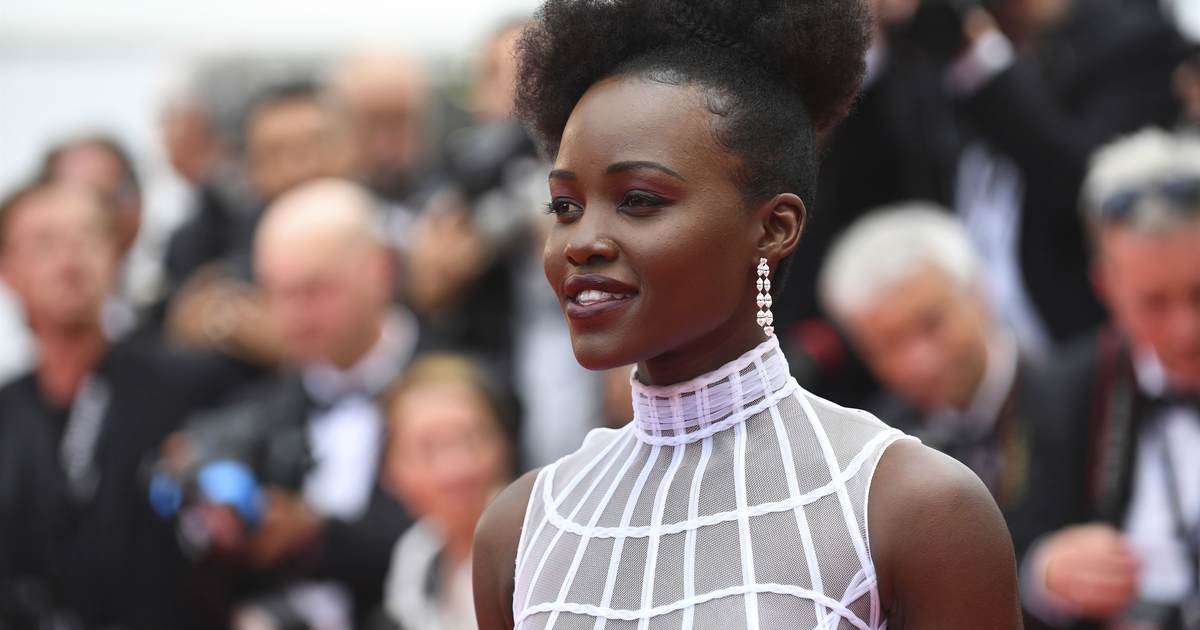
Lupita Nyong’o was cast as Helen of Troy, and her comments during promotion confirmed to some critics that the film will lean into that modern reading. Nyong’o was asked what she would say to Homer, and she decided to ask why he didn’t give more screen time to women.
“I’d be like, ‘So Homer, how do you feel about this screen time given to these women, considering how little you spent with them?’ Okay,” she said. That line landed like a mic drop to some viewers and like a provocation to others, and it’s the sort of remark that can harden opposition fast. Alienating part of your potential audience while trying to broaden another is a risky play.
Nyong’o’s résumé includes an MFA from Yale School of Drama, so critiques that she misunderstand the source feel odd to some observers. Critics point out that a deep academic background usually comes with familiarity with the text and its cast of characters. That makes the public framing of the role a strategic decision rather than an innocent misread.
It’s worth noting that The Odyssey actually features many women who shape Odysseus’s story, a fact that complicates the narrative that women were absent from the original. Those female figures show up in different roles—divine, mortal, hostile, and helpful—and they affect the plot in meaningful ways. Treating the epic as a completely male-driven work misses how those parts function in the bigger story.
Characters like Cassandra, the Sirens, Nausicaa, Andromache, Hecuba, Aphrodite, Hera, and Thetis all play roles that intersect with the main arc. They are not background scenery; they influence decisions, fates, and divine politics that matter to the narrative. Ignoring how these figures operate in the poem flattens a complex story into a single talking point.
Nyong’o has also pushed back on focusing on Helen’s famed beauty, framing the role as more than a face on a vase. She asked who the woman behind the beauty was and framed the label of “beauty” as a burden rather than an honor. That approach reframes Helen from a catalyst of war into a character with interiority and grievances, a deliberate narrative pivot for a filmmaker to choose.
“The most iconic character I played is Helen of Troy,” she said. “And she’s known for her beauty. But my big question is who was the woman behind the beauty? You know, because when that’s all you’re known for, that must be burdensome.” Critics in the audience pointed out the irony of complaining about being known for looks while working in an industry that often prizes appearance.
All of this raises the obvious box office question: will the controversy help or hurt ticket sales? Nolan still commands a loyal audience, and his name alone will draw interest, so a total flop looks unlikely on the surface. Still, controversy can mute mainstream curiosity, and a film that walks too loudly into cultural arguments risks narrowing its appeal.
Trailers and promotional clips have already picked up heat online, and social reactions show a split between fans who defend Nolan and viewers who see the whole thing as another cultural project rather than pure entertainment. Comparisons to high-profile stars who turned promotional rounds into political moments keep popping up, and for better or worse that context will shape how many people show up on opening weekend. The debate over adaptation, authenticity, and interpretation will be the story that follows The Odyssey long after credits roll.