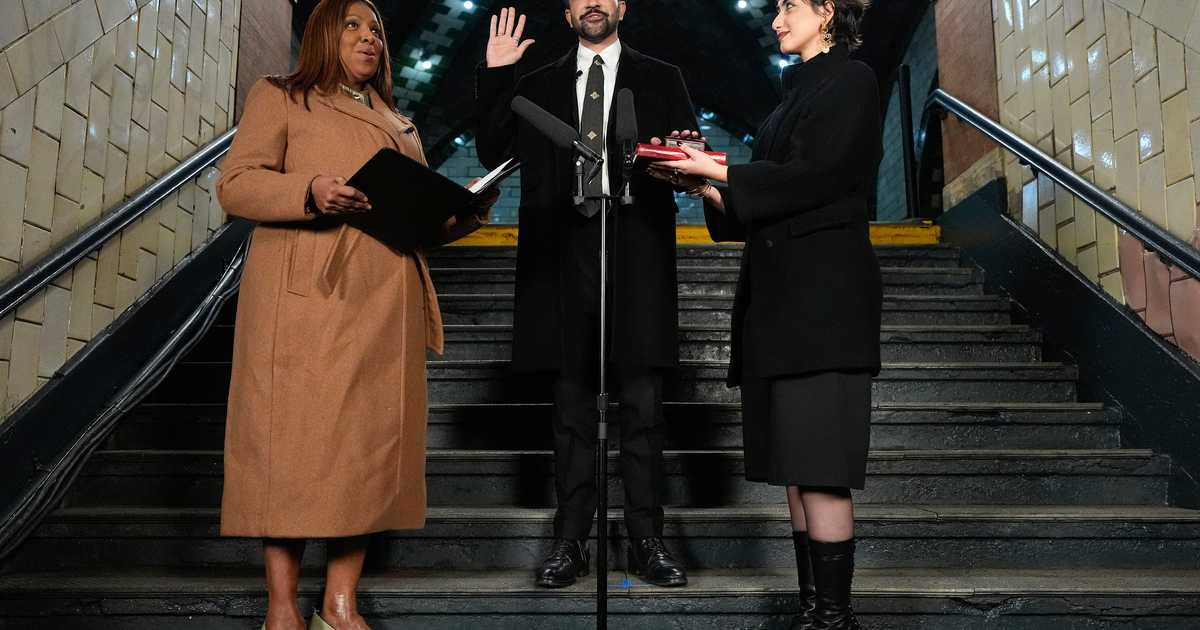
Rama Duwaji, the wife of New York City Mayor Zohran Mamdani, skipped the nation’s 250th birthday for a spiritual retreat in Spain, drawing sharp criticism given past statements and online conduct tied to Israel and the United States.
Rama Duwaji has a public record that many find troubling, including praise for the October 7, 2023 Hamas terror attacks in Israel and a history of antisemitic behavior both on and offline. Those actions and comments shape how people read her choices and travel plans, especially when tied to the mayor of America’s largest city. The reaction isn’t just about personal taste; it’s about what those choices signal when one partner holds public office.
Instead of marking America’s 250th anniversary at home, she traveled to Spain for an “Islamic spiritual wellness” retreat, a decision that drew attention and criticism from conservatives and others who expected a different kind of public posture. The timing made the trip a political flashpoint because public figures and their families are often judged by how they observe national milestones. For many, the choice raised questions about loyalty and priorities at a moment of national celebration.
NYC Mayor Zohran Mamdani’s wife Rama Duwaji ditched America’s 250th anniversary, jetting off this week for an Islamic “spiritual wellness” retreat on the Spanish resort island of Mallorca ahead of the patriotic celebration, The Post has learned.
https://x.com/nypost/status/2073535139687088560
The Dallas-raised, Dubai-educated, Syrian-American artist – who has a long history of bashing the US — was spotted at Newark International Airport on Monday, boarding an eight-hour flight to Palma, Mallorca’s capital city in the Western Mediterranean.
She was heading to a sold-out retreat run by The Women’s Sanctuary. The 29-year-old illustrator and ceramist is the for-profit’s “artist in residence” and among the gathering’s hosts.
That block of reporting gives specific details about the trip: the island, the organizer, her role, and travel logistics. Those facts matter because they establish what happened without spinning it into hearsay. For readers who already distrusted her views, the trip confirmed existing concerns; for others, it raised new ones.
Critics noted she didn’t celebrate the nation at home and instead chose a retreat far away, a move framed by some as a thumb in the eye to patriotic observers. Supporters might call it a private, restorative choice, but in politics private choices rarely stay private when they involve the family of an elected official. The optics are unavoidable and feed a narrative about values and allegiances.
New York City isn’t just any city; it’s home to the largest Jewish population outside of Israel, and the mayor represents their interests and safety. That reality intensifies scrutiny when a mayoral spouse has a public history of attacking the U.S. or Israel. Constituents expect a level of respect and solidarity from the people closest to their elected officials, especially amid rising antisemitic incidents.
Republicans and many independent voters argue that marrying someone who celebrates or excuses violence abroad suggests a deeper alignment of beliefs. The blunt line being made by critics is simple: “You do not marry someone who cheers the massacre of Jews unless you agree with them.” That statement is meant to cut through political hedging and focus on accountability.
Patriotic observance and public symbolism are not trivial in politics; they’re part of how leaders build trust. When a mayor’s family appears to reject a major national anniversary, it becomes a political issue rather than merely a personal choice. These debates expose the gap between private actions and public consequences for those in power.
Calls to hold public officials to a higher standard follow naturally from this kind of story, and for many conservatives the right response is clear and uncompromising. They see token gestures of remorse or detachment as insufficient when the underlying behavior is hostile to American values. Consequences, both political and electoral, are the usual remedy in a representative system.
There is also broader discomfort with mixing spiritual practices and political symbolism when it feels dismissive of civic duty. Some critics framed the retreat as new-agey and out of step with a religion-related lens that they view as less tolerant on women’s rights. That line of critique aims to highlight perceived hypocrisy in choices and public messaging.
The bottom line for many voters is simple: the mayor’s household matters. New Yorkers deserve leaders whose family lives reflect respect for the city’s diverse communities and its history. When actions by those close to an elected official raise questions about sympathy for violent actors or disregard for national milestones, it becomes fair political ground to demand answers and to judge accordingly.