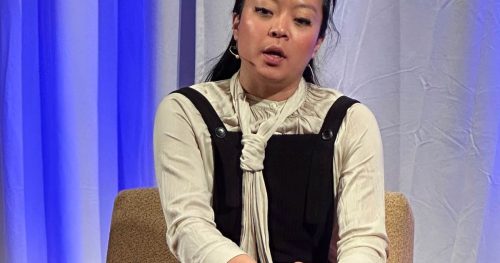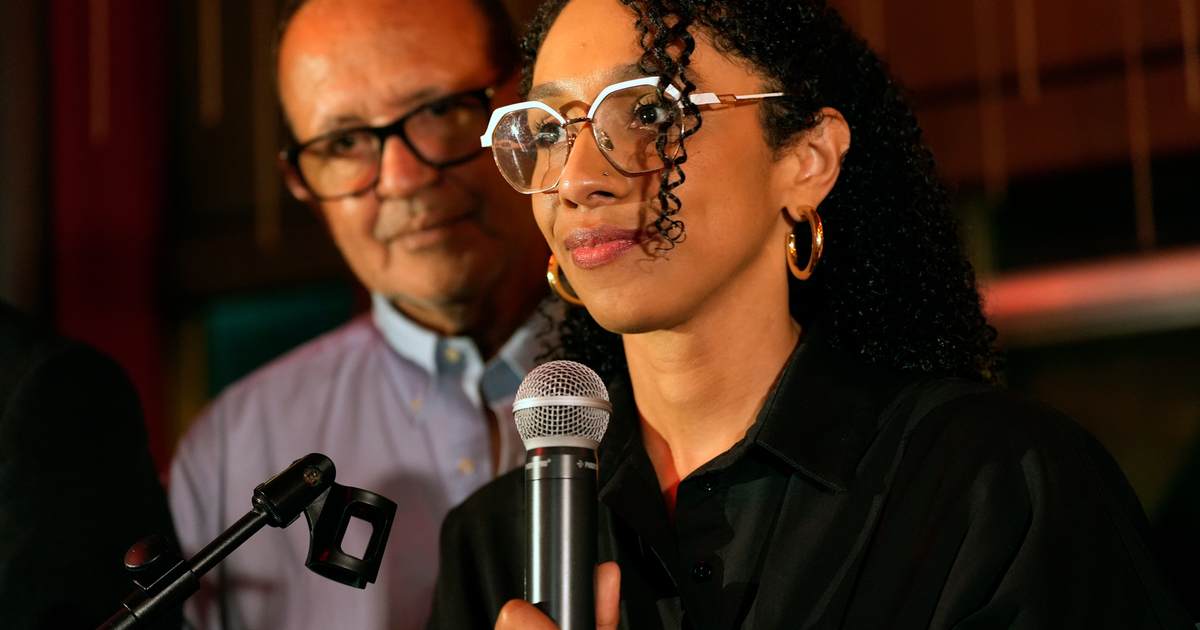
New York’s recent primary winners include a self-described democratic socialist who has drawn praise from David Duke, a former KKK grand wizard, for her comments on interracial relationships and cultural preservation.
Darializa Avila Chevalier, identified publicly as a democratic socialist, topped a Democratic primary in New York and looks set for a congressional seat after defeating an establishment Democrat. That victory has fast-tracked her into the national spotlight and brought scrutiny to her past social media posts and public positions. Critics from across the political spectrum are now weighing what her rise means for the Democratic coalition and for voters back home.
A now-deleted post from September 2019 shows Chevalier criticizing black and Arab men for “fetishizing colonizer women.” That language has been seized on by opponents who say it reveals troubling views on race and identity. Supporters argue her words reflect concerns about cultural survival, but the phrasing has stoked broad controversy.
David Duke, the former KKK Grand Wizard, publicly commented on her remarks, saying, “Well, I think that people have the right to preserve their particular heritage,” and added that “if she’s concerned about preserving her heritage if it’s Somali, or whatever she is, she’s certainly got the right to do that.” Those endorsements from a figure like Duke complicate the narrative for Democrats who backed Chevalier. For Republicans, the optics are stark: a radical leftist drawing praise from an avowed white supremacist exposes contradictions within the left’s messaging on identity and inclusion.
Inside Democratic circles, unease is growing. Journalists have reported that some party figures privately worry she could become a Democratic echo of figures like Duke, given the way identity rhetoric can be weaponized and polarized. That concern isn’t hypothetical for Republicans who see a pattern: extreme language on the left often breeds odd bedfellows on the fringes of the right, and the result is political chaos rather than clearer policy debates.
Duke also praised New York City Mayor Zohran Mamdani, noting the mayor’s stance against the Iran war and using accusatory language about Jewish influence over American foreign policy. “I think that the new mayor of New York was a step forward,” Duke said, and he added, “I do believe that there are bigger fish to fry, and I do believe that the immigration policies we talk about were orchestrated by the same elite that has given us these wars.” Duke went further with, “His views on Israel are critical, because there’s no more important political issue than the fact that a tiny minority of America … the oligarchs of the Jewish people, that they are controlling our foreign policy.”
https://x.com/MarkHalperin/status/2071627678331912446
Those comments land in a political moment when Democratic debate over Israel, Gaza, and U.S. foreign policy has become raw and public. Many socialist-leaning Democrats have criticized Israel’s campaign against Hamas, and some have adopted hostile rhetoric that risks crossing into antisemitic territory. For Republicans, those trends intensify concerns that the party of FDR is shifting into an identity-driven movement that sidelines mainstream support for allies.
On the economic front, the new wave of democratic socialists pushes classic left-wing positions: they want to “democratize” the means of production, openly talk about plans to “eat the rich,” and call for sweeping expansions of government programs. That language is no accident; it signals a policy agenda that aims to redistribute power and wealth through large-scale state action. Conservatives warn this agenda will squeeze the middle class and erode individual liberty under the guise of fairness.
Beyond policy, there’s a cultural shift at play. Some socialist candidates and commentators have signaled they intend to target pro-Israel Democrats, viewing support for Israel as disqualifying in primary fights. That posture creates fresh fractures inside the Democratic Party, pushes voters to pick sides on identity and foreign policy, and hands Republicans clear messaging opportunities about stability, support for allies, and the limits of radical rhetoric.
Comparing Chevalier and Duke, the difference is less about the idea of exclusion and more about how it’s dressed up. Chevalier frames her views as protecting heritage and community, presenting exclusion as empathy or cultural care. Duke offers no such mask; his racism is explicit and unapologetic, but the overlap in their rhetoric on identity reveals how dangerous those conversational threads can be when amplified by politics.
New York voters and national audiences are watching how party leaders react. If Democrats fail to confront extremist commentators on either side of the spectrum, they risk normalizing divisive language and alienating swing voters. For Republicans, the moment is an argument to stand firm on law and order, free markets, and an America-first foreign policy that doesn’t tolerate alliances with antisemitism or racial hostility.