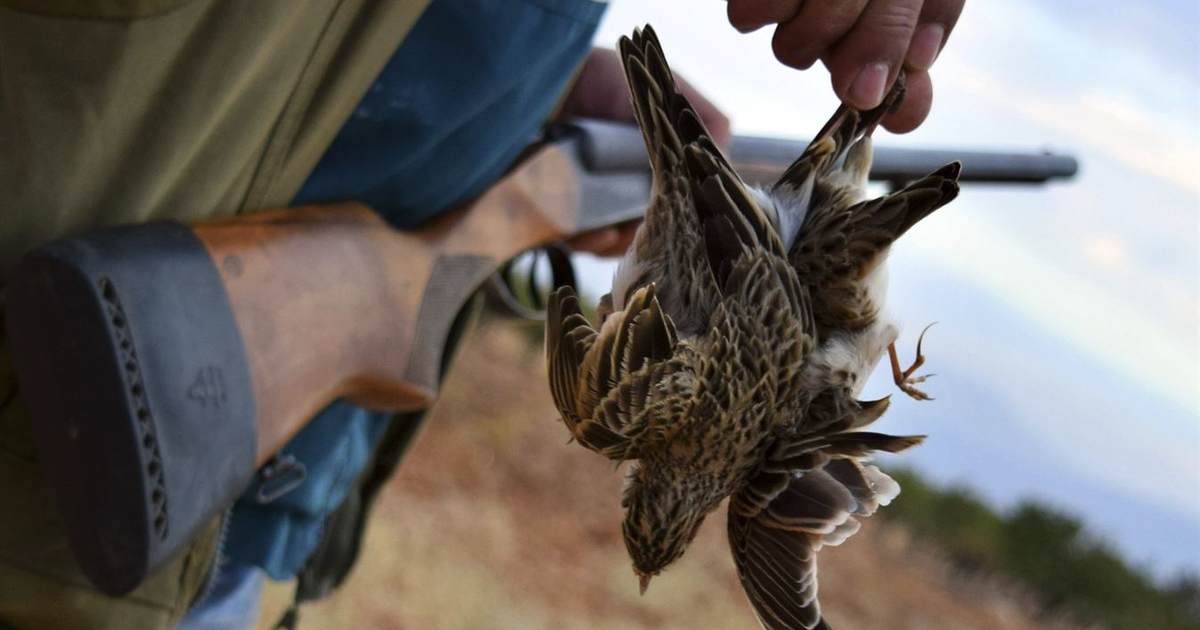
Oregon voters and election officials blocked a statewide ballot bid that sought to strip long-standing legal exemptions for hunting, fishing, trapping and many agricultural practices, a move that fizzled after signature counts were rechecked and opponents raised alarms about out-of-state funding.
An initiative known as Initiative Petition 28 carried a formal title that made its intent plain: the People for the Elimination of Animal Cruelty Exemptions Act. Backers pitched it as a broad rewrite of exemptions in animal welfare law, while opponents warned it would upend decades of wildlife management and everyday agricultural work across Oregon.
The petitioners originally submitted a large bundle of signatures, with totals topping 142,000 and comfortably beyond the reported threshold needed to qualify for a midterm ballot. State officials say the number required to get on the ballot stood at 117,173, and for a moment it looked like the measure had enough public support to force a statewide vote.
That outlook shifted after election authorities performed two rounds of verification and reduced the tally of qualified signatures to 104,262. The sudden drop prompted relief from local hunters, anglers and ranchers, and sharp commentary from the initiative’s opponents, who said the petition drive was bankrolled by “extreme progressive animal rights groups from outside the state.”
At its core, IP-28 would have eliminated exemptions that currently allow residents to hunt, fish, trap and conduct many animal husbandry practices without running afoul of newly framed cruelty statutes. Supporters said the changes were aimed at strengthening protections for animals, while critics warned the measure’s language was sweeping enough to criminalize routine rural life and complicate wildlife management handled by decades of state policy.
https://x.com/libsoftiktok/status/2060066993667985910
The fate of the initiative landed firmly in the political arena. Oregon Governor Tina Kotek, a progressive who narrowly won her 2022 race by under 3.5% against Republican Christine Drazan, publicly welcomed the outcome and framed it as a rejection of an extreme rewrite pushed by outside activists. Many observers suggested that had IP-28 reached the ballot, it would have become a flashpoint that might have driven conservative turnout and sharpened the governor’s re-election fight.
For conservatives and many rural Oregonians, the episode underscored how policy fights are increasingly organized and financed beyond state lines. Local leaders and outdoor communities argued the initiative showed a disconnect between coastal activism and rural realities, and they credited careful signature scrutiny and community engagement with stopping an all-or-nothing proposal that many believed lacked real grassroots backing.
The mechanics of signature verification became a political story in themselves, with opponents pointing to technical disqualifications and challenges to the validity of submitted names. Supporters of the petition disputed some critiques, insisting their campaign collected tens of thousands of legitimate signatures and that voters deserved a chance to weigh in on changing statutes they see as outdated.
Looking ahead, the issue is likely to reappear in Oregon politics as part of the fall campaign terrain. Kotek faces Drazan again in November, and the controversy over hunting, fishing and agricultural exemptions gives both sides fresh talking points: conservatives can rally around protecting traditional uses of land and wildlife, while progressives can press for tighter animal welfare rules without necessarily endorsing door-to-door signature tactics that ran into trouble.