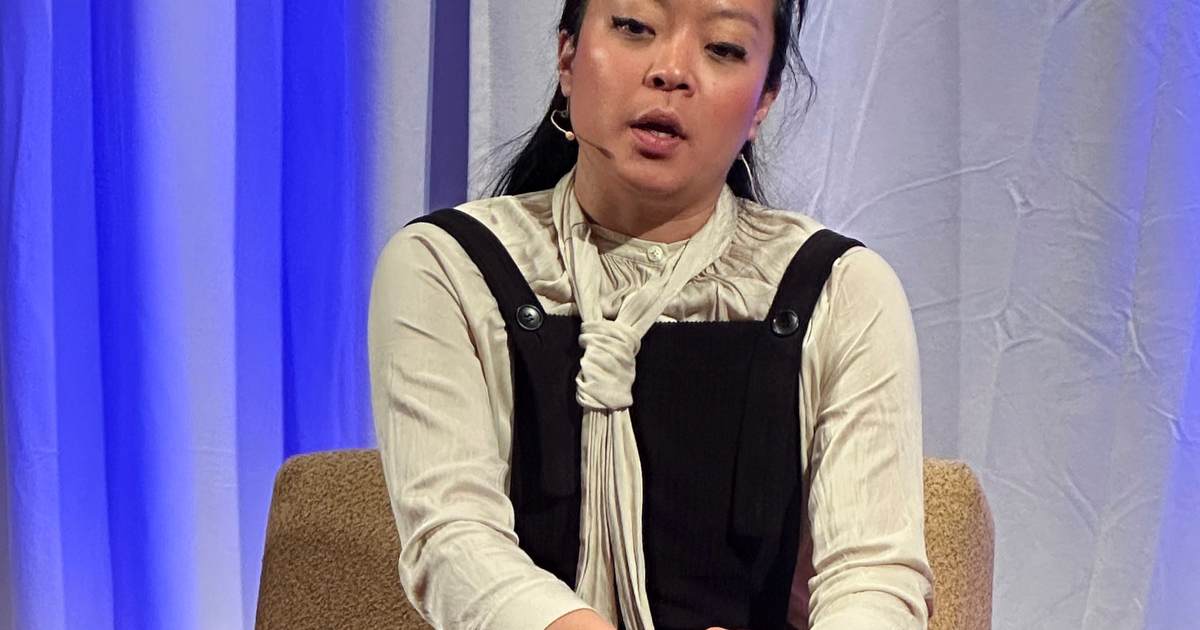
Francesca Hong has publicly proposed winding down Milwaukee’s long-standing voucher program, a move that would push roughly 30,000 students back into Milwaukee Public Schools where only 9 percent of fourth graders and 15 percent of eighth graders test proficient in reading; the announcement has set off warnings about political fallout and community backlash from parents and faith groups who rely on school choice.
Milwaukee Public Schools are struggling by any measure, with reading proficiency numbers that are shockingly low for fourth and eighth graders. Those failures fall heaviest on students who are largely Black and Hispanic, and for many parents the voucher program has been the only practical route out of chronically underperforming schools. The voucher system gives families access to private and charter options that they otherwise could not afford and has been a lifeline for parents seeking better outcomes.
If Francesca Hong follows through on the plan she discussed, the program would be phased out and families would lose that escape hatch. Ending vouchers would mean an estimated 30,000 students would be required to return to the district system they and their parents have been trying to leave. That prospect has national groups and local leaders talking about political consequences and community anger.
“We have built this system where it’s deeply inequitable, and I think that it’s important that we put in the responsibility of working with our partners to end the program in Milwaukee,” Hong said.
https://x.com/EBrooksUncut/status/2082268279679205492
“Eventually a full end in the city of Milwaukee?” the moderator asked.
“I believe that that is what bringing a responsible end to the voucher program is,” Hong replied.
Mainstream outlets and local fact-checkers have not pressed the wider implications of removing school choice for disadvantaged families. The central question is simple: how is it equitable to strip a poor Black family of a private-school option that gave their child a pathway out of failing neighborhood schools? Eliminating the program looks like policy talk that will have immediate, concrete effects on access and on outcomes.
Faith communities and Muslim families who use vouchers to place children in schools aligned with their values will not receive this quietly. Removing choice in education interferes with religious liberty and the ability of parents to find a school that fits a child’s moral and cultural needs. That collision between policy and conscience is already producing strong reactions around the city.
The backlash in the Black community will be huge. Parents who have successfully used vouchers to secure safer classrooms and higher-performing schools are unlikely to accept a top-down decision that limits their options. That frustration cuts deeply because the choice program is not an abstract policy; it is a practical tool that has delivered real results for families.
What the Democratic Socialists of America and like-minded activists want is a very different system of public education than many parents want for their children. In places where similar pressure has built, critics argue that public schools have been used to push an ideological agenda rather than focusing on fundamentals like reading and math. That debate matters when policy choices remove alternatives instead of fixing the core problems inside district classrooms.
Some commentators have framed this as an attempt to centralize schooling and standardize curricula at the expense of parental control. Parents who chose religious or private schools through vouchers did so because they wanted a different set of priorities for their children. For those families, taking away the voucher program is not neutral policy—it is a direct attack on their ability to choose.
Personal stories matter here: school choice has changed lives in Milwaukee, including students who moved from dangerous or underperforming district schools into environments that supported academic growth. Those individual gains add up to weeks of instruction, safer schools, and sometimes the difference between graduating or not. Disrupting those gains would be a sharp reversal for families who made hard choices to put their children first.
Politically, this fight is a clear line in the sand between elected officials who prioritize expanding options for parents and those who aim to reassert centralized control over schooling. For Republicans and parents who back choice, the stakes are straightforward: keep options open and hold failing institutions accountable. For Democrats pushing the opposite path, the consequences could be steep at the ballot box.