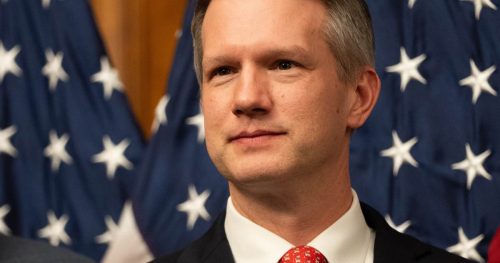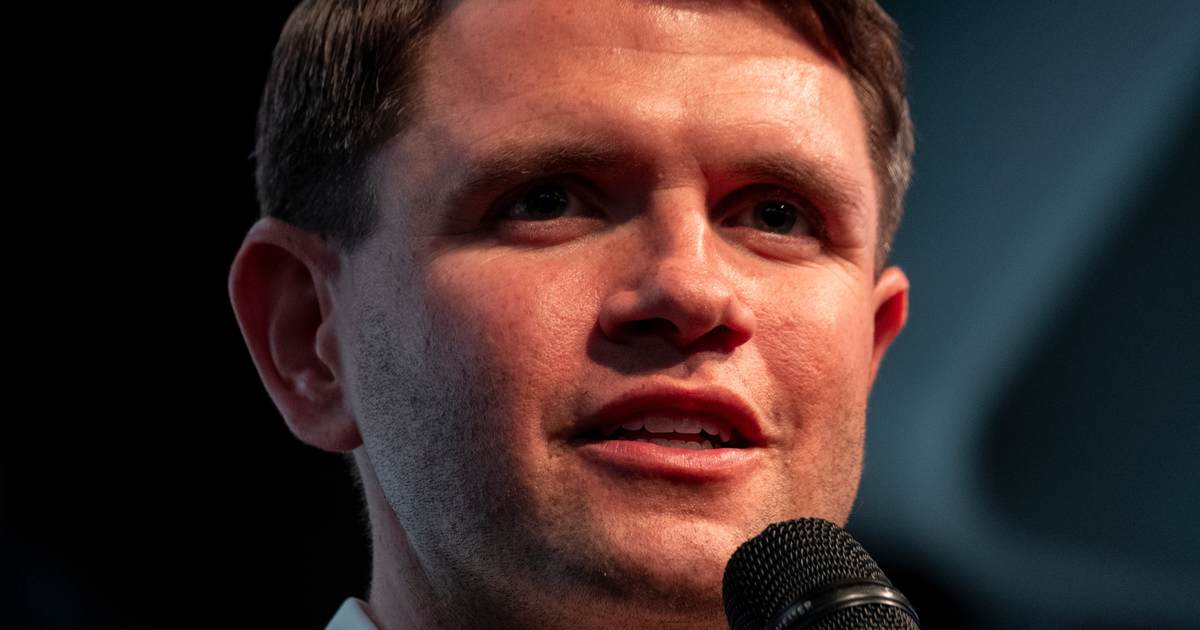
James Talarico, a Democratic nominee for the U.S. Senate in Texas, has publicly credited Islamic authors and mystics as shaping his Christian faith, and his past statements about religion and identity have drawn sharp criticism from conservatives.
James Talarico, the radical Democrat nominee for the U.S. Senate race in Texas, has said Islamic teachings influenced how he understands Christianity. That admission has unsettled many voters who expect a clear grounding in traditional Christian doctrine from someone who identifies as a Christian running in a deeply religious state.
“I’ve learned as much about my faith from Salman’s tradition, from the Islamic mystics, from poets like Rumi, as much as I have from Christian authors,” Talarico said in the unearthed video. For Republicans watching the race, the line reads as more than intellectual curiosity; it looks like a reshaping of religious identity that conflicts with the historical Protestant and Catholic roots common in Texas communities.
https://x.com/RNCResearch/status/2081742627590865182
Talarico has repeatedly made statements that many view as heretical or at odds with mainstream Christianity, including the claim that he “always thinks of [himself] as a Christian who hates Christianity.” He has also suggested that religions can be treated as interchangeable, calling them “equal pathways to truth,” a position conservatives argue collapses objective moral standards into relativism. Those comments fuel concerns among voters who want candidates that defend, not dilute, the religious convictions that guide public life.
Beyond theological differences, Talarico has asserted positions on identity and doctrine that further worry religious conservatives, including statements implying God is non-binary. He has even tried to lean on the Annunciation of the Lord in a way some interpret as a justification for abortion, an argument that strikes many voters as both theologically risky and politically tone-deaf in a state where pro-life sentiment remains strong.
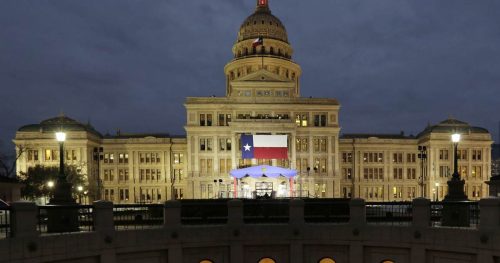
Those comments have not gone unanswered. Texas Republicans have pushed back, framing their response as a defense of both faith and public safety. State leaders like Attorney General Ken Paxton and Governor Greg Abbott have launched efforts against certain Islamic groups, arguing those organizations pose security concerns and demanding scrutiny of any ties to extremist activity, a stance they describe as necessary for protecting Texans.
For conservatives, this controversy is not merely about interfaith appreciation or academic interest. It is about whether a candidate will stand for a consistent vision of faith in public life, uphold traditional moral teachings, and resist ideologies that blur the lines between distinct religious claims. Voters who prize religious clarity see Talarico’s remarks as evidence he may govern from a place of theological ambiguity rather than conviction.
Campaigns in tight contests like the Texas Senate race hinge on trust and identity as much as policy. When a candidate openly credits rival religious traditions as equals to their own, it becomes a test for whether they will defend the cultural and religious values that many constituents hold dear. Conservatives argue that electoral choices should reflect fidelity to the beliefs that shape a community’s law and civic norms.
At the same time, the debate highlights a broader question about pluralism and public life: how to respect interfaith engagement while maintaining a coherent moral framework for governance. Republicans in Texas are betting that voters will prefer leaders who affirm the state’s religious heritage and who treat radical or relativistic claims about faith with skepticism. As the campaign moves forward, this issue will likely stay front and center for conservative activists and faith voters alike.