Fauci’s private notes and the reaction they sparked have once again put questions about his judgment, media ties, and public health decisions in the spotlight, and a former FDA official’s uneasy interview added fuel to the fire.
Amy shared a story yesterday that pushed this issue back into the headlines: Anthony Fauci behaved like a diva, with an ego that many see as out of control, and now parts of his private writings have been released. Those diary pages, long rumored to exist, appear to back up concerns about how he influenced COVID policy and how close he was with sympathetic reporters. For critics, the diaries read like a missing piece that validates years of suspicion.
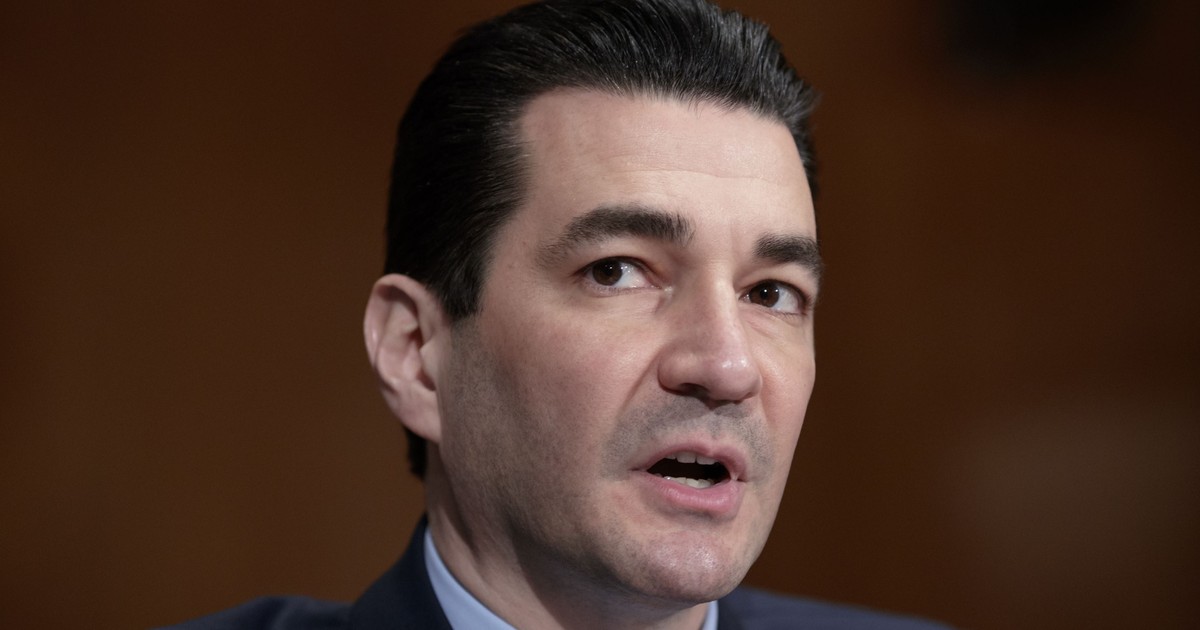
Senator Rand Paul is the one who made portions of those entries public, and their release dominated the news cycle. The documents prompted a tense TV moment when Scott Gottlieb, a former FDA commissioner, visibly shifted under tough questioning on CNBC. Host Joe Kernen pressed Gottlieb about how Fauci’s private conduct matched the public image, and the exchange exposed real unease among some insiders.
https://x.com/CBSEveningNews/status/2081885567034229234
KERNEN: “Does having a reputation totally in the toilet at 85 years…does that hold him to account for what he was responsible for?”
GOTTLIEB: “The Tony Fauci I saw in those emails is not the Tony Fauci I knew over the years. I mean, he was a guy who was sober, who was careful about his public appearances and his statements. Was always very careful, always very thoughtful.”
KERNEN: “Did you figure out the obsession with mainstream media in defending him?”
“And, you know, Jake Tapper having, you know, multiple dinners and best friends? And what did that come from? And I know people around here that would call Tony Fauci a ‘hero.’”
GOTTLIEB: “Yeah, I can’t dissect how people perceived…”
KERNEN: “You don’t know why?”
“The whole vaccine, mask, shutdown…the whole liberal…”
GOTTLIEB: “It was a difficult time, Joe, as you…as you know very well. And I think people were looking for a voice that they can cling to. Maybe they picked the wrong voice.”
KERNEN: “I am science, that’s why people don’t like me…I mean, that was…”
“You’re very guarded and nice.”
GOTTLIEB: “I was disappointed by the emails, I have to admit.”
KERNEN: “Well, we’ll see what happens on Wednesday. Rand Paul’s been right all along!”
GOTTLIEB: “He’s held the…I suspect that Senator Paul held on to these emails and had them for a while, and dropped them now ahead of this hearing.”
“And, you know, Tony’s going to have to speak to what’s in those private communications.”
KERNEN: “Thanks for addressing all that…”
We’ll be watching what unfolds at the upcoming hearing, though it’s reasonable to expect Fauci will minimize or dodge the toughest questions. His defenders have long been able to steer the narrative, but released private notes make it harder to keep claims and reality aligned. This moment is testing whether institutions meant to hold power to account will do their job.
The allegations in the documents are stark: claims that Fauci pressured colleagues to discredit the lab leak theory, favored public messaging that sometimes contradicted the available evidence, and leaned on scientific peers to back certain lines. Critics point to a pattern where political optics and media-friendly soundbites seemed to shape responses more than transparent, evidence-first debate. Those are explosive charges for anyone who oversaw pandemic guidance.
Beyond the specific entries, the bigger concern for many conservatives is the culture that let that behavior flourish: a network of sympathetic journalists, allies in public health, and agencies that rarely faced real scrutiny. When a former FDA chief squirmed under questions, it showed how fragile reputations and narratives can be once the curtain is pulled back. That discomfort is exactly why oversight matters.
Gottlieb’s reaction on live TV underscored a second point: insiders often know more than they say in public, and when private communications surface they can sound very different from prepared statements. For voters who felt misled during lockdowns and mask mandates, those discrepancies matter. Accountability isn’t just personal; it affects how citizens evaluate public guidance during future crises.
The hearings will be a test of whether political appointees and long-serving officials are willing to answer plainly about decisions that cost livelihoods, closed churches, and reshaped daily life. Republicans will push for clear answers on funding choices, the handling of lab-leak hypotheses, and the role media relationships played in amplifying certain messages. Those lines of inquiry won’t be comfortable for anyone implicated.
Most of all, this episode is about restoring trust. Citizens deserve policies based on solid science and clear ethics, not PR and protective networks. The diary release, the uneasy interview, and the coming public scrutiny are part of a long overdue conversation about transparency and consequences in public health leadership.