Released diary pages and viral replies have reopened questions about Anthony Fauci’s decisions, temperament, and the lab work he defended, turning public nostalgia for a steady expert into a demand for answers and accountability.
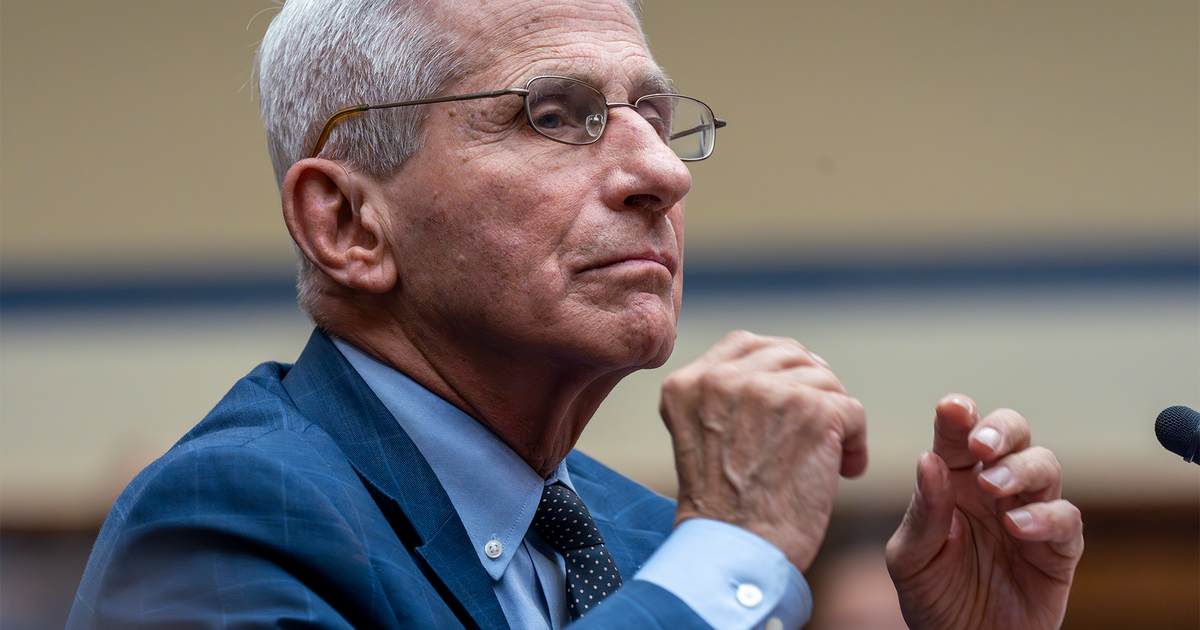
Dr. Anthony Fauci was seen as God’s voice on COVID, the steady expert who could calm a panic. That reputation carried weight and shielded many decisions from quick second-guessing. Once his diaries were made public, that protective veneer cracked and the public started replaying old choices with fresh skepticism.
The diaries, released by Sen. Rand Paul, pull back the curtain on a personality that comes across as at times defensive and self-important. Readers and critics say the entries read less like humble public service and more like a running scorecard of ego and influence. That perception matters because leadership in a public health crisis relies as much on trust as on expertise.
Among the most damning impressions in the entries are lines that suggest risky tolerance for experiments on bat-related coronaviruses. He also said that messing around with bat viruses was worth it, even if it meant risking another pandemic. For many conservatives and independent observers, that sentence confirms long-standing concerns about risky research and the lack of full transparency.
https://x.com/KatiePavlich/status/2082105710087671956
Online reactions have been fierce and unforgiving, driven partly by the sense that Fauci’s public posture never matched the private calculus revealed in the pages. People who once deferred to his authority now read the diaries and see contradictions and hubris. That shift in tone is exactly what fuels calls for stricter oversight of federal health labs and clearer rules about high-risk research.
This post by Dustin Grage is brutal, and the replies were even worse.
Republican critics argue the diaries aren’t just embarrassing; they are evidence of a system that rewarded secrecy and punished dissenting voices. Senators and watchdogs are pointing to specific entries as proof that powerful public health officials made judgment calls without adequate external review. That line of criticism ties into a broader argument about restoring accountability to agencies that wield huge influence over citizens’ lives.
There is also a political angle that cannot be ignored: after four years and a change in the White House, buried records are surfacing and public opinion is rebalancing. The consequences are both symbolic and concrete, from renewed calls for investigations to legislative proposals aimed at tightening oversight. For many on the right, the diary release is vindication that important questions were sidelined in real time.
Beyond policy and politics, the personal tone of some entries has provoked anger. Friends, foes, and neutral observers alike have pointed to passages that read as dismissive of critics and defensive about decisions that cost the public dearly in trust. Those emotions feed a simple demand: clearer accountability and a rethinking of who gets to call the shots when science and liberty collide.
There are practical next steps under discussion, including subpoenas, hearings, and reforms to how federal research is monitored and approved. Conservatives pushing for change want to ensure taxpayer-funded work meets higher transparency standards and that no single personality can dominate crucial public health choices. The argument is straightforward: accountability prevents mistakes from repeating and rebuilds confidence in institutions.
For those who lost loved ones, suffered economic hardship, or were forced into unwanted restrictions, this is not an abstract fight about prestige and legacy. It is about consequences and responsibility. “Arrest this man.”