Scott Jennings’ two-minute CNN takedown of Democrats over Graham Platner, reproduced with his exact remarks and the looming July 13 deadline in Maine.
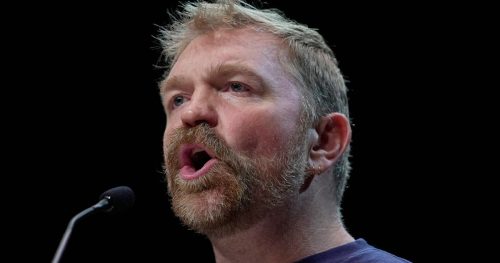
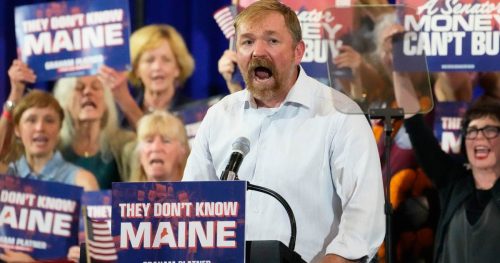
Scott Jennings appeared on CNN and cut through the noise around Graham Platner’s failed Maine Senate bid with a blunt, pointed critique. He challenged the idea that Democrats were blindsided by Platner’s history, arguing instead that the party knew what it was getting into. That exchange has put the Democratic narrative on the defensive and raised questions about consistency and accountability.
The core of Jennings’ point was simple: this was not a surprise to people who supported Platner, and the charges of a lack of vetting don’t square with what actually happened. He framed the debate as one of political convenience, noting how certain actors rationalized or overlooked troubling behavior when it suited them. That framing forced the conversation away from process and toward motive.
https://x.com/overton_news/status/2074301449954021827
JENNINGS: “The only thing I disagree with is when she said that he hadn’t been vetted.”
“No, he had been vetted!”
“All of the things that have been stated, it was all out in the public and people like Ro Khanna, Bernie Sanders, Elizabeth Warren, Tim Walz, the Bulwark, Pod Save America, all these people came together to overlook it all, to explain it all, to rationalize it all.”
“He was vetted. People knew all these things and a whole bunch of Democrats in Maine showed up and voted for him anyway. And a bunch of donors from around the country sent him money anyway.”
“I agree with Alyssa’s question. What changed? Why are you bailing on Graham Platner now?!”
“You already signed off on Nazi tattoo, a self-described communist, somebody who’s had rape fantasies, somebody who has been on a social media platform known as a playground for predators.”
“And on and on and on and on and on.”
“And the difference between this accuser and the previous one is simply this, she’s a liberal. It’s okay, I guess, for Democrats that their candidate’s assault conservatives.”
“But he broke into someone’s house. And apparently, according to her, raped her. And because her politics are correct, they can now believe it.”
“All of this whole thing is disgusting. But to say that they hadn’t vetted him, or that they didn’t know about all this is totally false.”
“They knew it and they signed up for it, and I don’t know why they’re backing away from this scumbag today when they had already signed off on all that other crazy behavior.”
Jennings’ delivery landed because he tied a factual claim to a larger pattern: elites and national actors publicly rationalized Platner’s behavior, then pivoted when political winds shifted. That sequence sounds like a playbook for selective outrage, and it undercuts the credibility of those who now call for accountability. The rhetorical force comes from pointing out who was complicit and when.
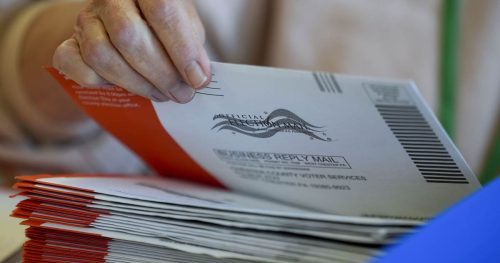
From a practical standpoint, the story moves beyond cable TV drama to concrete consequences on the ballot. Democrats and election officials in Maine face a deadline: they have until July 13 to address Platner’s status and potentially remove him from the ballot. That ticking clock turns this into something more than talk; it becomes a test of whether political rhetoric actually leads to action.
Republican viewers and conservative commentators see that timeline as a moment of accountability for the other side. If the party that signed off on the candidate suddenly claims ignorance, it raises a simple question about standards: were those standards ever real, or were they conveniences used to win? That is the core of Jennings’ critique and why it resonated on screen.
Beyond the immediate Maine fight, the episode has implications for trust in the political class. When national figures and influential outlets normalize behavior and donors keep writing checks, it sends a message about who gets forgiven and who does not. Jennings framed that hypocrisy sharply, and that framing matters to voters watching how parties police their own.
There is also a cultural angle here: the debate touches on whether allegations are judged on their merits or on the political identity of the accused and accuser. Jennings highlighted that dynamic directly, saying the difference in response hinged on politics rather than principle. That line of argument pushes the conversation into moral territory where consistency matters more than spins.
What remains clear is that this is no longer merely a talking point on cable; it is a live political problem with deadlines and real consequences. The pressure on party officials and election regulators will intensify as July 13 approaches. For now, Jennings’ clip stands as a concise, uncompromising rebuke of a narrative that many on the right see as opportunistic and insincere.