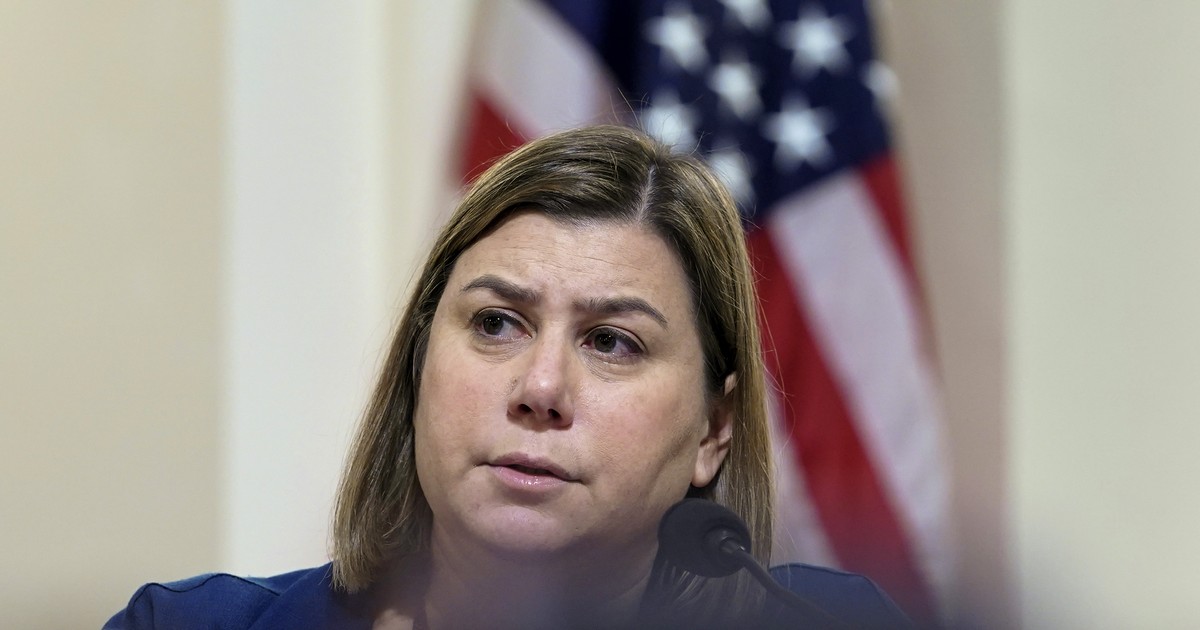
Elissa Slotkin repeated a claim that married women secretly tell their husbands they are “going off to book club” so they can volunteer for Democratic campaigns, a statement that exposes a dismissive view of married voters and drew sharp criticism from opponents.
Democratic rhetoric sometimes treats voters, especially women, as if they need to be managed or underestimated, and Slotkin’s anecdote plays right into that tone. Claiming that married women lie to their husbands to volunteer suggests Democrats see those voters as uninformed or easily led rather than as independent citizens.
“The place that I ran the first time was a Republican-drawn district that feels a lot like kind of running in Indiana,” Slotkin said. “We know of two, not one, but two fake book clubs. Women who literally told their husbands ‘Husband, I’m going off to book club’ and they would come and volunteer at our campaign office.”
That quote is striking because it reduces married women’s civic choices to secretive, almost theatrical behavior. From a conservative perspective it implies a contempt for family dynamics and a belief that women require deception to support Democrats.
https://x.com/RNCResearch/status/2076833815989739730
Beyond the anecdote, the broader claim feeds a narrative that Democrats assume married voters are either too intimidated or too naive to make their own political choices publicly. That attitude is politically tone-deaf and strategically dangerous for a party that needs to win over real families in real communities.
Most marriages involve real conversations about values and long-term priorities, not scripted excuses to sneak off to events. When elected officials suggest otherwise, they reveal more about their campaign assumptions than about actual voters.
There is a pattern here: when a party treats voters as ciphers rather than citizens, trust erodes quickly. Voters notice when they are being spoken about instead of spoken to, and that kind of condescension makes it harder to earn their support.
Conservatives point out that many married women trend more conservative on issues tied to family, economic stability, and community safety, which makes Slotkin’s portrayal feel out of touch. Suggesting that such voters need subterfuge to participate dismisses legitimate reasons people choose one party over another.
Political commentators on the right have seized on Slotkin’s words because they underline a belief that Democrats sometimes view constituencies instrumentally. That is, groups are valuable only insofar as they serve a narrative or electoral math, not as autonomous voters with clear priorities.
When party leaders publicly characterize their supporters or opponents in demeaning ways, it becomes a self-fulfilling problem: voters pushed aside will look elsewhere. That dynamic helps explain why bipartisan distrust is high and why ground campaigns that respect voters tend to do better.
Republicans emphasize respect for voters and family decision-making, arguing that campaigns should try to persuade rather than condescend. Calling attention to comments like Slotkin’s is part of holding the other side accountable for the way they talk about real people.
Beyond the politics, there is a common-sense point here: adults in a democracy deserve to be treated with dignity. Mocking or minimizing the political agency of married women is not only offensive, it is a poor campaign strategy that underestimates the electorate.
Critics will keep pointing to examples where political operatives appear to stereotype voters, because those examples reveal the assumptions shaping modern campaigns. The public response matters more than the anecdote, and politicians should pay attention to how their words land.
Editor’s Note: The Democrat Party has never been less popular as voters reject its globalist agenda.