Texas Democrats keep convincing themselves a win is imminent, even after a long run of statewide losses, and this piece looks at why that cycle keeps repeating.
Texas Democrats are once again reacting like a team that found a warm locker room and thinks it guarantees a championship. A poll showing them inching closer to the governor’s race has set off the same burst of excitement we see every cycle. From a Republican perspective, it’s a familiar pattern: hope outpaces reality.
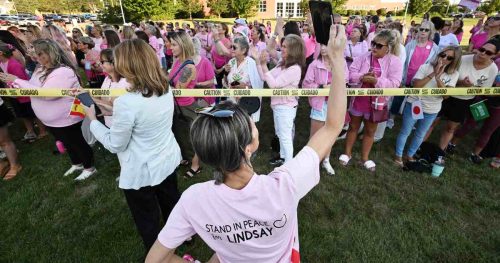
Gina Hinojosa has suddenly been cast as the candidate who will break the streak, and some pundits even pair her with James Talarico to call their bids “a perfect storm.” That framing ignores that political fame and momentum don’t automatically translate to statewide wins in Texas. The fact that Xochitl is Gina’s sister gets tossed around like it explains political gravity, but family ties don’t flip the electorate.
https://x.com/GinaHinojosaTX/status/2082119534874386704
Think back to 2022, when Beto declared he was “pretty much tied” with Governor Greg Abbott during their race. Beto carried name recognition from prior Senate and presidential bids, yet that didn’t change who holds the governor’s office. That memory should temper any sudden optimism when a friendly poll appears.
Democrats have been selling the “Purple Texas” narrative for decades, promising an elusive shift that never fully arrives. They keep fielding statewide candidates who run energetic campaigns but fall short on the final vote totals. The reality is simple: winning statewide in Texas requires broad appeal and durable infrastructure, not just hopeful messaging and flashy ads.
Consultants and fundraisers love to package hope as a product they can sell to donors. Every election cycle, millions are poured into campaigns chasing the dream of a breakthrough. Those dollars line campaign consultants’ pockets and give donors a story to tell, even when the result doesn’t change a single statewide officeholder.
That dynamic creates a feedback loop where loss becomes normalized and yet perpetually justified by “next time” rhetoric. Candidates with modest profiles are uplifted into headline roles because someone believes they fit a narrative, not because they’ve demonstrated the ability to win a statewide race. The party keeps chasing that narrative despite the scoreboard.
On the ground, Texas voters respond to issues and competence more than hype. Rural and suburban voters who swung away from Democrats in prior cycles haven’t all come back, and urban turnout alone doesn’t toggle a statewide result. The math that matters in Austin and in small towns across the state is stubborn and often underappreciated by national observers.
There’s also a cultural element: many longtime Democratic donors and operatives treat each cycle like a fresh roll of the dice. That approach fuels persistent investment, even when historical patterns suggest caution. As Norm Macdonald said, “As long as the red dice are in the air, the gambler has hope. And hope is a wonderful thing to be addicted to.”
That quote nails the psychology at work. Hope is powerful and it keeps activists and donors engaged, but it doesn’t convert into votes by itself. Betting on a single candidate to reshape a statewide political landscape seldom works without an accompanying strategy that expands appeal across diverse voter blocs.
Some Democrats will argue that demographics are shifting and the next cycle must be different, and they point to polls to prove it. Polls are snapshots, not destiny. They can be helpful for strategy, but they are also noise generators—especially when used to stoke headlines instead of guiding targeted organizing and turnout plans.
If a Democrat were to win statewide in Texas, it would be a remarkable achievement and not merely the product of favorable media narratives. It would require years of groundwork, consistent messaging that resonates beyond progressive strongholds, and a candidate who connects with swing voters on practical issues. Short-term enthusiasm won’t replace that work.
Republican observers see a repeat pattern: hopeful narratives, big fundraising pitches, and then another cycle that ends with the same officials in place. That isn’t gloating so much as a lesson in political reality—momentum needs to be real and sustained, not cyclical theater.
For now, the sensible view is cautious: watch the data, but don’t confuse headlines for outcomes. Texas politics moves slowly in some ways, and the next statewide upset will come from structural gains and a candidate who actually persuades the broader electorate. Until then, expect the same hopeful rituals to play out, and the same results to follow.