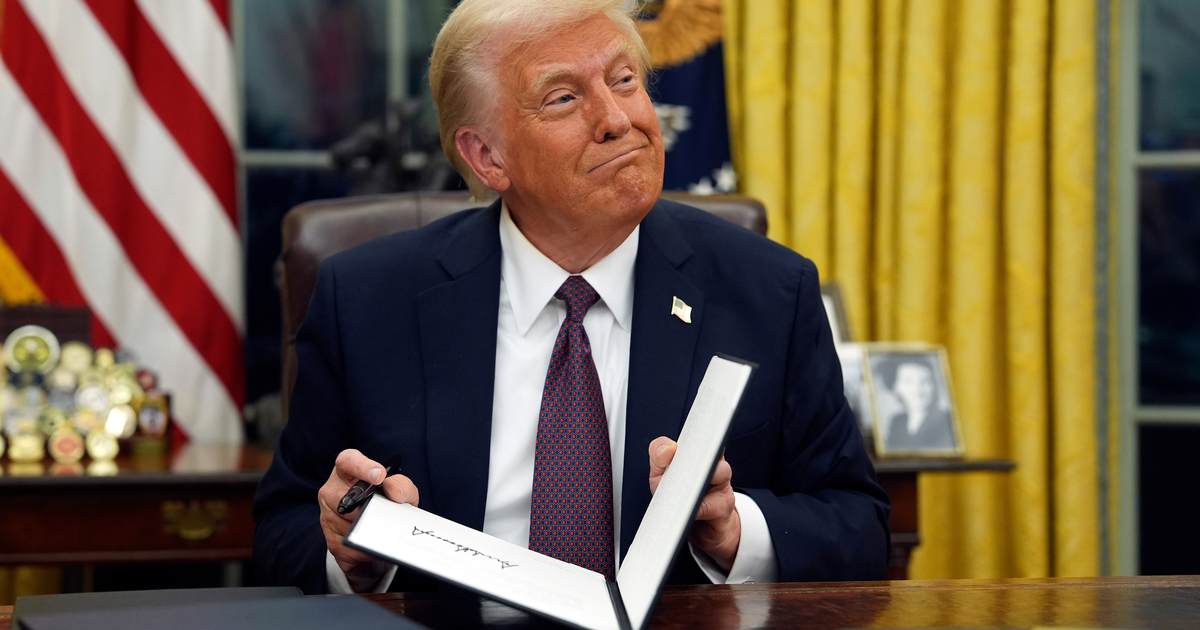
President Trump’s primetime address unveiled declassified documents alleging large-scale foreign meddling in the 2020 election, claims of a Deep State cover-up, and warnings about vulnerable voting systems and noncitizen enrollment in voter rolls.
The speech arrived with heavy anticipation and a mystery label: the president hinted at the “really big news” days before going on air. Sen. Bernie Moreno (R-OH), who reviewed a copy, called it the most important address since the Cuban Missile Crisis. The tone was firm and unapologetic, laying out a case that officials and agencies had kept critical intelligence from the public and from the White House.
Trump opened by saying the country is “safer, stronger, and wealthier than ever before” and contrasted current momentum with the chaos of prior years. He touched on economic gains, record employment, and the recent drop in inflation while also naming cultural flashpoints like men in women’s sports. The speech framed national confidence as the baseline for security and electoral legitimacy.
He moved quickly from domestic policy bragging points to national security and election integrity, promising the nation would soon see the “fruits of that labor” in Iran. The president then turned to the central claim: a wide-ranging declassification of documents meant to expose how vulnerable our election systems have been. Top White House aides and intelligence agency chiefs, he said, have reviewed and authenticated the material.
https://x.com/Polymarket/status/2077896221650235675?ref_src=twsrc%5Etfw
The documents presented a grim picture: starting in 2020, Beijing allegedly executed the largest compromise of U.S. election data on record. The report claims some 220 million American voters’ files were accessed by Chinese intelligence services and that China created a data exploitation unit for the operation. According to the release, the breach touched voter files in 18 states and was kept from the public eye, from Congress, and from then-President Trump.
Included in the declassified reporting was an assertion that elements inside the intelligence community downplayed or suppressed the full scope of China’s activities. The account paints a pattern of officials minimizing threats and shielding sensitive material from both lawmakers and the media. That alleged behavior is central to the administration’s argument that oversight failed when it mattered most.
The declassification also revives older intelligence assessments about the Chinese Communist Party’s playbook. CIA reporting from mid-2018 and 2019, the documents say, flagged efforts to exploit reporters and domestic critics to undermine confidence in American institutions during the first Trump term. The narrative links those tactics to a broader attempt to shape narratives and weaken political opponents.
More explosively, FBI raw intelligence is cited stating China’s activities included efforts to produce illegal ballots for Joe Biden, and that analysts intentionally downplayed these threats. The files allege a shadow operation in which intelligence was kept from the White House and the public, and they point to numerous “burn bags” used to conceal sensitive exchanges. Those are serious claims that, if true, demand scrutiny.
The broader takeaway from the materials is blunt: Americans were told the 2020 election was secure while significant vulnerabilities persisted. Voting machines and ballot-counting infrastructure, the documents suggest, remain highly susceptible to attack by state and non-state actors, including Russia, China, Iran, and North Korea. That vulnerability, the administration argues, undermines trust in outcomes and calls for urgent fixes.
The filings also recount a Michigan law enforcement raid on a Democratic get-out-the-vote group where investigators flagged fraudulent registration practices. Canvassers reportedly signed forms in other people’s names and registered nonexistent voters while getting paid per application, prompting FBI interest that the documents say was stalled by the Department of Justice. These case details feed into the administration’s claim of unaddressed election fraud.
On the voter-roll front, the Department of Homeland Security is cited as finding roughly 270,000 noncitizens enrolled to vote, with the real number thought to be higher because some states declined to share rolls. The administration presented this as evidence of systemic enrollment problems and as a rationale for national reforms. “It is not defensible,” the president declared, calling for action to tighten and secure voting lists.
Trump criticized major networks for not airing the speech live and suggested their broadcast licenses should be reconsidered for withholding coverage. He warned, “Great damage has been done to our country,” adding that “The trust of the American people has been lost.” The address repeatedly pushed for bipartisan unity on security reforms with the line “We should be united, not divided.”
The president urged lawmakers to move quickly on legislative remedies and pointed readers to the public release of documents on WhiteHouse.gov. He and his team portrayed the declassification as a reset — a way to force transparency, expose alleged cover-ups, and create political pressure to harden election systems going forward. The coming weeks will test whether the claims lead to accountability, oversight hearings, or new policy measures.