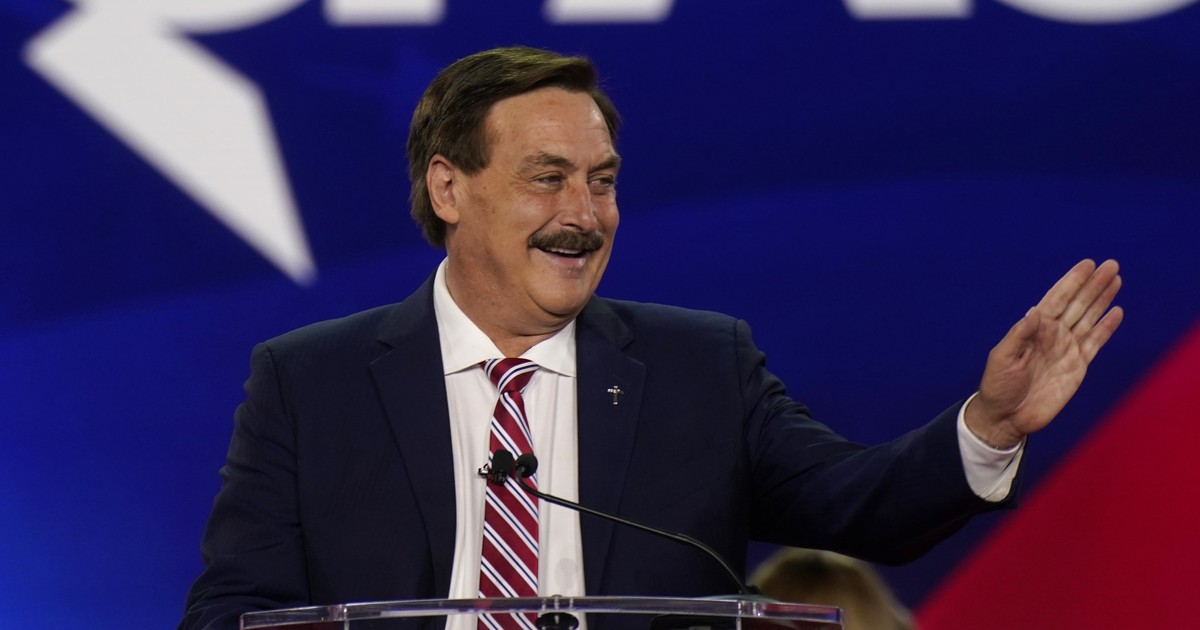
President Trump’s endorsement of Mike Lindell for Minnesota governor has stirred immediate pushback from conservatives, centered on Lindell’s shifting comments about immigration policy and alleged openness to amnesty. The endorsement landed as a surprise, and critics say Lindell’s remarks threaten core Republican commitments on deportations and border control.
Trump’s public nod to Lindell caught many on the right off guard, because Lindell is a high-profile supporter of the president who has also made statements that clash with traditional GOP immigration priorities. Lindell’s prominence as the MyPillow founder gives his campaign visibility, but visibility won’t help if his positions undercut the party’s stance on border enforcement. For Republicans who backed strict deportation policy, the endorsement raised immediate questions about alignment and judgment.
In recent weeks Lindell criticized aspects of former administration deportation plans and appeared to offer softer language around people living here without authorization, prompting alarm among conservatives focused on law and order. He has since tried to walk back some of the harsher-sounding lines, insisting he doesn’t support blanket amnesty in the traditional sense while offering accommodations that others interpret as amnesty. That back-and-forth leaves voters and activists unsure where he really stands, and uncertainty is a liability in a general election season.
That ambiguity matters because Minnesota is already a tough terrain for Republicans, and the party can’t afford mixed messaging on immigration, which is a decisive issue for many primary and general election voters. Candidates who hint at giving work authorization, driver’s licenses, or permanent safe haven to people who entered illegally create immediate friction with the base. The party brand is built on clear commitments to secure borders and enforce existing laws, and any candidate who muddies those waters will face a credibility test.
https://x.com/GrageDustin/status/2082171962080587845
Conservative commentator Jesse Kelly summed the problem up bluntly when he reduced the situation to a single, stark line about Lindell’s practical position on immigration: “It’s not amnesty but you can stay here and you can work and you can have a drivers license and no one’s ever gonna deport you.” That quote highlights the fear among many GOP voters that policy language will be used to paper over large-scale concessions. When the rhetoric and the likely outcomes diverge, activists and donors get nervous fast.
From a Republican perspective, endorsements shape the battlefield more than people realize, and a presidential endorsement carries extra weight and extra responsibility. If an endorsee’s platform risks handing Democrats a wedge or abandoning the enforcement pledges that won elections, it makes sense to reevaluate. I think you should suffocate this endorsement with a pillow, Mr. President. That blunt metaphor reflects the urgency some conservatives feel about stopping perceived retreat from core principles before it costs ground politically.
Party operatives and grassroots activists are watching how quickly the campaign clarifies Lindell’s immigration policy and whether the campaign’s language will match hardline enforcement priorities. If Lindell truly intends to embrace the stricter approach that many Republicans demand, he needs to say so clearly and provide concrete policy proposals rather than vague reassurances. Otherwise, the campaign risks alienating the very coalition that delivered victories in recent cycles.
Editor’s Note: We voted for mass deportations, not mass amnesty. Help us continue to fight back against those trying to go against the will of the American people.
Beyond the immediate political drama, this episode is a reminder that endorsements are not endorsements of personality only; they are endorsements of policy direction and strategic choice. For leaders who care about holding the line on immigration enforcement and preserving Republican credibility, the decision to back or withdraw support should be driven by clear answers, not hope that uncertainty will settle into a desirable outcome.