A quick roundup of the online reactions that followed the U.S. men’s Round of 16 loss to Belgium, showing how fans used sharp, self-aware humor and viral jokes to process an unexpected exit.
“After a brutal Round of 16 World Cup loss to Belgium, the memes about the U.S. Men’s National Soccer Team performance came flooding in. The sad reality is that they’re all actually pretty funny:” That first wave of jokes landed fast and hard, with fans trading punchy images and one-liners across platforms. For many, the humor was a way to release frustration without getting tangled in analysis.
The tone of the memes swung from self-deprecating to gleefully brutal, and that contrast is part of why they stuck. Some posts riffed on tactics, others zeroed in on individual moments that looked worse in slow motion. Whatever the angle, the internet turned disappointment into something shareable within hours.
https://x.com/Underdog/status/2074304091183030488
Memes dressed up the loss as inevitability or cosmic joke, sometimes by dropping it into classic pop culture frames or beloved sitcom moments. That mashup energy made the content feel familiar even when the subject was fresh pain. People who weren’t even watching the match still chimed in, drawn by the clever edits and timing.
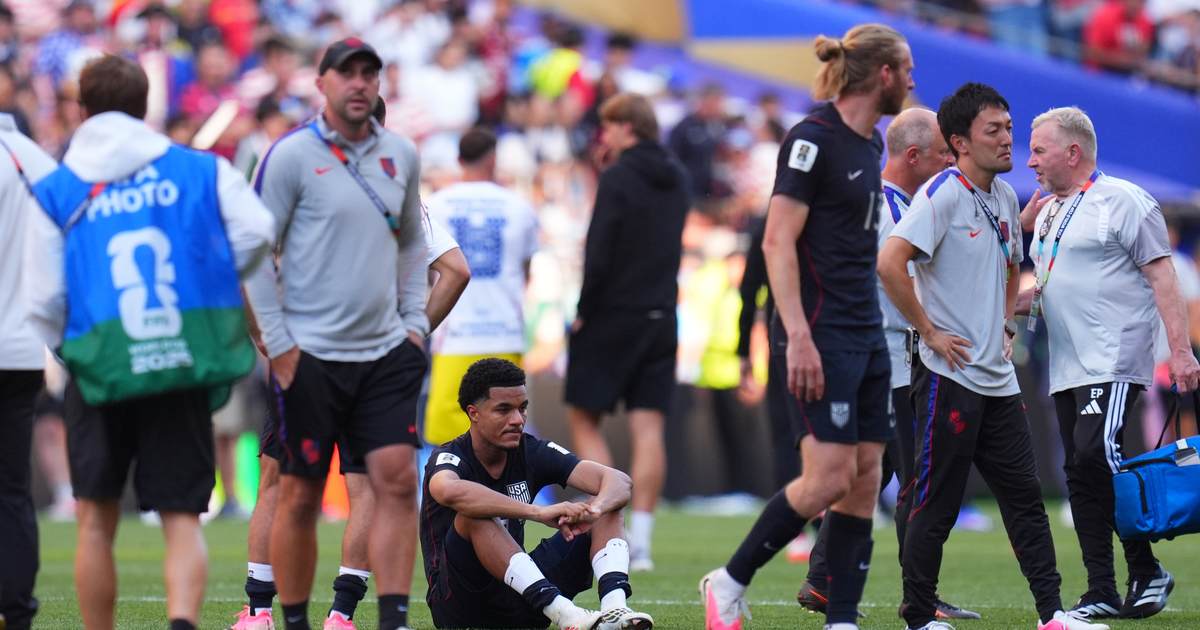
There’s a particular rhythm to sports satire: it arrives immediately, escalates quickly, and then moves on to the next target. The best memes didn’t just mock the result, they nailed the emotional aftershock—the stunned silence, the searching looks, the collective shrugs. Those images and captions condensed a complicated night into a single laughable moment.
Social-media threads also highlighted the odd little details that only go viral because someone noticed them and captioned them perfectly. A quiet pause, a misplaced run, a goalkeeper’s stance—these tiny elements got magnified into running jokes. That pinpointing is what separates an okay joke from one that spreads.
Not every riff was unkind; plenty were affectionate jabs aimed at the whole program rather than at players. Fans who follow the team closely mixed pride with exasperation, making memes that felt like ribbing from a friend rather than a hit piece. That balance kept the tone light enough for many to share without offense.
Reaction threads also revealed a cultural habit: when a team loses, people look for metaphors that fit the wider moment. The loss became shorthand for bad decision-making or overpromising, which is why so many memes folded the match into broader jokes. Those comparisons sometimes gave the memes extra traction outside the usual fan circles.
Of course, not every meme landed, and some missed the mark entirely or felt mean-spirited. The best posts avoided cruelty and instead leaned on timing, reference, and plain absurdity. That restraint helped a lot of the jokes stick around past the immediate news cycle.
“See you in 2030, boys!” became one of those short, punchy captions that summed up resignation with a wink. It captured the mood for fans who were already thinking about the long view and the next cycle. In the end, the memes turned a rough night into a shared, oddly comforting moment of internet culture.