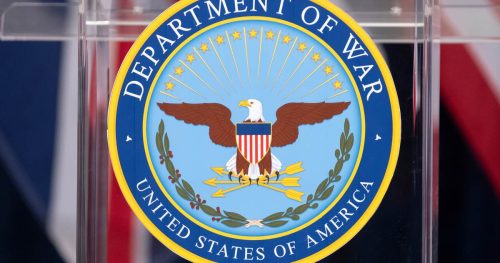
U.S. forces have begun additional strikes on Iran after leadership determined the ceasefire had ended and Iran continued hostile actions in the Strait of Hormuz, with the Pentagon saying these steps are meant to protect commercial shipping and restore freedom of navigation.
President Donald Trump ordered new strikes after officials concluded Tehran violated a memorandum of understanding by targeting cargo ships in a vital shipping lane. The move is framed by U.S. commanders as a necessary response to repeated aggression that put civilian crews and global commerce at risk. Military planners described the operations as aimed at degrading Iran’s ability to threaten movement through the Strait of Hormuz.
The U.S. Central Command made a public statement on its social platform, saying, “At the direction of the Commander in Chief, U.S. Central Command forces have started conducting additional strikes against Iran to further degrade their ability to threaten freedom of navigation in the Strait of Hormuz.” That exact wording was posted to X, underscoring that the strikes are a direct follow-up to policy set by the president. The statement continued with a clear line about consequences for Tehran.
https://x.com/CENTCOM/status/2074950507186032971?ref_src=twsrc%5Etfw
“The United States is holding Iran accountable for recent unjustified aggression against commercial shipping and civilian crews freely navigating a vital international waterway,” the Central Command message said. That language is precise and leaves little doubt about intent: protect seaborne trade routes and penalize actions that imperil neutral mariners. The administration is signaling that attacks on commerce will not be tolerated and will prompt a tangible military response.
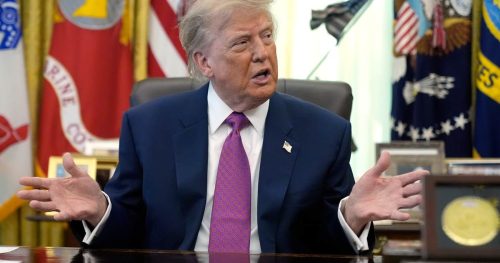
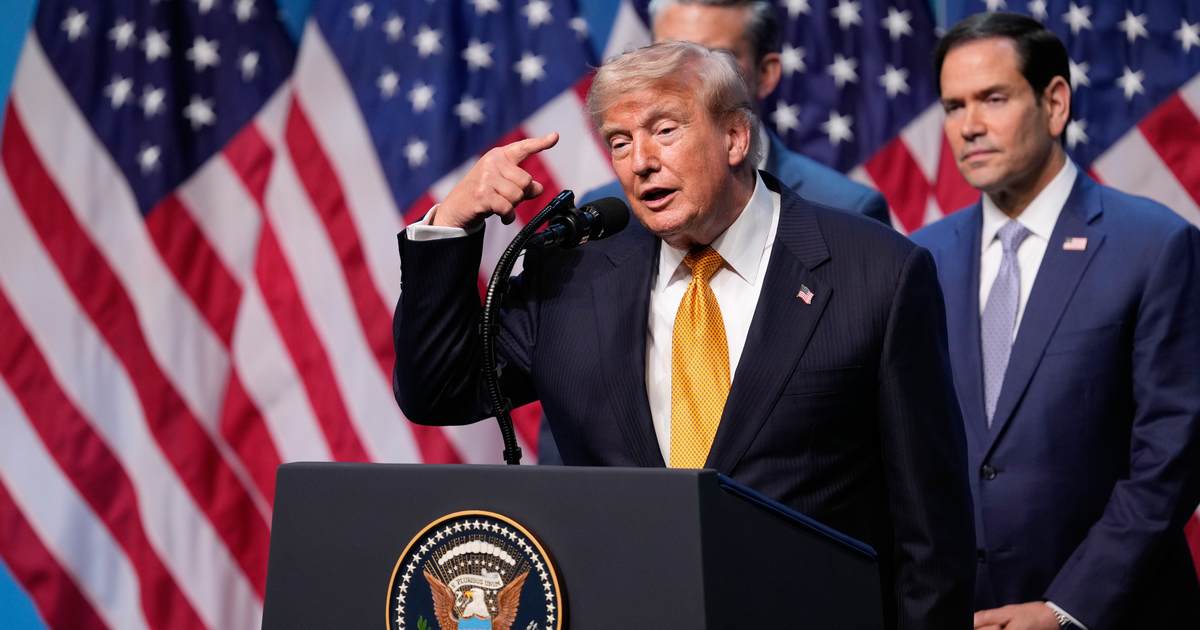
Earlier on Wednesday, Trump floated the possibility of completing “the job” in Iran and referred to the Iranian negotiators as “scum” that he no longer wants to work with. He used blunt language to describe the diplomatic stand-off and suggested a willingness to press harder to end the threat from hostile actors in the region. That rhetoric reflects a broader posture favoring decisive action over prolonged negotiation with bad-faith partners.
“They’re not doing a service to the people. And I’m not sure I want to make a deal with them […] Let’s just finish the job,” he said, choosing words that foreground results and accountability. Trump made those remarks as he was flying back from Turkey after attending the NATO summit, emphasizing both the international context and his hands-on role in directing military operations. The timing underlines a leader who pairs diplomatic travel with swift operational decisions.
Republican-leaning strategists and many conservatives argue this is the kind of firmness that deters future aggression and protects American and allied interests. The focus is on restoring predictable seas for the global economy and ensuring that Iran pays a price for threatening civilian vessels. Supporters assert that measured but forceful responses preserve deterrence without committing to open-ended ground wars.
Military officials say the strikes are designed to degrade specific Iranian capabilities tied to maritime disruption rather than to topple regimes, keeping the scope limited and mission-focused. The goal, as described publicly, is to reduce Iran’s ability to threaten freedom of navigation rather than to expand into a broader conflict. That distinction matters to military planners who want to achieve strategic aims while controlling escalation risks.
On the political front, the administration is framing the action as both lawful and necessary, pointing to repeated incidents in the Strait as justification. In conservative circles, there is an appetite for leadership that acts decisively when American commerce and sailors are targeted. The narrative being advanced is simple: defend trade routes, protect civilians, and hold bad actors to account.
Analysts watching the region note that any military action carries risks, including the possibility of Iranian retaliation or wider regional entanglement. Still, the prevailing message from Republican voices is that hesitation invites further provocations. This operation is being presented as the kind of clear repercussion needed to deter future attacks and keep vital international waterways open.
Operational details about targets, timing, and casualty assessments have been limited in public releases, which officials say is intentional to preserve operational security. What has been made clear are the aims and the chain of authority: the president directed the strikes, and U.S. Central Command executed them to degrade threats to navigation. For supporters, that chain is a demonstration of decisive command and control in defense of American interests.