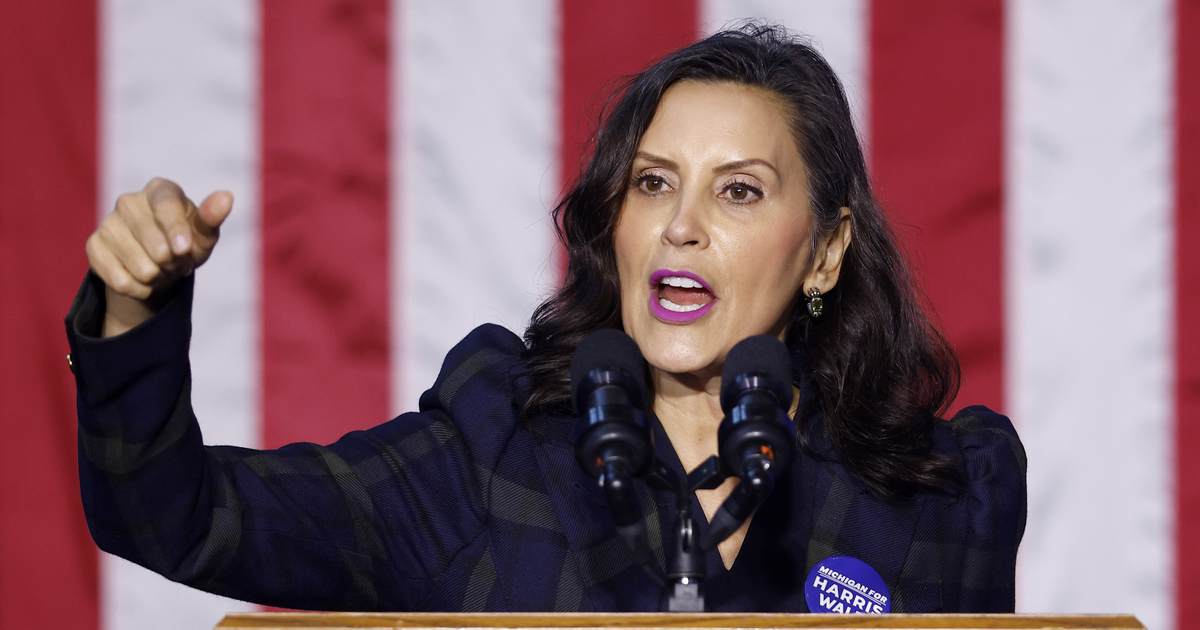
Gretchen Whitmer has formally backed Rep. Haley Stevens over Abdul El-Sayed in the Michigan Senate primary, setting up a clear establishment-versus-socialist clash ahead of the August vote.
Michigan Gov. Gretchen Whitmer announced her endorsement of Rep. Haley Stevens in the Democratic primary for the U.S. Senate, choosing the establishment-backed moderate over Abdul El-Sayed. The endorsement underlines the split inside the Democratic coalition, where party leadership is trying to blunt a far-left insurgency. Whitmer’s move signals that the state party apparatus is rallying behind a centrist who they believe can compete statewide. The choice has already shaped how both campaigns are framing the final weeks before ballots are cast.
The primary contest will be decided by Michigan voters on August 4, and the general election is set for November 3, 2026. If Stevens wins the primary she would face Republican Mike Rogers in November, giving GOP strategists a clear matchup to prepare for. Stevens is described as a moderate Democrat with ties to the party establishment and a record that Democrats expect will appeal to centrist and independent voters. That positioning is central to the argument Whitmer and other backers make about electability in a swing state like Michigan.
Abdul El-Sayed, by contrast, runs as a Democratic Socialist and pushes policies that are popular with the party’s activist wing. His platform includes healthcare for all, abolishing Immigration and Customs Enforcement, and a universal basic income, positions that energize progressive voters but worry moderates. Supporters see him as the candidate who would push bold change, while critics argue his agenda would be a liability in a competitive statewide race. Those differences make the primary more than a local fight; it’s a barometer for which direction Democrats might take nationally.
https://x.com/HaleyforMI/status/2080731052973191401
The timing of Whitmer’s endorsement could matter because momentum and endorsements still influence undecided voters in primaries. Last weekend high-profile progressives turned out for El-Sayed as Sen. Bernie Sanders and Rep. Alexandria Ocasio-Cortez held rallies in Michigan to boost his campaign. Those events aimed to energize the left flank and lift turnout among younger and more activist constituencies, creating a counterweight to establishment energy. The contest is now a tug of war between grassroots enthusiasm and institutional muscle.
From a Republican perspective, the Whitmer-Stevens endorsement fight is a welcome sign that Democrats are battling themselves over basic direction and messaging. A Stevens nomination would present a familiar, centrist target for GOP ad campaigns focused on competence and moderation. If El-Sayed wins the primary, Republicans will seize the chance to paint Democrats as out of touch with mainstream voters, using his policy positions to draw sharp contrasts during the fall. Either path affects how both parties allocate resources and craft voter outreach in Michigan.
The Senate math makes this race significant beyond state lines, with Republicans currently holding 53 seats, Democrats holding 45, and independents holding two. That majority gives GOP leaders confidence and focus in defending vulnerable seats and targeting pick-ups where Democrats look divided. Michigan is a prize in that calculation because its electoral map and recent trends make it competitive in national cycles. Every primary outcome feeds into how national committees and donors prioritize the state.
Whitmer’s endorsement also reflects internal calculations about what policies and messaging can win a statewide general election in a battleground state. For establishment figures, electability and the ability to hold suburban and working-class voters matter most, which is why Stevens’ moderate profile is attractive. Progressive forces argue that bold proposals can reshape turnout and realign voters, betting that enthusiasm will overcome perceived electability gaps. This fundamental disagreement is playing out in the ad buys, field operations, and public events across Michigan.
Michigan voters will ultimately decide which direction their party takes and who will challenge Republicans in November, and both sides are ramping up efforts in the coming weeks. The contest is compact but consequential, and its outcome will influence how each party approaches swing states in 2026 and beyond. Campaigns will be paying close attention to turnout patterns, early voting numbers, and which candidate can turn endorsements into votes at the polls. The result in August will tell us more about the appetite for moderation versus insurgent change among Michigan Democrats.