A plain take on who is doing the intimidating: the piece argues that those pushing a radical gender ideology often act aggressively toward women and girls who assert basic privacy and fairness, using a range of recent incidents to show the tension between a vocal minority and the majority of females seeking safe spaces.
The Left has become expert at claiming the moral high ground by casting itself and its favored groups as victims. Their political worldview lenses every conflict into oppressor versus oppressed, with their side always playing the latter role. That framing often flips reality, though, especially when women’s privacy and safety are involved.
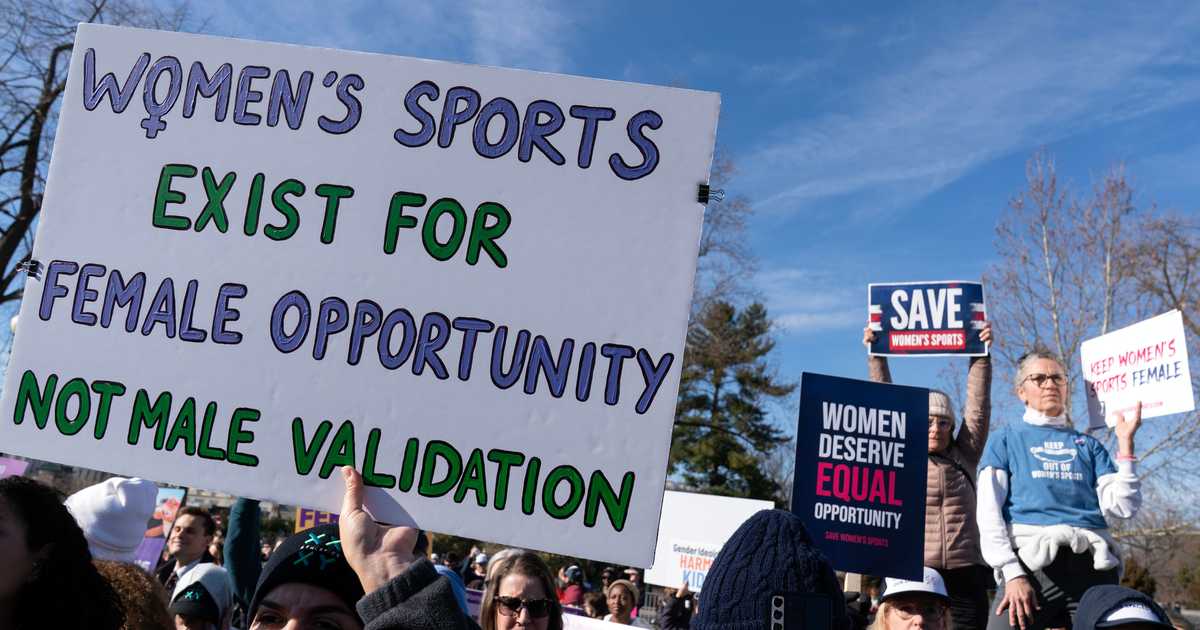
Consider the modern push around gender identity in schools and sports, which the author describes as an agenda driven by a small, vocal group. She argues this movement frequently forces women and girls to give up privacy in bathrooms, locker rooms, and competitive sports. The result, she writes, is not protection for the vulnerable but the sidelining of ordinary females’ rights.
“I was raised to believe that “No” is a complete sentence, and that if my gut told me a situation was wrong, I should listen to that intuition. We’ve now started teaching a generation of girls and women that we should not only not listen to that intuition, but that it’s wrong and even bigoted to do so.” That shift, she adds, intensified when a federal policy rewrite treated women’s objections to these changes as a form of discrimination. Suddenly, standing up for privacy looks like bullying.
Many stories show the tradeoff forced onto women: don’t complain, move aside, or accept invasive arrangements as the price of inclusion. Nobody forced a boy to stop playing soccer or attend different practices, yet the solution almost always demands women surrender space or rules. That pattern makes clear who’s doing the coercing and who is being asked to yield.
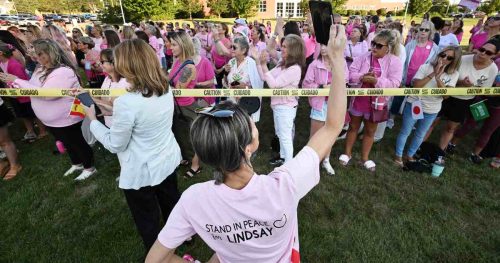
That coercion is what the author labels bullying—verbal attacks, online threats, and institutional pressure aimed at women who won’t conform. She points to cases where girls were ostracized for insisting on single-sex teams and facilities, and to educators who appear to side with activists. The question she presses is blunt: whose safety is being prioritized?
The article highlights a Wisconsin high school athlete who faced harassment after speaking up for girls’ sports, suggesting teachers and classmates joined in the hostility. For that reporting, she says she endured threats and online vitriol that escalated beyond mere disagreement. Those are not the actions of people defending the vulnerable; they resemble targeted intimidation.
https://x.com/jeremykauffman/status/2079190461474816243
“All I’ve ever asked for is to be able to have safety and privacy in bathroom and locker rooms and fairness in my sport. That’s it,” she said. “This was never about a bathroom. The same rule that lets a boy into girls’ bathrooms lets a boy onto girls’ teams.” Those words underline the central complaint: equal treatment for women gets redefined into forfeiture of basic protections.
“I stopped using the bathroom in my own school. I’ve had people threaten my life. I turned 17 while strangers online talked about what they’d like to do to me,” Frei continued, “and some of the adults who work in this building join in on it.” The account includes school policies that forced girls to use single-stall restrooms and accept added inconvenience rather than bar a male from female facilities.
Who are the bullies here? The piece insists it is the activists and their institutional allies who weaponize shame and policy to silence dissent. When public figures and athletes who back female-only protections get harassment, the pattern repeats: pushback is met with personal attacks instead of dialogue.
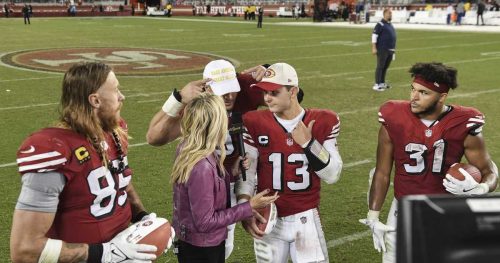
High-profile examples extend beyond schools. An athlete in the WNBA faced backlash for supporting women’s sports, and the article uses a blunt analogy: would it be fair if a top male basketball star decided to compete in the women’s league? That illustrates the practical imbalance at stake and why many women object.
The piece also documents incidents where girls encountered males in spaces meant for females, including a story about a 10-year-old who found a naked adult in her locker room. Those episodes are used to argue there are real safety consequences when policies fail to protect women. The author cites cases of school officials forcing girls to change in front of males and of known sex offenders exploiting gender policies to access women’s spaces.
Dating apps and prisons are other arenas the article highlights, where lesbians and incarcerated women have alleged mistreatment when male-identifying inmates or users insist on access to female-only spaces. The claim is that, in several systems, women who reported abuse were punished while the intruders faced delayed or inadequate consequences. Names and examples are used to show a pattern of institutional failure to defend women.
No one wants children targeted or bullied, but the argument here flips the common narrative: it’s not girls doing the bullying when they ask for privacy and safety, it’s those who insist their preferences override everyone else’s. The final questions are pointed and simple: why should the majority of women lose rights to accommodate a small minority, and why is that majority expected to endure intimidation to satisfy activist demands?