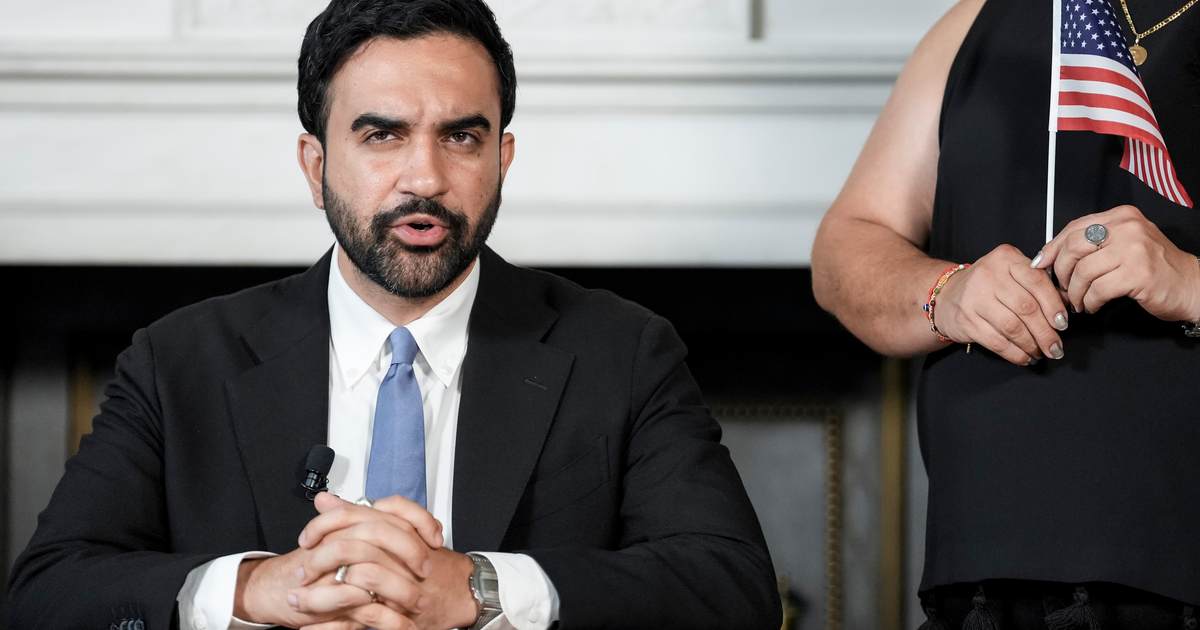
New York Mayor Zohran Mamdani joined inmates at Rikers to watch the World Cup, sparking sharp criticism about public safety and his push to close the jail. Critics say the photos and social media posts underline a wider policy split over crime, victims, and whether elected officials prioritize law-abiding New Yorkers. The episode has proponents framing it as a gesture of inclusion while opponents see it as tone-deaf and politically calculated. The debate has landed squarely on how cities balance dignity for incarcerated people with responsibility to victims and public safety.
Zohran Mamdani’s visit to Rikers Island to watch an England-Argentina World Cup match with inmates landed as a public-relations moment that many conservatives find troubling. He celebrated the event on social platforms, saying “Joy and connection should not be scarce resources. Every New Yorker deserves to have their dignity affirmed.” But for critics, a mayor posing with alleged felons during a high-profile game reads less like outreach and more like a political stunt that normalizes criminality.
The optics are especially sensitive because Mamdani has championed closing Rikers, a move framed by his supporters as criminal-justice reform but by opponents as public-safety negligence. Closing facilities without credible, safe alternatives risks releasing more people onto city streets or straining other systems that are already stretched thin. New Yorkers who live in neighborhoods hammered by repeat offenders understandably want policies that prioritize victims and secure communities first.
https://x.com/nypost/status/2077561738132664632
Closing this lockup is his goooooal!
Mayor Zohran Mamdani caught a red card online for his latest publicity stunt — casually catching the England-Argentina World Cup game Wednesday surrounded by alleged felons and convicts at Rikers Island.
Hizzoner shared photos of himself Thursday slumming it with the jailbirds on his official X account, waxing poetic about how “football belongs to everyone.”
“Yesterday, I joined New Yorkers on Rikers Island to watch England take on Argentina. We experienced one of the tournament’s biggest moments side by side,” he said. “Joy and connection should not be scarce resources. Every New Yorker deserves to have their dignity affirmed.”
The Associated Press was the only media outlet invited to photo op, which showed the perpetually smiling socialist shaking hands with inmates, chatting with them around the table like old pals and enjoying the beautiful game.
Photo ops aside, the city is dealing with measurable increases in violent crime that make this stunt feel out of touch to many voters. The article notes a “6.6 percent increase in rape” and references a debate over the “Rape Is Rape Act,” which some officials say altered reporting definitions while critics point out the timing doesn’t line up with the jump. For communities suffering real harm, symbolic gestures with inmates do not replace accountability for criminals or relief for victims.
When mayors spend political capital on optics, they also send signals about priorities. Constituents ask whether their leaders are focused on deterring violence, supporting victims, and keeping neighborhoods safe, or on scoring headlines and pleasing ideological allies. The concern from a conservative perspective is that dismantling institutions like Rikers without clear, effective replacements will weaken public order and empower dangerous repeat offenders.
Those who back Mamdani insist this kind of outreach humanizes incarcerated people and supports rehabilitation. Still, critics warn that rehabilitation programs must be paired with tough, sensible enforcement or the public will pay the price. Closing jails without reliable alternatives risks dumping responsibility on already-overburdened communities and underfunded social services.
There’s also a political angle: Mamdani’s identification with democratic-socialist ideas shapes how he responds to crime, punishment, and victims. Opponents argue that his worldview leads to policies that favor leniency over accountability and that those choices produce more crime, not less. That makes each public appearance with inmates more than a photo op; it becomes a policy statement about what the city will tolerate.
City leaders should be able to show compassion without sidelining victims or ignoring crime statistics. Lawmakers and mayors who want reform must also demonstrate results: fewer repeat offenses, safer streets, and clear paths for people to rejoin society without threatening others. Otherwise gestures of inclusion look increasingly like political theater.
For many voters, the central question is simple: will elected officials protect the safety of everyday New Yorkers or will they prioritize ideological experiments whose consequences are paid for in broken lives and damaged neighborhoods. The Rikers watch party captured a flash of celebrity-style outreach, but the longer-term fallout will be judged by crime rates, victim advocacy, and whether public safety improves under the policies being promoted.