The piece lays out recent U.S.-Iran tensions around the Strait of Hormuz, highlights negotiating moves and energy implications, quotes senior officials directly, and flags shifts in how oil and gas may move in the near future.
The United States and Iran have been locked in a tense negotiation over passage through the Strait of Hormuz, and those talks hinge in part on Iran striking an arrangement with Oman. The situation mixes military positioning with high-stakes commercial concerns, and it has real effects on global energy flows. Officials on both sides are trading assurances and caveats as they try to manage risk to civilian shipping. Washington is treating the dispute as both a security and an economic issue.
Vice President J.D. Vance framed part of U.S. policy in straightforward economic terms, saying the administration is “trying to maximize the amount of oil and gas” coming from the Strait to help ease domestic prices. That line makes clear the practical end of these talks: keep oil and gas moving so markets remain stable. At the same time, Vance’s comments underline a core Republican concern about energy availability and the need to protect American consumers. The balance now is between calming markets and not ceding leverage to Tehran.
Iran has publicly told U.S. interlocutors it does not intend to impose a toll on shipping, according to the U.S. side, and negotiators are discussing the terms that would govern commercial traffic. Any traffic regime will need to make passage safe without granting Iran new forms of control. The U.S. is insisting on verifiable commitments before accepting any long-term arrangement that touches commercial navigation. That insistence reflects a deep skepticism born of past experience.
“We’re working through how to set up a traffic scheme so the ships can pass through safely,” Vance said. “That includes Iran committing they won’t fire at commercial vessels.” Those words map to a clear demand for a binding, enforceable framework rather than vague promises. The focus on commercial safety underscores the duty to prevent disruptions that could spike energy costs or endanger crews.
https://x.com/RapidResponse47/status/2086106483754766519
“We’re in the middle of the game. This thing is not over…our expectation is the same oil and gas come out of the Gulf you saw before the conflict started. The Iranians told us that…but we don’t trust; we verify.” That blunt assessment captures how U.S. officials are approaching negotiations: hopeful for continuity but prepared to check every claim. The phrase “but we don’t trust; we verify” is familiar to anyone who has followed arms and nuclear diplomacy, and it signals a posture of cautious oversight.
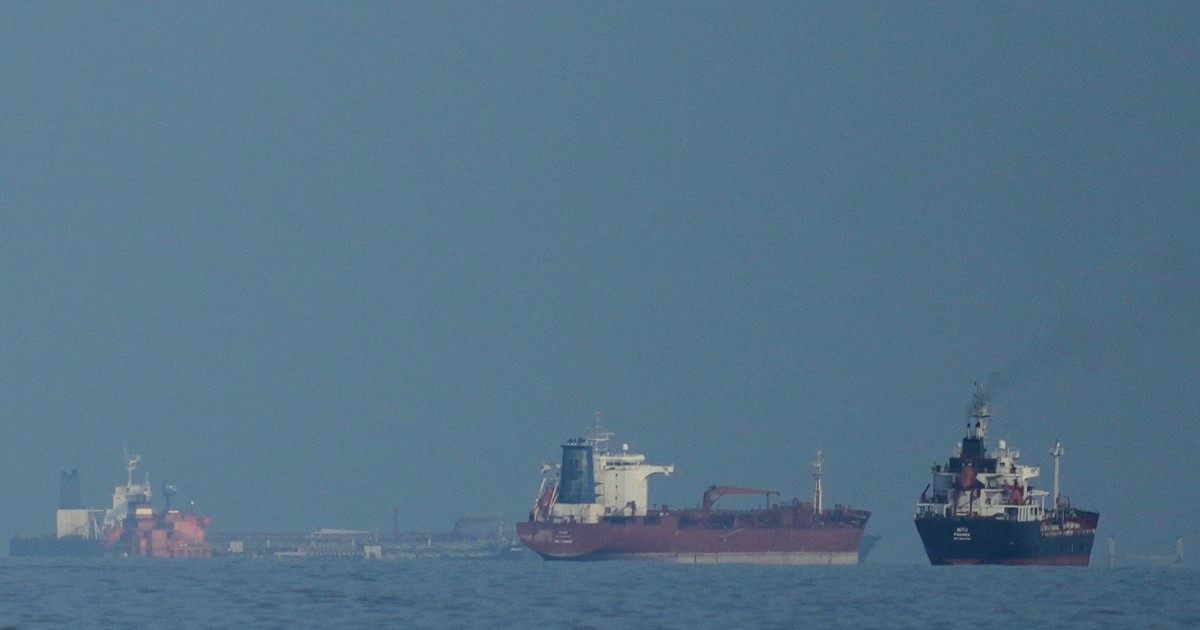
On the operational side, U.S. Central Command reports the United States has redirected more than 50 commercial vessels as part of its maneuvers and is, in effect, blockading certain Iranian ports. Those moves show Washington is ready to shape maritime reality while diplomats talk. Redirecting traffic is a concrete way to protect merchant shipping and deny Iran the leverage of disrupting commercial routes. Such steps come with costs, but for now they are treated as necessary to ensure free flow and deter aggression.
Treasury Secretary Scott Bessent offered a longer-term view of how energy transit might change, saying the Strait will “become irrelevant” in a few years as more product shifts to underground pipelines. That projection speaks to an energy strategy beyond immediate crisis management—one that leans on infrastructure to reduce vulnerability. Pipelines may cut the strait’s strategic grip, but building them takes time and political will. For Republicans focused on energy resilience, the idea of moving supplies off chokepoints has clear appeal.
Officials and outlets report the U.S. and Iran are reportedly close to a deal that would govern how commercial vessels move through the Strait, though details remain thin. Any agreement would have to square Iran’s stated pledges with inspection, oversight, and credible enforcement mechanisms. The U.S. will likely keep military and surveillance options on the table while diplomats try to lock in terms. That mix of pressure and negotiation reflects a preference for results that protect American interests.
Behind the scenes, Oman’s geographic position and its diplomatic channels matter a great deal, since Iran would need a neighbor’s cooperation to make any traffic scheme durable. Regional partners will be asked to vouch for procedures and help manage on-the-water coordination. That regional buy-in is essential if any agreement is to prevent accidental clashes and keep commerce flowing. For policymakers, the core evaluation is whether a deal reduces risk or simply papered over a strategic gap.