This piece covers the Justice Department’s shift away from suing states over institutionalized mentally ill patients under Olmstead, the directive that ended that policy, and the consequences for public safety and homelessness policy.
In the 1999 Supreme Court case Olmstead v. L.C., Justice Kennedy wrote in his concurrence, “It is careful, and quite correct, to say that it is not ‘the ADA’s mission to drive States to move institutionalized patients to an inappropriate setting, such as a homeless shelter.'” That line has been central to how courts and agencies interpreted integration mandates ever since. The practical fallout over the past two decades is now getting a hard look.
Yet as the Cicero Institute points out, that’s exactly what has happened over the last 20 years. Policy and litigation pushed states toward deinstitutionalizing many people with serious mental illness, often without solid community-based alternatives. The results have shown up in rising homelessness and public-safety challenges.
In fact, it was Justice Department policy to sue states to discharge mentally ill patients from institutions under Olmstead. Those enforcement actions pressured states to reduce institutional capacity even when community supports were not ready. On July 13, Assistant Attorney General for Civil Rights Harmeet Dhillon issued a directive putting an end to this practice.
Here’s what that directive says:
https://x.com/InstituteCicero/status/2086853737600151982
The Department of Justice (the Department) is issuing this document to clarify that the guidance issued by the Department on June 22, 2011, and last updated February 28, 2020, titled “Statement of the Department of Justice on Enforcement of the Integration Mandate of Title II of the Disabilities Act and Olmstead v. L.C” (Olmstead Guidance), and similar guidance documents are not enforceable. In addition, the Department plans to revisit the Olmstead Guidance in light of the Supreme Court’s decision in Loper Bright Enters v. Raimondo, 603 U.S. 369, 400 (2024), to assess whether the Olmstead Guidance is consistent with the single best meaning of the relevant statutory text. The Department will no rely upon the Olmstead Guidance in its enforcement of Title II of the Americans With Disabilities Act.”
It is literally insane that the DOJ was suing states to force institutions to release mentally ill patients. To avoid those lawsuits, states were setting violent, dangerous mentally ill patients free into our communities. That pattern eroded trust in both mental-health policy and public safety planning.
This was a deliberate choice. Litigation became a blunt instrument that substituted for thoughtful policy-making at the state and local level. The pressure to comply with federal enforcement trumped pragmatic, community-centered solutions.
It explains so much. When you follow the timeline, increases in visible homelessness and untreated severe mental illness track with years of aggressive enforcement. Policymakers claimed compassion, but the consequences landed on neighborhoods and vulnerable people alike.
It’s so unreal that it’s hard to believe this was federal policy for two decades. Yes, it was.
That it is. We’re sure that some state will sue and object to this policy change; legal pushback is expected when federal enforcement priorities shift. The litigation dance is part of the story, but it doesn’t excuse poor outcomes on the ground.
That’s exactly what was happening. For years, litigation incentives and enforcement memos nudged policy toward premature releases without dependable follow-up care. Communities paid the price in rising disorder, pressure on shelters, and strains on emergency services.
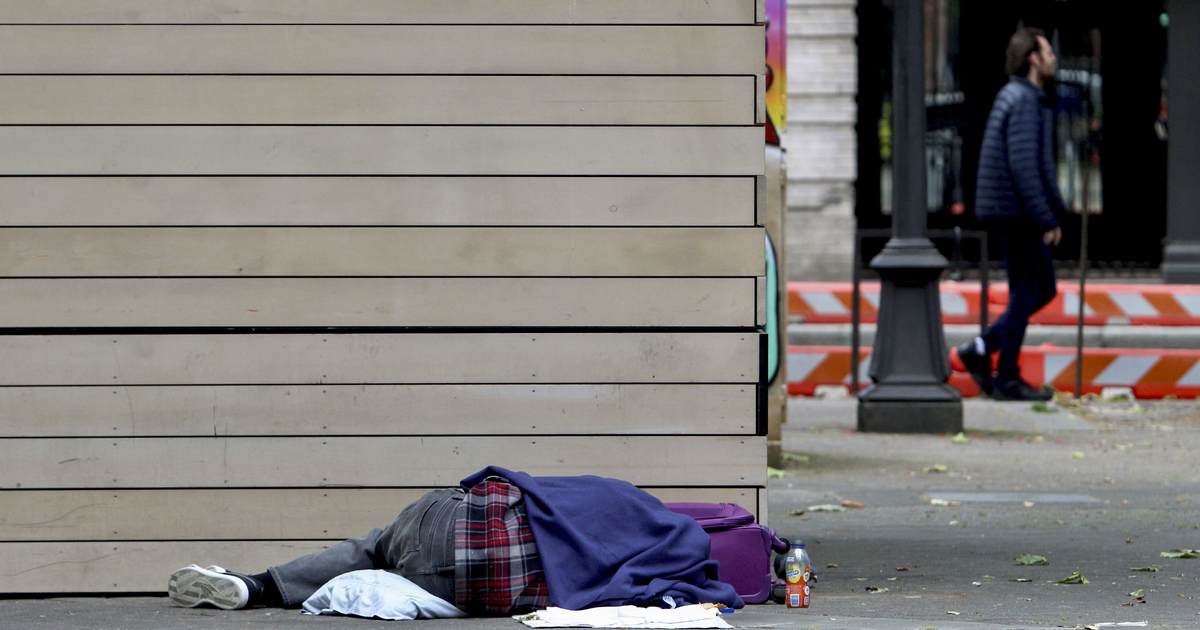
We need to reopen the institutions and rethink how we treat mental illness and addiction in America. Those two things are the biggest drivers of homelessness, which drives up crime, drives down property values, and creates more problems for our communities. A sober, conservative approach demands accountability and realistic investments in secure treatment options.
Billions of tax dollars have been used by non-profits and governments to end homelessness to no avail, and now we understand why. Returning to sensible treatment plans and secure facilities will be uncomfortable and costly, but it is better than the current chaos. Lawmakers must prioritize outcomes over ideology and design systems that actually stabilize people and neighborhoods.