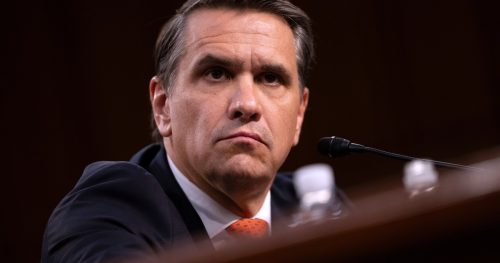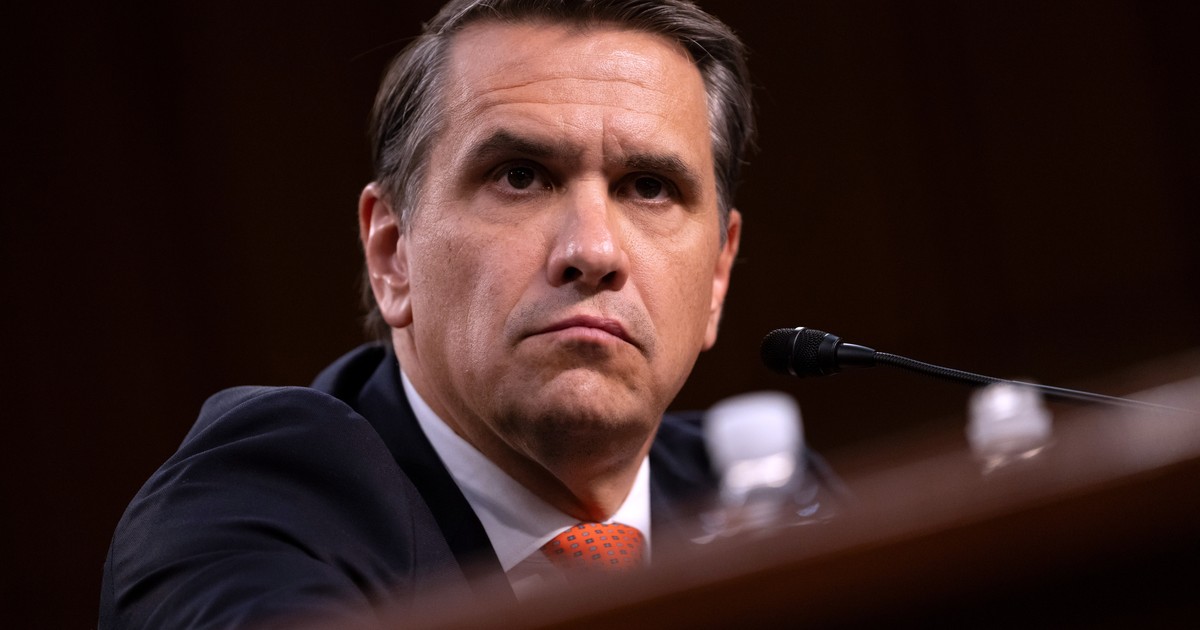
The Justice Department’s new Fraud Division, launched in April as part of a wider fraud crackdown, has laid out specific priorities and signaled a tougher posture on health care scams, tax schemes, trade abuses and corporate misconduct while urging stronger coordination with Congress and other agencies.
The Fraud Division opened this spring and immediately set a tone of aggressive enforcement tied to the administration’s push to root out large-scale financial crime. Officials say the unit will focus limited resources where the biggest harms and losses occur, and they have circulated a memo to staff explaining those priorities.
The memo names five core areas of focus: Public Trust and Financial Integrity, Internal Revenue, Health Care, Global Trade and Commerce, and Corporate Misconduct. Those priorities are meant to guide investigations and prosecutions that the division believes will yield the most impact against fraudsters who target federal programs and the economy.
“The Government Accountability Office recently estimated that the federal government loses between $233 billion to $521 billion annually to fraud—with other models showing even higher annual losses,” Colin McDonald, Assistant Attorney General, wrote in the memo. That figure is being used inside the division to justify a concentrated effort on schemes that drain public funds.
“These shocking figures alone are worth our full and complete attention. And there is so much more at stake than simply dollars and cents: unabated fraud inflicts just as much damage to the hearts and souls of Americans as it does to their wallets,” McDonald continued. That language frames the division’s work as both fiscal and moral.
The memo highlights recent enforcement wins and the scale of health care fraud prosecutions, including a National Health Care Fraud Takedown that officials said accounted for roughly $6.5 billion and 455 people charged. High-profile Medicaid fraud cases in several states helped set the stage for the division’s health-care-centric approach.
On healthcare fraud, the memo specifically states that the DOJ will “prosecute defendants who orchestrate schemes that result in the loss of hundreds of millions of dollars, the distribution of thousands of controlled substance pills, and complex money laundering, tax, and other associated financial crimes relating to health care.” The document also flags hospice scams and other schemes that “deceptively market unsafe products and services.”
Tax enforcement sits squarely among the priorities because fraud schemes often overlap with tax crimes, according to the memo. “The federal government trusts Americans to voluntarily comply with their tax obligations. Yet, unscrupulous actors abuse this trust. For example, unethical return preparers include false claims on individuals’ tax returns and often charge higher fees to do so,” the memo states.
That message continues with a call to pursue the promoters behind illegal tax schemes. “Others conceal their income or otherwise falsify information on their returns. Abusive promoters line their pockets while selling their unsuspecting clients on illegal tax schemes,” it continues. The division plans to target both the architects and facilitators of these schemes.
At a recent meeting of Vice President JD Vance’s anti-fraud task force, administration officials discussed policy measures designed to strengthen deterrence, such as tougher mandatory minimums for large frauds and more stringent vetting when federal benefits like welfare and Medicaid are distributed. “This effort will fundamentally always have a limitation unless our colleagues in the House and the Senate are working with us,” the vice president said at the time.
“We need our colleagues in Congress to really codify some of this stuff,” he added, underscoring that law enforcement wants legislative backing for longer-term changes. The division will continue coordinating with other agencies and state partners, while signaling it expects Congress to consider statutory changes that support prosecution and prevention efforts.
Investigators inside the Fraud Division will concentrate on multi-layered schemes that produce large losses and complex criminal networks, and prosecutors say they will use tools from money-laundering statutes to tax law to dismantle those networks. The division’s priorities map a clear enforcement agenda and set expectations for how cases will be selected and pursued in the months ahead.