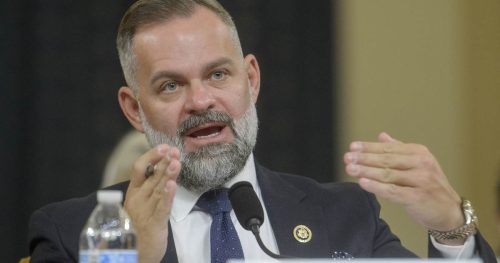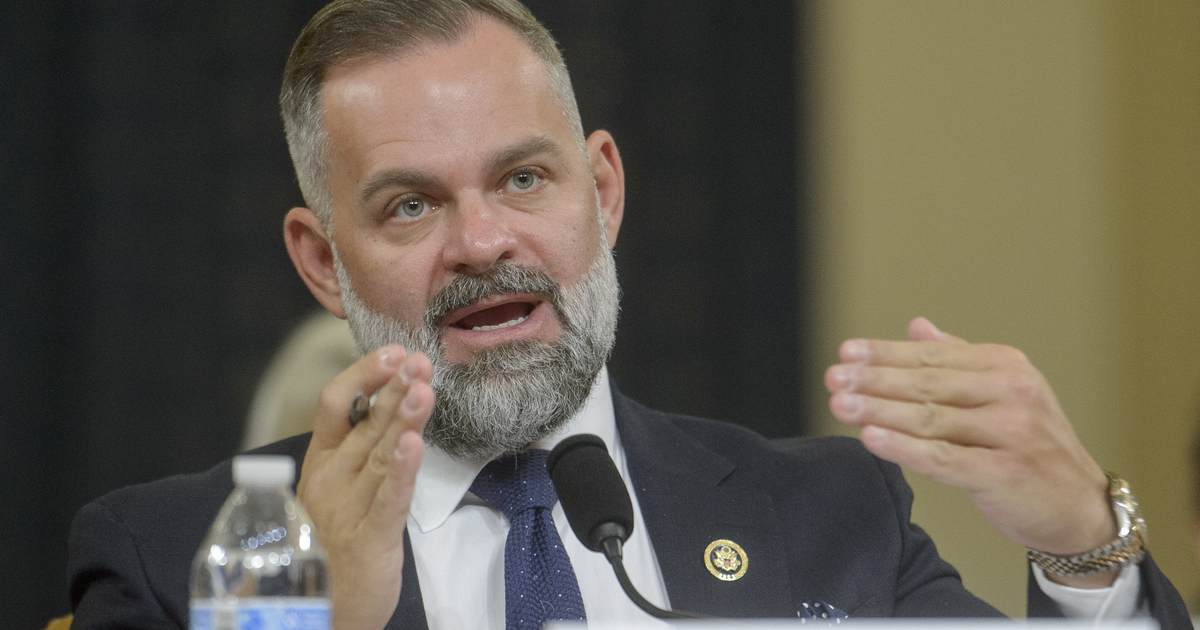
The scandal-plagued Republican Rep. Cory Mills lost his primary to challenger Ryan Elijah amid overlapping probes by the House Ethics Committee and the Department of Justice, shifting the race and giving Republicans a new nominee in Florida’s Seventh District.
The result arrived after months of allegations that drew wide attention and left voters choosing a different Republican to carry the banner into November, where the party aims to keep the seat. That backdrop included a restraining order tied to claims from a former romantic partner and an Ethics Committee review. Mills has denied wrongdoing as investigations continued around him.
Alongside the ethics review, the Department of Justice opened a separate inquiry focused on alleged campaign finance issues, a development that added legal pressure and media attention. Those overlapping probes made the primary a referendum on whether the party should move to a fresh face before the general election. For many voters, the combination of allegations and investigations made the choice clear.
Ryan Elijah, the man who defeated Mills, drew support from some federal Republicans and local officials who signaled they wanted a contest without the baggage of ongoing investigations. Among Elijah’s backers was Rep. Anna Paulina Luna, whose endorsement helped consolidate conservative support in key precincts. Local law enforcement leadership also offered public backing, which bolstered Elijah’s law-and-order appeal to primary voters.
https://x.com/foxnewspolitics/status/2089870444128309662
Elijah’s political history includes a long-shot run in a 2010 special election for Indiana’s 3rd District, where he received just 43 votes and nearly 10 percent of the vote, an early campaign that now reads like a footnote in his rebound. That unusual tally was part of a broader trajectory that took him from a peripheral candidate to the Republican nominee in a competitive Florida district. Voters seemed willing to back the new option despite that unconventional resume detail.
For Republicans who prize stability and credibility heading into a midterm fight, the decision to replace an incumbent facing probes is about risk management as much as politics. Party activists and elected officials are keeping a close eye on how quickly the nominee can pivot to general-election messaging and fundraising. The goal is to neutralize any Democratic momentum and present a united front in November.
Mills’ situation underscores the wider problem that comes when personal controversies intersect with public service: they become distractions that hurt constituents and the party. Voters in the district rewarded a candidate who presented a cleaner path forward, and Republican leaders will now focus on consolidating resources behind Elijah. That means shifting attention from internal turmoil to the general election campaign and policy contrast with the Democrat on the ballot.
The Democratic opponent in November will be Bale Dalton, and Republican strategists are preparing to run a campaign that emphasizes contrast on issues and character. The new nominee will have to move quickly to introduce himself across the district, shore up fundraising, and make the case to swing voters. With both parties watching closely, the district could be competitive if either side missteps.
Beyond the immediate contest, the episode has broader implications for how the party handles incumbents who face serious allegations while still in office. A key takeaway among conservative voters is that accountability and electability matter simultaneously, and that unresolved legal questions can change the trajectory of a campaign. Whatever the outcome in November, the primary result signals a preference among Republican voters for candidates who can run without controversy looming overhead.