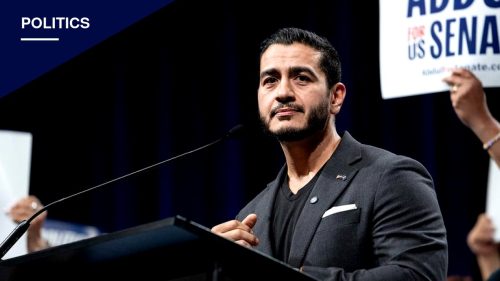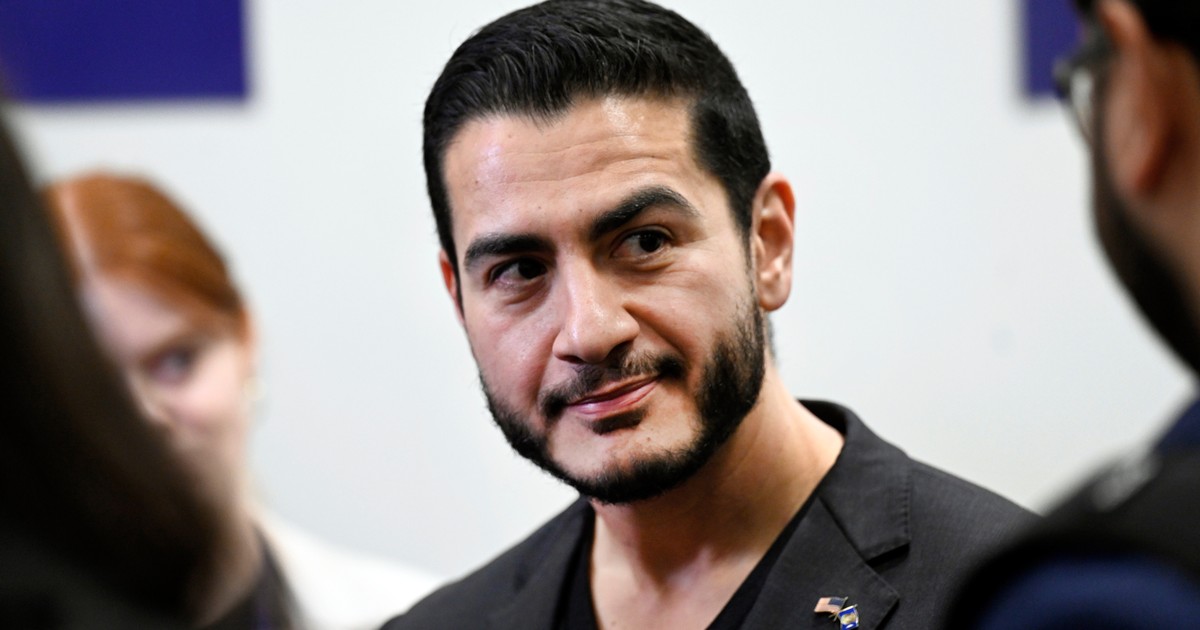
Abdul El-Sayed stirred controversy by likening himself to a religious leader, setting off sharp debate about faith, charity, and the role of government in caring for neighbors.
The campaign surrounding Abdul El-Sayed looks strained and reactive, as opponents point to odd messaging and failed outreach. Signals from voters and local groups suggest his team is scrambling to change the narrative. That scramble led to a comparison that many found tone-deaf and politically risky.
El-Sayed has tried multiple angles to win support, including calling out opponents and courting different voter blocs, but the results feel uneven. Some conservative and religious critics see his recent remarks as evidence he misunderstands how faith communities operate. Voters who care about faith-driven charity expect different priorities than what his rhetoric implies.
So now El-Sayed is trying to win over voters by comparing himself to Jesus.
“Jesus, peace and blessings be upon him, was considered a radical in his time, too. And there is a radical nature to being willing to stand forthright in a time of corruption,” El-Sayed said.
https://x.com/RNCResearch/status/2090088917449986129
That quote landed with obvious shock among people who follow Christian teaching closely, because it came in the middle of a campaign that champions bigger government solutions. Critics argue equating modern campaign tactics and policy agendas with the moral leadership of a religious figure stretches the comparison past credibility. For many believers, moral action means personal sacrifice and community service, not expanding state control.
Historically, Christian communities built hospitals, schools, and charities to meet needs directly, which Republicans point to as proof that voluntary charity is central to faith practice. The point conservatives make is that faith-driven work depends on local initiative and personal responsibility. Turning those instincts over to a distant bureaucracy changes incentives and outcomes.
El-Sayed’s critics also target policy proposals and allies who openly call for steep tax increases, including talk of a doubling of taxes to fund programs. That kind of plan, they argue, replaces neighborly compassion with impersonal government programs that often disappoint. Conservatives warn that higher taxes funnel resources into administration and red tape instead of local care.
There’s also cultural pushback. Some observers see a pattern where modern progressive campaigns claim the mantle of religion while ignoring core religious teachings on issues like abortion, marriage, and religious liberty. That contradiction fuels skepticism among voters who want coherent moral messaging. For many believers, policy positions must align with scriptural priorities and the dignity of individuals.
When a politician likens himself to a sacred figure, it invites questions about humility and leadership style. Republicans often frame effective leadership as stewardship, not self-comparison to religious icons. That contrast matters to voters who prefer leaders who empower families, churches, and nonprofits to do the heavy lifting.
There’s also a practical record to look at: charity delivered through community institutions tends to be more targeted and accountable, while government programs can be slow, bureaucratic, and sometimes counterproductive. Examples like municipal homelessness initiatives are cited by skeptics as cautionary tales. The right argument is that private generosity and local institutions usually produce better outcomes.
Political theater aside, the debate boils down to a simple question of who should care for the vulnerable and how. Conservatives insist charity driven by conscience and faith builds civic capacity and moral responsibility, while critics of that view see government as the scalable answer. This fight over means and motives is central to the current contest.
Outside the theological back-and-forth, the campaign dynamics matter immediately for voters and for the opponent’s strategy. Local groups that back other candidates see an opportunity to highlight these inconsistencies and draw contrasts. Messaging that appears to appropriate religious language without matching practice can backfire during a high-stakes election.
At its core, the reaction to El-Sayed’s remarks reveals how sensitive religious comparisons are in politics, especially when tied to questions of taxation, healthcare, and personal responsibility. Voters who prioritize faith-based charity will watch closely to see whether rhetoric matches action. The coming weeks will test whether this line of messaging helps, hurts, or simply distracts from the broader policy debate.
When candidates borrow sacred language, they take on scrutiny from both political opponents and religious communities. That scrutiny intensifies when policy proposals seem to push people away from direct service into the hands of government programs. For many conservatives, that’s not merely a policy difference — it’s a moral one.