Abdul El-Sayed can’t explain how he’d pay for Medicare for All, and his plan raises real concerns about care, costs, and accountability; his public comments and evasions underscore a bigger argument about socialist-style health schemes and the consequences they bring to everyday Americans.
Abdul El-Sayed is running on Medicare for All, a full-government takeover of health care that sounds generous until you think about what it would actually mean on the ground. Promises of “free” care ignore the tradeoffs: longer waits, lower quality, and a system that gets politicized by those who want power more than better outcomes for patients. This isn’t theory; lessons from other countries and public debates show the risks plainly.
When you hand one agency control of everything, rationing follows whether politicians admit it or not. Small-nation experiments struggle to keep up with demand, and that creates wait lists, missed diagnoses, and worse decisions for vulnerable patients. The worst-case scenarios put pressure on life-or-death choices, and some programs slide toward euthanasia as costs mount and options narrow.
El-Sayed and others who push this agenda frame it as compassion, but it also consolidates power in political hands. That power lets bureaucrats decide who gets what care and when, and it creates incentives to punish those who resist the new orthodoxy. All of that is easy to miss when the slogan sounds warm, but the outcomes are cold and bureaucratic.
It gets worse when candidates can’t answer the basic fiscal question: how do you fund a program of that size without wrecking the economy? And El-Sayed has no clear answer to that question, which is the critical point for voters who pay the bills. If you can’t explain the money, you’re not offering policy — you’re offering a pledge with a blank check.
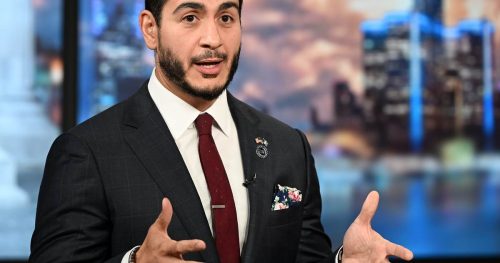
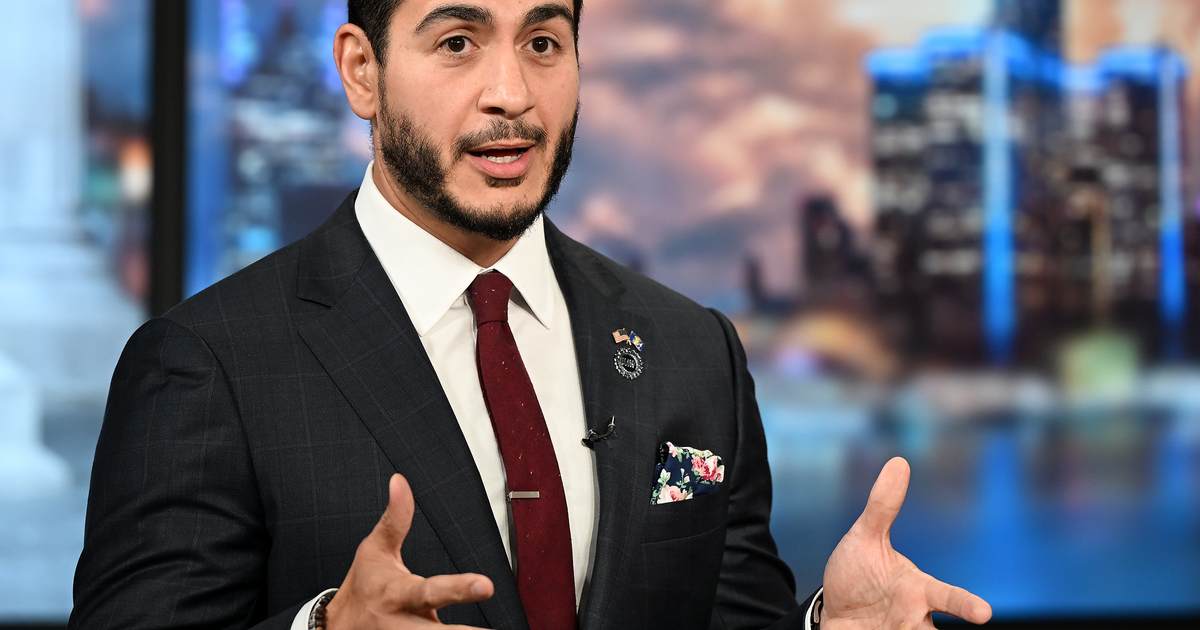
“What do you tell those people about whether or not this is a pie-in-the-sky dream you’re going around Michigan talking about?” asked host Jacob Soboroff. It was a direct question about realism and financing that deserved a direct answer from someone proposing to remap a trillion-dollar system.
“Well, clearly, I’m a different kind of Democrat as we just talked about,” El-Sayed replied. “$60 million spent to try and beat me. I’m here to actually take on the challenges that working people face. Imagine you had a Congress that actually worked for you instead of worked for the corporations in the exact same way that Mike Rogers has made it work for a very long time. I really believe that Congress can do good things that’s why I’m running because I’d like to make it do good things.”
https://x.com/RNCResearch/status/2085163437378634193
Repeating a feel-good line about fighting for working people doesn’t answer the math. The reality is that taxes would rise across the board to cover Medicare for All — not just targeting billionaires, but hitting middle-class families and small businesses. Voters deserve a frank discussion about the tradeoffs, not slogans that dodge fiscal reality.
Supporters like El-Sayed act as if implementation details can be fixed later, but history shows policy gaps become permanent harms when they meet bureaucracy and budget constraints. You can’t legislatively paper over shortages, delayed surgeries, or the moral hazards that come with a single-payer system. Those aren’t partisan talking points — they’re predictable consequences.
There is also a hypocrisy problem that undercuts the moral argument for sweeping reform. Candidates preach universal coverage while their personal or family arrangements suggest they prefer private or cash-based models for themselves. That disconnect matters to voters weighing whether the architects of a new system trust it enough to use it.
That inconsistency is why many Americans instinctively distrust grand government promises: the people making the promises often opt out of the systems they champion. Transparency about funding, clear answers on implementation, and honest debates about the limits of centralized care are the minimum honor we should expect from anyone seeking to remake health care. Until then, questions about feasibility and fairness will keep rising.