Conservative readers should be alert: a prominent left-wing commentator openly stated that his movement intends to reshape electoral outcomes in states like Wisconsin and Michigan, and his rhetoric raises questions about how far those ambitions could go when paired with threats and praise for violent revolutionary figures.
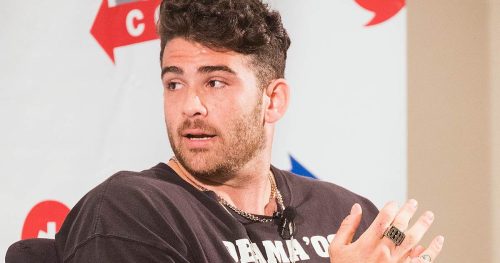
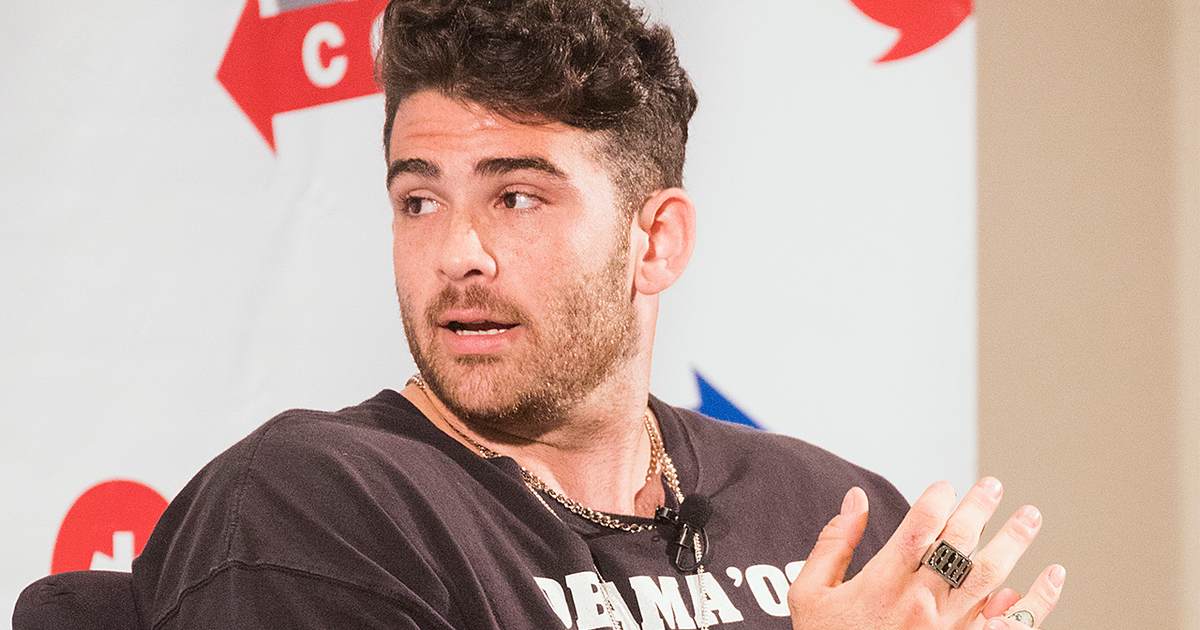
I began covering Democratic Socialist Francesca Hong with a bit of dark humor, joking I might end up in the gulag if she won. That joke landed differently once I heard Hasan Piker speak plainly about wiping out Republican influence in states like Wisconsin and Michigan. As someone who votes Republican in Wisconsin, those comments felt less like hyperbole and more like a political warning aimed at people like me.
Piker portrayed himself as an unofficial spokesman for a socialist wing of the Democratic Party and made a stark claim: that once his movement finishes its work, “A Republican will never be elected in this state ever again once our movement is done.” That line was part of a longer statement: “The reason why I brought up Michigan is because I think it was Michael Moore in 2016 who said Michigan’s not a swing state and neither is Wisconsin,” Piker said. “These are not swing states. They’ve been turned into swing states because they’ve left you behind but we are going to bring back the working class to both Wisconsin and to Michigan.”
Those are bold words coming from a public figure with a large platform, and they need to be taken at face value. Wisconsin and Michigan are often called swing states for a reason: recent elections show competitive results and shifting margins. President Trump won Wisconsin in 2024 with 49.7 percent of the vote and he carried Michigan as well, so declaring those states permanently out of reach for one party ignores recent voter behavior.
Beyond election math, Piker’s past rhetoric intensifies the concern. He has previously said, “Kill the motherf***ers! Let the streets soak in their red, capitalist blood!” Those are not coded words; they are violent imagery from a public commentator who celebrates revolutionary figures. He also appeared dressed like Mao at an event, invoking an icon responsible for mass deaths during his communist revolution.
Language matters, especially when it comes from influencers who galvanize young and energized audiences. Promises to “bring back the working class” can sound uplifting on the surface, but paired with threats against political opponents and praise for brutal historical figures, they become menacing. Voters have a right to know whether transformational rhetoric also implies intolerance for dissent.
https://x.com/RNCResearch/status/2084386639472648684
People who oppose this movement should not be dismissed as paranoid when they point to language that seems to promise political exclusion. It is natural for voters to ask what will happen to their rights and representation if one faction tries to cement permanent power. The idea that an entire party will never win again in a state is the kind of permanent solution that smells of partisan entrenchment, not healthy democratic competition.
Local control, free speech, and competitive elections are foundational to American politics, and seeing them threatened by calls for ideological purges is alarming. History offers stark examples of what happens when a political movement refuses opposition: institutions weaken, dissenters are marginalized, and freedoms shrink. Those are real stakes, not abstract warnings.
Republicans in these communities have reasons for concern beyond rhetoric: electoral maps, county-level trends, and state legislatures still show significant conservative strength in many places. Wisconsin’s Legislature, for example, currently features Republican majorities in both the state Senate and Assembly, reflecting a base that remains active and organized. Declaring those voters permanently irrelevant ignores the on-the-ground political structure and the voters behind it.
We should also ask questions about accountability when public figures move from entertainment and commentary into political advocacy. Influence carries responsibility, and when activists use inflammatory language it can escalate tensions rather than promote constructive debate. Voters deserve clear answers about what policy changes will look like and how civil liberties will be protected.
Ultimately, this is a fight over American political norms: whether elections remain contests between competing ideas or slide toward permanent rule by one faction. When a commentator with a large audience speaks about making a state permanently uncompetitive for one party, it is reasonable to treat that as a political warning and respond accordingly. Citizens should weigh rhetoric against history, institutions, and the facts of recent elections, and then decide how to act.