This article examines cancel culture’s double standard by contrasting high-profile punishments for past social media posts with the tolerance shown to Francesca Hong’s repeated, adult-era calls to abolish institutions like the Senate and the police.
A recent example shows someone losing a crown over decade-old posts that used the slur “ni**a,” and that case sits next to a long list of people whose lives were upended for statements made in youth. Those outcomes set a precedent that many expect to be applied consistently. Yet the response to Francesca Hong’s social media record exposes how selectively that standard is enforced.
Brittany Boltinhouse is an example most people know: she was stripped of her Miss North Carolina USA title after posts surfaced from about a decade ago. That episode echoes the case of Justine Sacco, who famously lost her job after a crude joke went viral while she was on a transatlantic flight. Those scandals taught conservatives that social media history can mean real consequences.
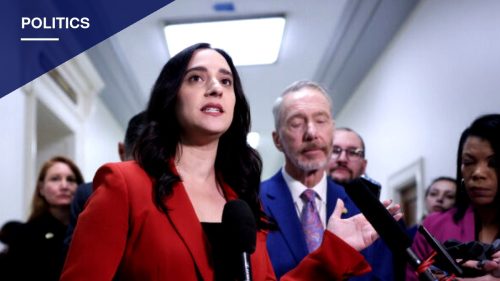
Francesca Hong, a leading Democrat primary contender for Wisconsin governor, has a string of public statements that are political and consequential, not youthful slips. The shorthand her defenders offer—calling them “bad takes”—is what she used to describe her own past posts. Her defense reads like apologetics for positions she promoted as an adult and as an active public figure.
Hong said, “You know, I was actually trying to become a sports journalist when I first went to college, so I learned then that you have some hot takes, sometimes bad takes, on Twitter and I let my feelings out into the world,” she said. That explanation softens the intent and the gravity of the comments, but it does not erase them. These were public statements attached to a public persona.
She wrote “Abolish the Senate.” on February 13, 2021, and again on March 6, 2021. Those are not offhand jokes; they are direct policy declarations that challenge the architecture of constitutional government. Repeating that demand as an adult lawmaker should trigger scrutiny, not excuses.
On October 8, 2021, Hong posted that “police exist to uphold white supremacy” after federal prosecutors declined to file charges in a high-profile use-of-force case. That line frames police broadly as an instrument of systemic racial control. As a potential governor, endorsing such a sweeping claim requires explanation and accountability.
On April 12, 2021, she pledged to “abolish the police state” and insisted that “reform has never been the answer to this system of harm.” That language signals a policy preference that is radical in modern U.S. governance. From her official account the same day she argued police “won’t stop responding with violence” and that police are “deeply rooted in maintaining a carceral system upheld by white supremacy.”
She added that “the priority can and only be to work to abolish the institution.” Those are explicit calls to dismantle law enforcement as an institution. Conservatives see the practical consequences: public safety, legal order, and basic law enforcement functions would be jeopardized. The rhetoric is not merely symbolic.
https://x.com/TiffanyWarRoom/status/2086941059347530133
At the time she made many of these posts she was 32 years old and born in 1988, which is not a youthful lapse easily waved away. That matters because the defense of youthful immaturity is often invoked unevenly depending on politics. When similar social media histories hit opponents, the left often demands consequences; in this case, many on the left look the other way.
The Democratic Socialists of America requires fidelity to a platform that includes police and prison abolition, and Hong sought endorsements and praise from aligned groups that celebrated her “commitment to police and prison abolition.” That endorsement followed a questionnaire and an interview earlier this year. Journalists and voters deserve direct answers about whether she still embraces those positions.
Conservatives argue there is a clear pattern: public statements with real policy implications should disqualify candidates who would implement dangerous agendas. Hong’s social media archive contains policy demands and sweeping condemnations, not private mistakes. For those worried about safety, taxes, and school choice, those posts are alarming.
Cancel culture has consequences, and accountability should not be selective or partisan. If the standard that removed crowns and jobs for past posts is real, it must be applied even when the target is politically powerful. Voters should see the full record and hear plain answers about what a candidate intends to do if elected.