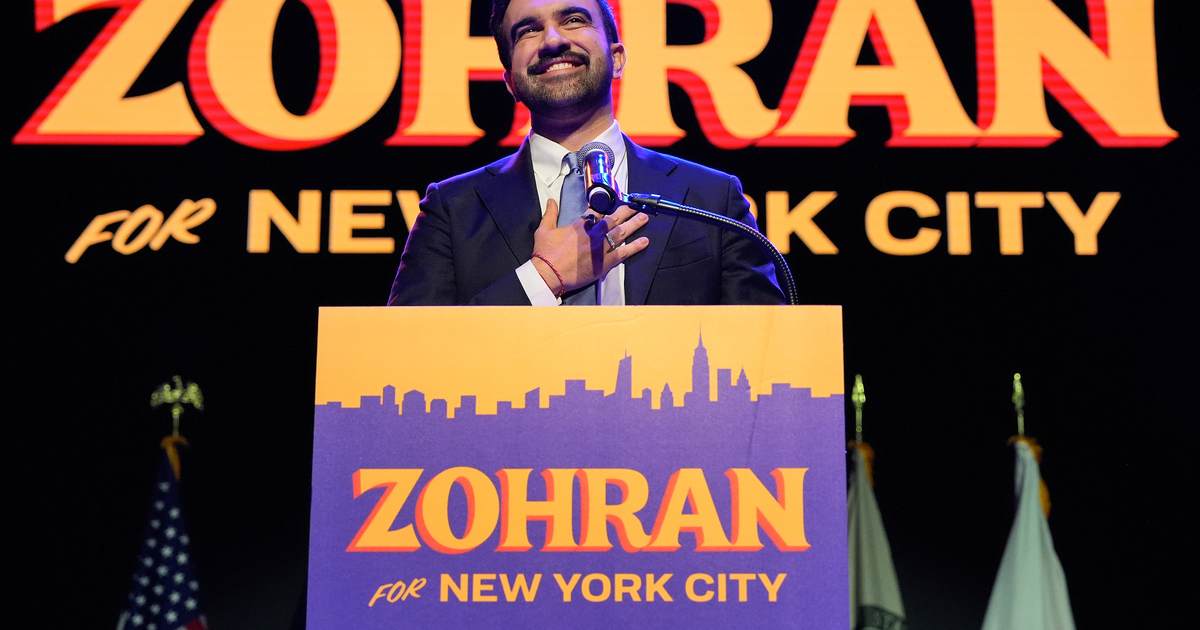
Zohran Mamdani skipped a City Council hearing about his controversial pied‑à‑terre tax, leaving homeowners, real estate professionals, and lawmakers to air complaints while the mayor’s office stayed absent and the rollout sowed confusion and fear.
When the Council convened for a three‑hour hearing on the pied‑à‑terre plan, no one from Mayor Mamdani’s office showed up to answer why a policy with massive consequences was pushed out with such little care. The room was filled with roughly thirty homeowners and real‑estate professionals who wanted straightforward answers about a chaotic rollout. Their testimony made clear the disconnect between city hall’s rhetoric and the realities facing property owners.
The administration released a searchable list of nearly one million property addresses and valuations that could be swept up by the proposal, and that move only amplified worry across neighborhoods. People saw their names and buildings flagged without clear notice or a reliable mechanism to correct mistakes. That kind of public exposure fuels anxiety and, in some cases, fear for personal safety.
Mayor Mamdani framed the tax as a way to target the wealthy, but the messaging overlooked the messy mechanics behind how properties are identified and labeled. New York is still raw from the December 2024 murder of UnitedHealthcare CEO Brian Thompson, and residents now worry that being listed could draw unwanted attention. When government recklessly publishes suspect lists, ordinary people pay the price for political theater.
At the heart of the problem is sloppy data and shifting rules. The city has tried to pin down taxable second homes using incomplete administrative records while legal definitions, deadlines, and valuation methods remain in flux. That instability means someone could be branded a target by mistake long before any proper adjudication occurs. Policy built on shaky data and political posturing is not governance; it is a recipe for error and harm.
https://x.com/EricLDaugh/status/2089738954979320101
The absence of the mayor or his representatives at the hearing only magnified those concerns and fed bipartisan frustration. Council members from both sides pressed for accountability as homeowners described sleepless nights and disrupted lives because of errors in the city’s list. Those firsthand accounts underscored how badly the rollout was mishandled and raised real questions about motives and competence.
The proposed tax aims at unoccupied second homes valued at $5 million or more and at co‑ops and condos priced at $1 million or higher, drawing legal challenges almost immediately. A judge temporarily blocked the measure before an appeals court stayed that order, allowing the city to push forward while the courts sort through the litigation. That legal back-and-forth has done nothing to calm homeowners who face uncertainty about whether they owe anything at all.
Despite promises about helping low‑income New Yorkers, the early result of this administration’s approach has been public shaming and punitive rhetoric toward property owners. That strategy plays well to a base but does real damage when policy decisions rely more on ideology than on careful administration. Targeting wealth for political points betrays the vulnerable people the city claims it wants to help.
Editor’s Note: New York City is now facing the consequences of Mayor Zohran Mamdani’s socialist takeover. The facts on the ground show a city office that prioritized a headline over a responsible launch, and residents are left navigating the fallout.
City leaders must restore basic transparency and due process: precise rules, accurate public records, and a clear path for property owners to contest mistakes without being exposed to the whims of political messaging. New Yorkers deserve a government that governs, not one that stages policy rollouts and disappears when questions come up. Accountability, not virtue signaling, is the minimum the public should expect.