Michigan’s Senate primary delivered a shockingly close result, a far-left nominee, and an opening for Republicans as the general election begins, punctuated by a hard-hitting line from former Rep. Mike Rogers.
Abdul El-Sayed emerged as the Democratic nominee for the U.S. Senate in Michigan after a razor-thin primary win, a result that surprised pollsters who expected a clear margin. His campaign carries baggage: past comments about 9/11 and associations with controversial figures have made many voters uneasy. What looked like a potential double-digit blowout turned into a 0.97-point squeaker, which tells you more about the candidate selection than the electorate.
Rural voters recoiled at a candidate perceived by many as sympathetic to anti-American rhetoric, and that reluctance bled into other corners of the electorate. The notion that a far-left nominee can easily carry the party’s base proved dubious in practice, as local dynamics and non-ideological concerns matter more than ideological purity. Democrats keep nominating candidates who excite a small slice of activists but alienate reliable blocs of voters.
Mallory McMorrow’s role in the primary added noise and confusion; even after she dropped out, her presence continued to reshape the race and likely siphoned votes that might otherwise have gone to Rep. Haley Stevens. Stevens also underperformed in her own backyard, failing to run up the score in Oakland County where Democrats traditionally lean on suburban turnout. Those local shifts matter in tight statewide contests and they help explain why this one stayed close.
https://x.com/JoshKraushaar/status/2084944087887532375
Black voters in particular have shown skepticism toward candidates who embrace radical ideas, which is part of why Bernie Sanders failed to convert primary enthusiasm into general election strength in his runs. Jewish voters and rural communities also figure prominently in Michigan’s electorate, and their discomfort with El-Sayed’s past comments is real and consequential. In short, the coalition Democrats hope will rally around radical nominees is anything but guaranteed.
There’s a clear messaging advantage for Republicans here: the opposition now has a target-rich environment to frame El-Sayed as out of step with mainstream Michigan values. GOP operatives can point to the narrow margin as evidence that Democrats misread the map, and use that to motivate turnout in places where cultural and security concerns run high. If Republicans run a disciplined campaign, this seat is winnable.
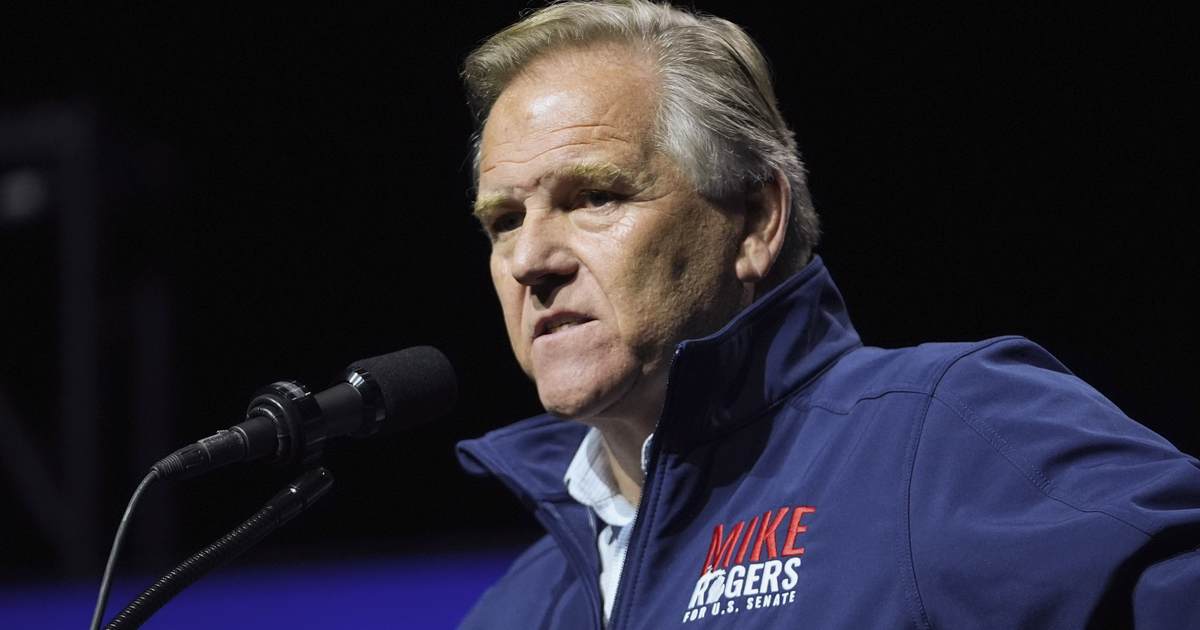
Former Rep. Mike Rogers didn’t waste time putting the contrast in stark terms as the general election phase kicked off, drawing on his national security credentials to underline the stakes. His line hit on both credibility and emotion, reminding voters of the seriousness of past threats while calling into question El-Sayed’s views. That kind of framing is tailor-made for swing voters who care about safety and patriotism.
I spent years hunting terrorists and bringing Osama bin Laden to justice. Never in a million years did I think that I would be running against someone who believes America deserved 9/11.”
That quote lands because it contrasts lived experience with rhetoric, and voters notice when one side’s champions have real-world records while the other side elevates provocative voices. The general election will be a referendum on judgment, not just ideology, and that benefits candidates who can tie extreme statements to practical consequences. Expect messaging around national security and values to dominate the early fall airwaves in Michigan.
If Republicans can flip this seat, the implications go beyond one race: it would expose internal tensions in the Democratic coalition and reward a GOP strategy that emphasizes swing voters and unease with the far left. Winning here would help protect or expand Republican control in the Senate, making this contest strategically important for both parties. Michigan voters will decide if they want electability or an ideological experiment.
This primary result is a reminder that nominating uncompromising, fringe-friendly candidates carries risks for any party. It’s also a warning shot for Democrats who think energized activists alone can carry the day in statewide elections. For conservatives watching closely, the path forward is clear: keep sharpening the contrast and make every vote count in places where Democratic overreach opened doors.