Michigan’s Democratic Senate nominee eked out a narrow primary win amid controversy, setting up a bruising general election headed into a fight over national security, voter coalitions, and party direction.
It’s over. Abdul El-Sayed is the Democratic nominee in Michigan, but his victory brought more headlines than celebration because of past remarks and associations that many voters find alarming. He has faced scrutiny for comments about 9/11 and for ties to polarizing online figures, and those issues clearly mattered to sizable pockets of the electorate. That context matters as the race moves into the general election phase.
Polls had painted a much easier path for Democrats, forecasting a double-digit win for their nominee, yet the final margin landed at just 0.97 points. That slim result suggests a serious gap between elite expectations and what voters actually want. Rural Michigan in particular seemed reluctant to back a candidate perceived as soft on American security, and turnout patterns showed fissures that could haunt Democrats in November.
This result handed Republicans a messaging gift. The left celebrated that their preferred candidate cleared the primary, but the narrowness of the win exposed real weaknesses. Mallory McMorrow’s late involvement and the dynamics inside Oakland County didn’t help the Democratic operation, and the party’s drift toward radical ideas is starting to alienate some suburban voters who used to be reliable. From a Republican perspective, that opens an opportunity to frame the general election around competence and national security.
https://x.com/JoshKraushaar/status/2084944087887532375
Black voters, who once helped elect outsiders like Bernie Sanders only when the message connected, were not uniformly behind El-Sayed this time, a point Democrats should not ignore. Jewish and rural voters also represent key blocs in Michigan and have shown skepticism about his candidacy. That coalition of voters could be decisive if Republicans keep their focus and mobilize on the issues that matter to those communities. Some supporters of Haley Stevens might even cross over or sit out, shifting the balance further.
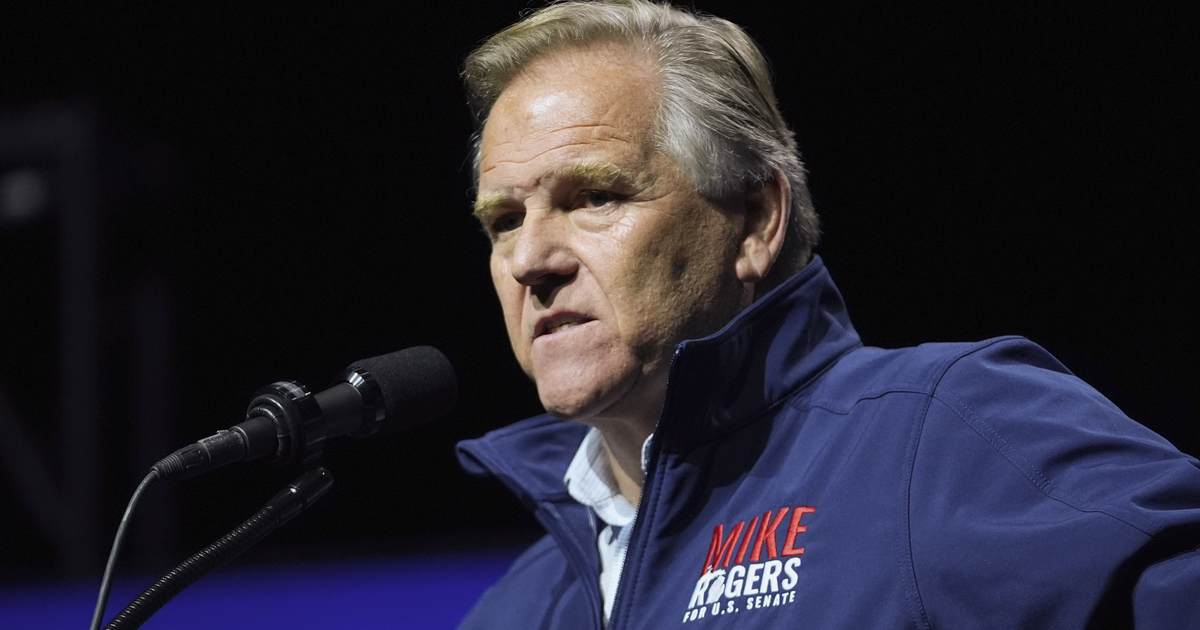
Former Republican Rep. Mike Rogers landed a line that sets a stark tone for the general election effort. His military and counterterrorism background gives his criticism extra weight and makes the contest about more than usual partisan talking points.
I spent years hunting terrorists and bringing Osama bin Laden to justice. Never in a million years did I think that I would be running against someone who believes America deserved 9/11.”
That quote will be replayed, debated, and used to define El-Sayed for many voters who care about national defense and moral clarity. If Republicans run a disciplined campaign that emphasizes experience, law and order, and national security, this seat is very much within reach. Flipping it would not only be a tactical win but would also force an internal Democratic reckoning over candidate selection and messaging.
The broader consequence would be maintaining Republican leverage in the Senate and shaping the national agenda heading into the next cycle. Democrats installed a nominee who energizes their base but also hands opponents a potent line of attack, and that contradiction creates real risk for them. Campaigns are about momentum and narrative, and right now the storyline favors challengers who can point to unease among key voter groups.
Republicans should treat this as a clear signal: contest the seat aggressively, target the swing voters who abandoned the primary nominee, and keep the focus on competence and national security. The general election is where coalitions are built or broken, and this particular primary outcome gives GOP strategists valuable material to work with.