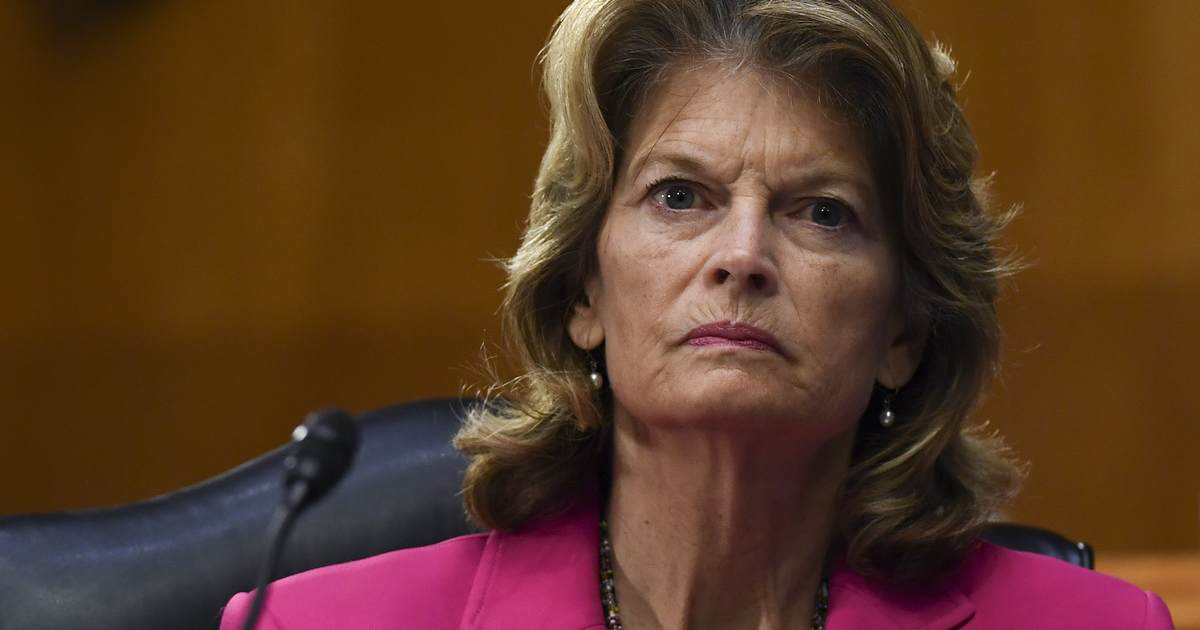
Sen. Lisa Murkowski pushed back after James O’Keefe released a sting video about voting in Alaska, and the fallout has centered on how election rules are applied and whether common-sense ID safeguards are being enforced.
James O’Keefe’s latest video shows him voting in Alaska using his brother’s registration, which has triggered a political argument over how voter rolls and identification rules are handled. The controversy reopened debates over election integrity, and whether lawmakers who claim to support reforms are actually pushing for change.
The clip reveals O’Keefe voting under the name of Brian Murkowski, who now lives in Texas, after telling poll workers he had left his wallet in the car. Poll workers allowed the ballot to be issued despite O’Keefe having no identification on hand, and the episode raises questions about how easily a voting system can be exploited when names remain on local rolls after people move away.
Republicans point out that a simple requirement for proper ID at the polls would make incidents like this far less likely, and many voters say they expect basic verification as a matter of course. The SAVE America Act was mentioned as a package that includes multiple election-integrity measures, and critics wonder why support for practical steps often falters when political pressure mounts.
Murkowski’s office later weighed in, reminding the public that “voter impersonation is a crime.” That line underscores the legal reality, but it did little to quiet the political noise, since opponents argue enforcement and rules matter just as much as statements.
https://x.com/JamesOKeefeIII/status/2090542918193074566
For critics on the right, the response from Murkowski felt measured but insufficient, especially to voters who believe stronger safeguards are overdue. When allegations involve people who have moved off the rolls or when poll workers are allowed to rely on loose verification, it feeds distrust among citizens who want elections conducted fairly and transparently.
The episode also exposed a broader tension in Washington: some senators endorse election-integrity language in principle but balk when enforcement affects perceptions or catches headlines. That gap between rhetorical support and practical policy is what frustrates reform advocates, who say laws mean little without consistent application.
Meanwhile, the political optics are harsh for those who champion integrity selectively. Constituents who press for ID checks are usually dismissed as alarmist by opponents who fear the political impact of tighter rules, yet the sting video illustrated how simple lapses can create bigger headaches for trust in outcomes.
The debate extends beyond this one sting to larger issues like maintenance of voter rolls, residency verification, and procedures for absentee or mail-in ballots. Fixes are procedural and straightforward in many cases: update the rolls regularly, require reasonable identification, and train poll workers to follow consistent protocols so exceptions don’t become loopholes.
Critics also note that enforcement must be equal across the board; selective scrutiny or inconsistent applications of rules erode confidence. When officials stress the harm of impersonation in words but do not back it with tough, uniform procedures, voters rightly ask whether the rules are for everyone or only convenient in some contests.
Editor’s Note: Republicans are fighting for election integrity by requiring proper identification to vote. It’s common sense, yet Democrats are spreading lies about the impact of such a measure.