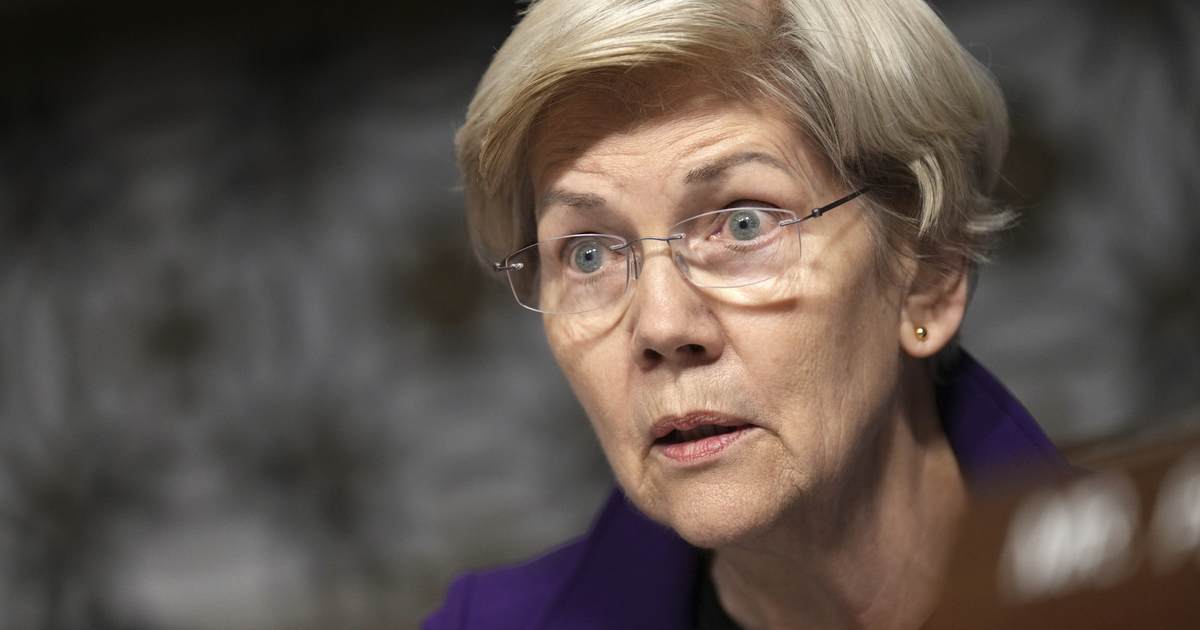
This article examines Elizabeth Warren’s take on rent, explains why landlords raise prices, and lays out how government policies and market forces shape housing availability and quality.
Progressives keep proposing fixes that ignore basic economics and real-world incentives, and that disconnect shows up in debates about rent. When politicians push policies that punish or push out private landlords, the result is less investment in housing and fewer units for renters. That alone helps explain why rent stays high even when the rhetoric promises relief.
Government-run housing often sounds compassionate until you see how it operates. Publicly managed buildings in many cities have been reported as rundown, poorly maintained, and slow to respond when urgent repairs are needed. Those problems persist even when tenants expect lower costs because maintenance and capital expenses do not disappear.
Repairs, appliances, routine upkeep, and upgrades like paint or carpeting all cost money and require management that responds quickly. If the private owner is driven out by hostile rules or price controls, someone else will have to pay or the building will deteriorate. History shows government control can produce long-term neglect rather than reliable, quality housing.
Senator Warren has been challenged on why landlords raise rents and how supply reacts to demand. The basic economics are straightforward: when there are more renters than available apartments, prices go up. Policies that make building harder, such as restrictive zoning and slow permitting, shrink supply and push rents higher for everyone.
Allowing large numbers of undocumented immigrants to settle without clear housing strategies also increases demand, and government programs that subsidize rents at inflated levels can distort market signals. A real-world example helps make the point: a modest apartment that once rented for $700 was sold to a management firm and later listed for $1,100, after which the landlord began accepting Section 8. Those shifts change neighborhood dynamics and long-term affordability.
Not every landlord is a wealthy magnate. Many property owners are middle-class families who rely on rental income for retirement or to pay mortgages and support children. Labeling all landlords as greedy ignores the reality that most carry loans, handle emergency repairs, and manage the day-to-day costs of keeping a home habitable.
https://x.com/SenWarren/status/2085048353021178022
When policy treats landlords as villains and tightens rules on development, the predictable response is less building and less maintenance. Rent control laws, in particular, can freeze incentives for new construction and lead existing owners to reduce investment in upkeep. Over time, supply constriction becomes the dominant force raising prices, not sudden waves of greed.
Government-run complexes often become low-quality over time because political accountability and budget constraints replace market incentives. That can turn a well-intentioned safety net into a cycle of deferred maintenance and tenant dissatisfaction. Residents frequently face longer waits for repairs and fewer amenities than in privately managed properties.
“She admits it herself. There are not enough homes. Then she skips the only question that matters. Why? Zoning that bans apartments, permits that take years, rent controls that punish building. Every one a government policy she supports. The shortage is her movement’s own construction project. And the greed theory fails arithmetic. If landlords raise rents just because they can, why couldn’t they a decade ago? Greed is a constant. Supply is the variable. The landlord provides the home, carries the mortgage, fixes the refrigerator. Remove him and her constituent is not liberated. She is homeless,” the user wrote.
That blunt user critique captures the central contradiction: many policies pushed as remedies actually reinforce the scarcity they intend to fix. If rules make development slow and expensive or if returns on investment are capped, fewer developers and small owners will risk the effort needed to increase housing stock. The math is simple and consistent across markets.
Policy debates should focus on clearing bottlenecks that prevent building, fixing permitting processes that add years to projects, and reconsidering measures that blunt investment incentives. At the same time, public programs need clearer cost controls to avoid inflating market rates through subsidies that outbid private renters. Practical reforms will require confronting the incentives politicians often ignore.
Meanwhile, caricaturing landlords as uniformly wealthy misses the human side of property ownership and the practical costs of managing homes. Responsible policy should protect tenants while preserving the ability of responsible owners to maintain and improve properties. That balance matters if the goal is more housing that is safe, clean, and affordable over the long run.