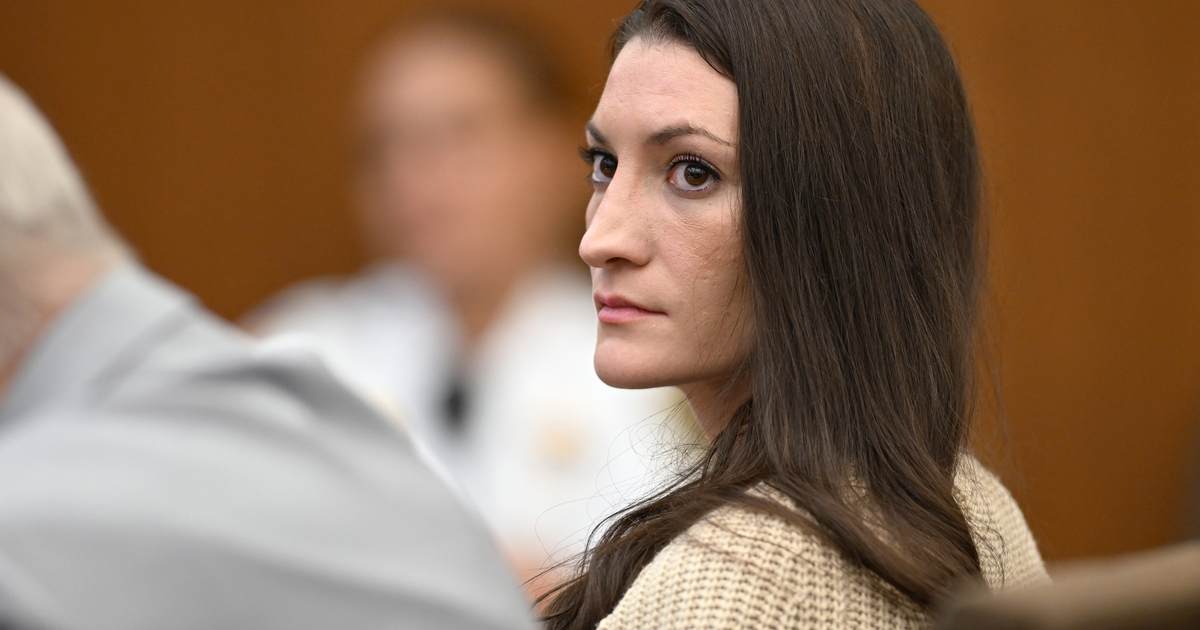
Coverage of the Lindsay Clancy trial turned quickly into a conversation about race, gender, and the optics of wealth and attention; a mistrial was threatened as jurors failed to reach a unanimous verdict, and an emergency appeal to the state supreme court was filed as the defense pushed back against a mistrial declaration.
You knew the media reaction would come fast and loud once the jury stalled in the Lindsay Clancy case. The courtroom drama, the emotional fallout, and the public debate over responsibility and mental illness all collided in real time. That mix produced sharp takes about who gets sympathy, who gets resources, and why certain stories dominate headlines.
At the center is a legal situation that shifted suddenly when a judge prepared to declare a mistrial because the jury could not agree. Defense lawyer Kevin Reddington moved quickly to seek relief and even asked for an emergency stay from the state supreme court. While that appeal proceeds, the legal future of the case is uncertain and the practical question of whether the case will be refiled hangs in the air.
Washington bureau chief Tia Mitchell weighed in on the optics and what she sees as the broader cultural angle tied to this case. Her comments focused on race, gender, and access to resources — and how those factors can shape public perception. The suggestion was that fundraising, attention, and identity influence both coverage and reaction to high-profile criminal cases.
https://x.com/townhallcom/status/2095898091123536191
We can‘t ignore the nuance of race, not just gender. We can‘t ignore the optics of why does this trial draw so much attention when there are other things we could be focusing on? At the end of the day, when you talk about who gets to raise $1 million when they‘re accused of killing three children, we just can‘t ignore some of those optics and dynamics.
That perspective is one way to read a case that people across the country have consumed in different ways. Some viewers see a tragic tale of mental illness and lost lives; others see failures in judgment and accountability. The debate often becomes a proxy fight over explanations, and that has driven much of the commentary outside the courtroom.
Public sympathy and social media conversation broke down along predictable lines, with many users expressing strong empathy for Clancy while others demanded strict accountability. A steady stream of videos and commentary, particularly across short-form platforms, amplified competing narratives. Those online currents fed the sense that the trial had become as much a cultural event as a legal proceeding.
The factual spine of the case remains unchanged: Lindsay Clancy stands accused of killing her three children in January 2023 using exercise bands. The charges included first-degree murder, second-degree murder, involuntary manslaughter, and a potential verdict of not guilty by reason of lack of criminal responsibility. Jurors were tasked with weighing culpability, mental health claims, and the available evidence against those counts.
As the judge prepared to call a mistrial because of the lack of unanimity, Reddington asked that the jurors be sent back to deliberate and later invoked a state law that allows the supreme judicial court to correct or prevent errors in lower courts. The appeal referred to the law’s grant of “general superintendence” and framed the situation as a last-ditch legal maneuver to avoid a mistrial. The defense has a limited window to file that emergency appeal and the clock has started ticking.
Just as the judge was about to formally declare a mistrial in the murder trial of Lindsay Clancy on Friday morning, her lawyer made an extraordinary appeal for an emergency stay.
It was a last-ditch effort. The judge, William Sullivan, had just announced that he planed to declare a mistrial because the jury had failed come to unanimous agreement on a verdict.
Ms. Clancy’s lawyer, Kevin Reddington, asked the judge to send the jurors back to deliberation, but that request was denied. A minute passed, and just as the jury was on its way into the courtroom, Mr. Reddington stood up again to try something else.
Referring to the situation as a “travesty,” Mr. Reddington appealed to a Massachusetts law that establishes the “general superintendence” of the state’s supreme judicial court and calls upon it to correct or prevent errors in the lower courts, as long as “no other remedy is expressly provided.”
If the mistrial is formally entered, the Plymouth district attorney’s office has signaled intent to refile charges. The prospect of another trial raises immediate questions about the defendant’s ability to endure a second full process, and the defense has already warned about the toll this litigation has taken. Those practical concerns now intersect with procedural options and prosecutorial discretion.
The case has also produced intense public discussion about postpartum mental illness, medication, and the broader role of mental health defenses in criminal trials. Experts and advocates have attempted to parse how mental health claims should factor into legal responsibility, while critics argue that some defenses risk minimizing harm to victims. That debate is likely to continue as the legal process unfolds.
For now, the clock is running on the emergency appeal and the next legal steps will determine whether jurors return, the case is retried, or other procedural routes are pursued. Meanwhile, the conversation outside courtrooms — about race, gender, money, and media attention — will keep shaping how people interpret each development in this deeply felt case.