WNBA leadership is changing after a turbulent season marked by discipline controversies, public disputes over transgender policies, and criticism of the commissioner’s handling of both.
The WNBA announced that Cathy Engelbert will step down at the end of the calendar year, a decision that closes a rocky chapter. The move follows a season full of headlines and public backlash that left fans, players, and partners frustrated.
What defined the season was a string of incidents that made the league look unsettled. High-profile actions were handled inconsistently, and the leadership’s responses often seemed reactive rather than decisive.
One flashpoint was the decision to issue a one-game suspension to Phoenix Mercury’s Alyssa Thomas after an on-court altercation with Indiana Fever’s Caitlin Clark. That call, and how it was communicated, forced the NBA to weigh in publicly and highlighted questions about who really sets standards for the league.
Adam Silver’s involvement underscored a simple reality: the WNBA depends on the NBA for institutional support, and when the NBA commissioner has to step in, it undercuts local leadership. That kind of oversight is understandable, but it also signals a failure to manage predictable crises internally.
https://x.com/stoolpresidente/status/2095887788264604049
Off-court matters added fuel to the fire. A controversy around transgender athletes in women’s sports escalated into public arguments and media standoffs, making the season about more than basketball. The debate spilled into boardrooms and press cycles, and leadership struggled to present a clear, consistent position.
At one point, the league convened a meeting described as an attempt to answer the question “what a woman is,” and attendees reportedly left without a firm conclusion. That moment captured the larger problem: the organization was trying to thread a needle on identity and competition without a coherent policy or messaging strategy.
Engelbert’s media strategy raised eyebrows as well. Skipping scheduled interviews and avoiding hard questions fed perceptions that the office was out of its depth. When leaders duck scrutiny, critics interpret silence as an admission of poor judgment.
The retirement announcement was framed as the end of a tenure that saw significant growth for the league, and there were official nods to progress in attendance, sponsorships, and visibility. Still, accomplishments on paper did not erase the season’s chaos or the damage to the league’s public image.
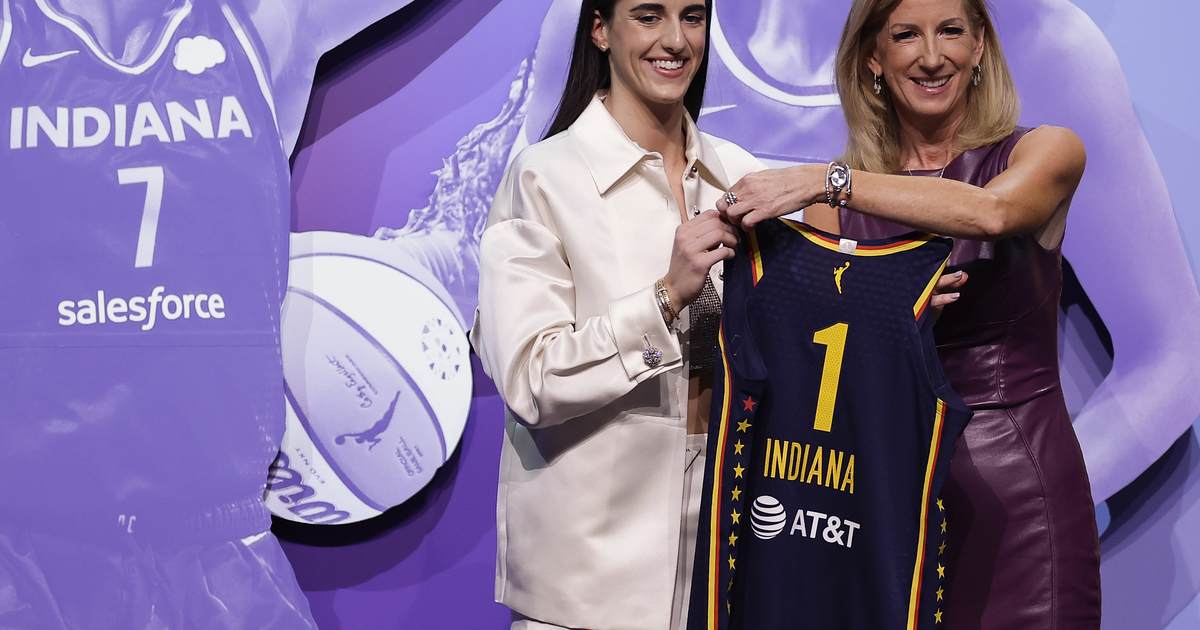
WNBA Commissioner Cathy Engelbert is retiring at the end of the calendar year.
Engelbert was the first-ever WNBA commissioner in league history, serving in the role for seven years. The news was announced by NBA commissioner Adam Silver.
“Cathy has presided over the WNBA through the most significant period of growth in the league’s 30-year history,” Silver said in the WNBA’s statement. “We are grateful for Cathy’s leadership and unwavering commitment to the advancement of women’s basketball.”
The timing of her retirement comes after a year full of controversy in the WNBA. Indiana Fever’s Sophie Cunningham’s comments about trans athletes in women’s sports and the treatment of Caitlin Clark have been the dominating storylines throughout this season.
The contrast between business success metrics and cultural turmoil made the transition inevitable. Sponsors and partners care about stability and clarity, not just rising numbers on a spreadsheet. When off-court controversies threaten to overshadow growth, stakeholders demand a reset.
Some observers compared this kind of exit to the tech of PR-friendly language that disguises a forced parting. The phrase “retiring” can be a soft landing for someone leaving under pressure, and critics will parse timing and context for signs of whether it was voluntary.
Fans and commentators will watch the search for a replacement closely, expecting someone who can manage both the business and cultural sides of the league. That balance requires firmness on rules, a clear communications plan, and the ability to handle heated national debates without looking like a deer in headlights.
For the WNBA to move forward, new leadership must restore confidence across the board: players want fair, consistent discipline, partners want predictable stewardship, and fans want the sport to be the focus. The next commissioner will inherit growth and money, but also the task of healing credibility gaps.
Whatever happens next, this season will be a case study in how leadership choices shape public perception. The league’s future depends on picking someone who combines operational skill with the courage to make tough calls and stick to them.