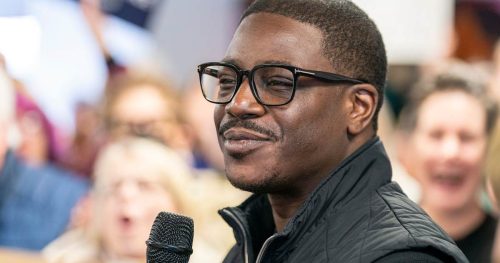
David Crowley promises a “Wisconsin that works for all.” This piece lays out why his record and proposals worry fiscal conservatives and working families, focused on taxes, union rollbacks, universal handouts, and economic fallout for the state.
David Crowley says he wants a “Wisconsin that works for all.” The plain reality from his time as Milwaukee County Executive is a steady pattern of higher local taxes and expanded spending. Residents saw property taxes rise five of six years, and the one year without a property tax hike came with a higher county sales tax that ranks among the highest in the state.
What Crowley calls a broad vision translates into familiar left-wing fixes: undo Act 10, push higher minimum wages across the board, and flirt with universal basic income. Those moves read like a back-to-work plan for unions and an open checkbook for new entitlement-style programs. For taxpayers who already juggle bills, it looks like more cost and less accountability.
Act 10 wasn’t just a political target; it delivered real savings for local budgets by shifting more retirement and health costs to unions and reducing taxpayer exposures. Repealing it would reverse those gains and hand leverage back to public-sector unions without promising better results. That shift would mean higher costs for schools, counties, and homeowners who are already stretched thin.
On universal basic income, Crowley was vague, saying he supports the idea but offering few specifics on funding or eligibility. The concept sounds generous until you map the math to a state budget that already relies on a narrow tax base. Without clear offsets, UBI risks becoming another unfunded promise that squeezes middle-class families.
https://x.com/DavidCCrowley/status/2094439846425018574?ref_src=twsrc%5Etfw
Wisconsin has only seven billionaires living here, so the question of who will pick up the tab matters. If the state hikes top taxes and those wealthy residents leave, the revenue gap won’t vanish—it will land squarely on the shoulders of the middle class and small businesses. That’s basic economics: you can’t tax your way to broader prosperity without chasing away capital and jobs.
The result is predictable: working families could face higher living costs and heavier tax bills while public spending climbs. Many households would need extra income just to keep pace, not because they chose a different lifestyle but because policy changed the rules. At the same time, government would be expected to cover more with no clear plan for sustainable funding.
Outside Milwaukee, 71 counties won’t react kindly to a plan that centralizes giveaways and pushes costs upward statewide. Local economies vary, and a one-size-fits-all approach from the state capital often produces unintended fallout for rural and suburban communities. Saying a policy will “work for all” doesn’t make it adaptable to places with different tax bases and labor markets.
When policies make taxes and costs climb, people vote with their feet. Families and businesses can move to lower-tax states or regions that prioritize economic growth, shrinking the base that funds schools and services. That exodus accelerates budget stress for the places left behind, creating a downward spiral that’s hard to reverse.
Milwaukee County residents already know the consequences of expanding county programs without matching revenue reforms and performance expectations. The experience on the ground shapes skepticism about big promises from the state level that lack clear accountability. Voters watching these trends are rightly asking whether new spending will deliver value or simply grow government.
Editor’s Note: The 2026 Midterms will determine the fate of President Trump’s America First agenda. Republicans must maintain control of both chambers of Congress.