Researchers and regulators have taken a notable step against Alzheimer’s with a therapy that targets brain plaques, and a patient case shows those plaques can disappear and cognitive function can recover, while a new home-use option has also been cleared by regulators.
In mid-July the FDA approved Leqembi, a series of injections designed to remove the amyloid plaques that build up in the brains of people with early Alzheimer’s. Those plaques are widely believed to drive memory loss, behavioral shifts, and the progressive decline that marks the disease. The approval marks a shift from experimental treatments toward therapies aimed directly at the underlying biology.
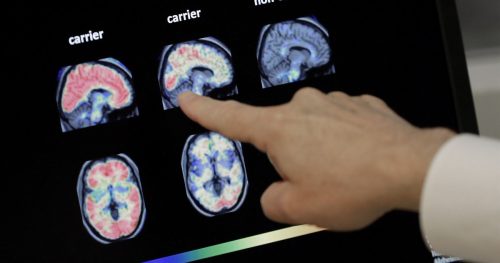
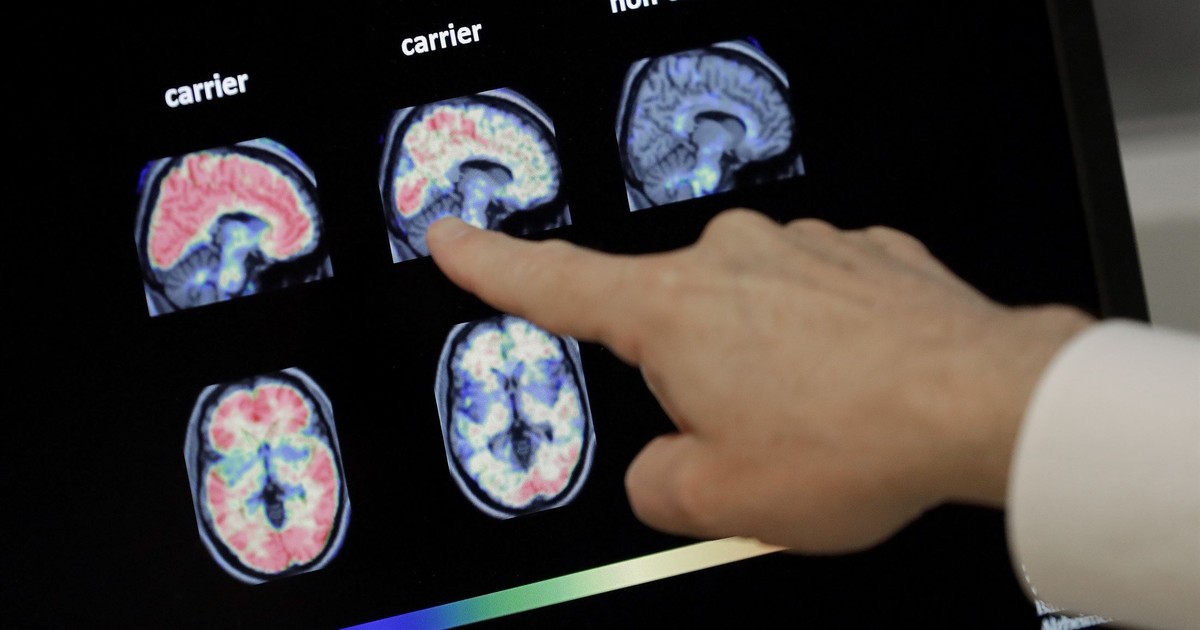
One real-world example has drawn attention: Gail Youngsdale was enrolled in a trial when Leqembi was still experimental. Doctors identified nine distinct spots of plaque in her brain and administered targeted injections intended to clear them. The scans and clinical notes on her case offer a tangible look at what plaque reduction can mean for a patient’s life.
Now? They’re gone and Gail has gotten married and gotten most of her memory back.
Every single spot of plaque is gone. Her case suggests targeted anti-amyloid therapy can deliver dramatic, measurable changes in brain imaging alongside meaningful functional gains.
Below is an excerpt that describes the patient journey in more detail and the family perspective on what participation in a landmark trial meant for them.
https://x.com/SomeBitchIIKnow/status/2095628436618272878
After being diagnosed with mild cognitive impairment and later early Alzheimer’s disease, Gail Youngdale feared what the future might hold. She’d seen the devastating effects of the disease on her own mother years ago. Seeking options, she enrolled in a landmark clinical trial for a therapy designed to remove toxic amyloid plaques, a hallmark of Alzheimer’s disease, from the brain.
Her daughter, Teri, served as her clinical trial study partner—attending every appointment, supporting Gail through the process, and learning as much as she could about Alzheimer’s and her own genetic risk of developing the disease.
“After she was diagnosed with Alzheimer’s, I saw the fighter in my mom come out. She inspired me to take my own brain health seriously,” Teri said.
Today, Gail continues treatment with the now FDA-approved medication for early Alzheimer’s disease and has been able to maintain her independence and quality of life. She even found a second chance at love after reconnecting with her high school sweetheart.
Stories like Gail’s fuel cautious hope across neurology clinics and caregiving communities. A cleared scan does not erase years of damage in every patient, but it changes the conversation from inevitability to possibility. Clinicians will still weigh benefits against risks and costs while monitoring long-term outcomes.
Alzheimer’s remains a devastating condition that robs people of identity and time, and any advance that can slow or reverse aspects of it deserves sober attention. Families and caregivers face enormous emotional and financial burdens during the long arc of decline that many patients experience. Progress in treatment options matters because it can change trajectories for patients and ease the strain on those who care for them.
This writer lost an aunt to the disease. She developed symptoms in 2007 and died a decade later. Watching that decline firsthand shapes how I read reports about new therapies and why stories of improvement hit hard on a personal level.
In Gail’s case, imaging and clinical change lined up in a way that looks hopeful. Her recovery of memory and return to day-to-day independence underline the potential for targeted therapies to affect quality of life. Still, single cases do not make a rule and broader evidence will determine how widely such results repeat.
It would be a true breakthrough if targeted plaque removal consistently produced meaningful cognitive recovery in patients diagnosed early. Regulators also cleared a subcutaneous injection for home use, which could expand access and convenience for some patients who can safely receive it outside a clinic setting. That home-use approval raises questions about training, monitoring, and equitable access that clinicians and policymakers will need to address.