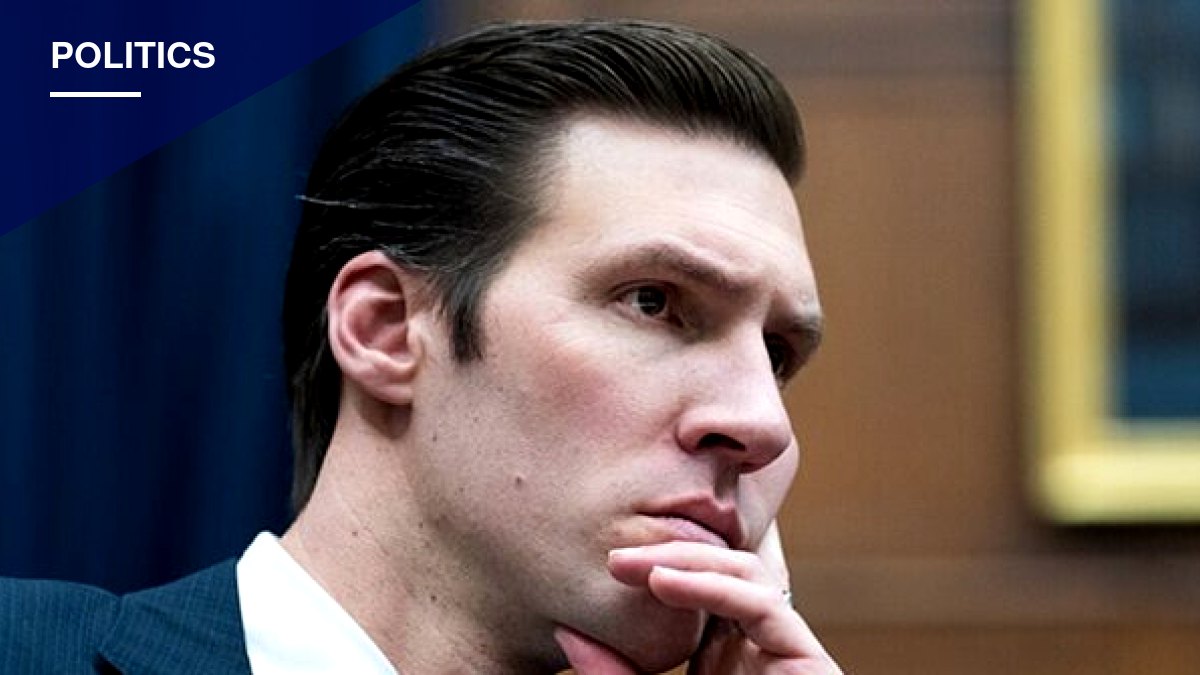
Republican Rep. Pat Harrigan of North Carolina says the departure of Army Secretary Dan Driscoll amid an ongoing overseas conflict deserves attention but has been overstated by news coverage.
Speaking Friday on C-SPAN’s “Ceasefire,” Harrigan said reports of tension between Driscoll and Defense Secretary Pete Hegseth are not unfounded, but he cautioned against reading too much into the timing.
“I think there’s no concern that there’s been a lot of tension at the top between Secretary Hegseth and Secretary Driscoll,” Harrigan said. “I might be the only person on Capitol Hill that has a really strong relationship with both, and I think it is concerning whenever we have a shakeup at the top when we’re actively engaged in a conflict overseas.”
Harrigan noted that without confirmed leadership at the Army’s top, and given potential difficulties the Pentagon could face getting replacements confirmed, the service could go without a confirmed secretary for an extended stretch. He called that scenario “problematic.”
Still, he pushed back on the broader media narrative surrounding the exit. “I wouldn’t lean too much into what the media has been saying about what this connotates for future impacts to the overall apparatus and operation of the Pentagon,” he said, pointing out that the average tenure for a service secretary is 22 months. Driscoll served 18 months and was confirmed later in the process than most.
“That being said, I think that this is a little bit overblown in the media, because you have these transitions that happen during administrations,” Harrigan said. “But it is certainly something that we need to watch, that it doesn’t move from an incipient problem to something that’s larger.”
Two Views on Military Leadership
Harrigan framed the disagreement between the two officials as a genuine debate over what ails the military’s leadership ranks. He said Hegseth believes the armed forces lack sufficiently high-quality leaders, while Driscoll has argued the deeper issue lies in the structure surrounding combatant commanders, which can produce the appearance of weak leadership even when it isn’t the root cause.
“My personal opinion is, both of them are actually a little bit right,” Harrigan said. “I think Pete has a lot to offer this country, and I think he’s offered it a lot and I think he’s got a lot more left to offer. I think Dan has a lot more to offer the country and now he’s, unfortunately, stepping away from his role. I think that’s, overall, a loss for the country.”
Harrigan also said stability at the top of the Pentagon needs to be the priority. “We need stability, and we’ve got to get stability at all costs,” he said, echoing Hegseth’s concerns about the politicization of military leadership.