Getting a facelift at the right time matters just as much as getting a good result, according to Beverly Hills plastic surgeon Dr. Terry Dubrow, who says patients are increasingly making the call too soon or waiting too long.
Speaking on Josh Peck’s podcast “Good Guys,” Dubrow said some women in their 30s are pursuing facelifts before they actually need one, partly influenced by celebrities going public with their results.
“For those people in their 30s who want some skin tightening, they need to wait, ’cause there will be the technology that will allow early facelifts without cutting,” he said.
Dubrow specifically pointed to Kris Jenner’s recent facelift as a moment that shifted public perception of the procedure.
“That made facelifts like, ‘Oh, Kris Jenner did it and made it public. Now it’s cool. Everybody get a facelift,'” he said.
He said that shift has brought younger patients into his office asking for surgery they don’t need.
“So then you’re seeing 38-year-old people in your office wanting a facelift, and you go, ‘OK, hold on a second. You don’t even need a facelift. You need to wait, because, you know, a facelift is incisions, and scars, and elevating up the skin, numbness, and all sorts of potential things that can go wrong.”
Dubrow also warned that getting facelifts too frequently can create its own problems as skin ages further.
“When it starts to relax, it can relax in weird ways. You’ve all seen it – people who look pretty good, but there’s something about the way their skin lies on their face that looks unnatural, and it ruins the whole look,” he said.
His advice to younger patients considering surgery based on celebrity results: “If you have early laxity, don’t go in for your ‘Kris Jenner facelift.’ Still wait, because that technology is just around the corner.”
Waiting too long has its own risks
On the other end, Dubrow said patients who delay surgery for years by relying on nonsurgical treatments can also end up worse off.
“A lot of women are staying on the ‘nonsurgical treadmill’ for too long,” he told Fox News Digital. “They keep adding filler, lasers and tightening treatments, when the real problem is that the deeper tissues have dropped.”
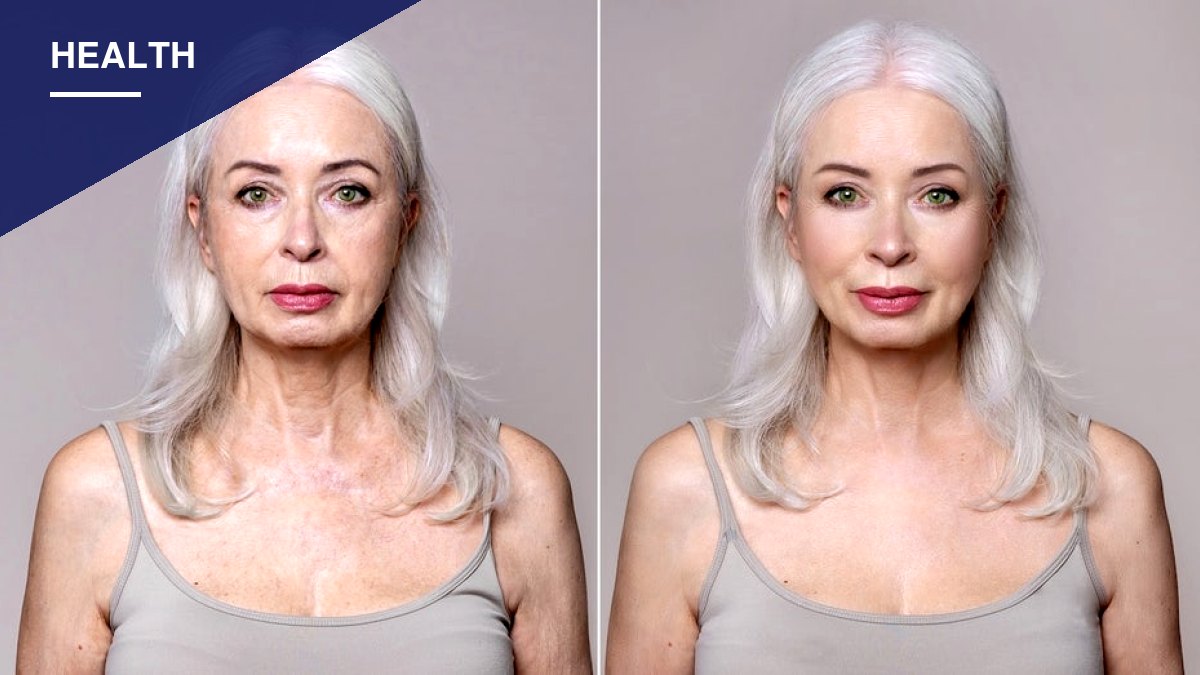
As skin loosens over time, the underlying tissue drops further, which can mean more extensive surgery is eventually needed. “My feeling is that once those treatments stop producing a natural result, continuing to postpone surgery can actually make you look less natural,” Dubrow said.
That doesn’t mean nonsurgical options are pointless, he said. “Fillers, lasers and tightening treatments can buy you time when they are used intelligently – but fillers cannot lift sagging tissue, and too much filler can make someone look distorted.”
He also cautioned that aggressive energy-based treatments can scar tissue beneath the skin, complicating any surgery down the line. “Ask whether a treatment is truly delaying a facelift or just delaying the decision,” he said.
No single right age
Dubrow said there’s no universal age at which a facelift produces the best results. “For some women, it is their late 40s. For others, it is their 50s or 60s,” he said. “It comes down to genetics, skin quality, and what is happening along the jawline and neck.”
He noted that advice can vary by specialist, since each tends to view timing through the lens of the treatments they offer. “A dermatologist may explain what can still be accomplished without surgery, and a board-certified plastic surgeon can tell you when those options have reached their limit … and when it is time to actually reposition the anatomy,” he said.
His recommendation: get more than one opinion. “The right time should be based on your face, not the doctor’s menu,” Dubrow said. “Choose what makes sense for your anatomy, your goals and your tolerance for surgery. The best facelift is the one nobody knows you had, but the best advice often comes from hearing more than one point of view.”