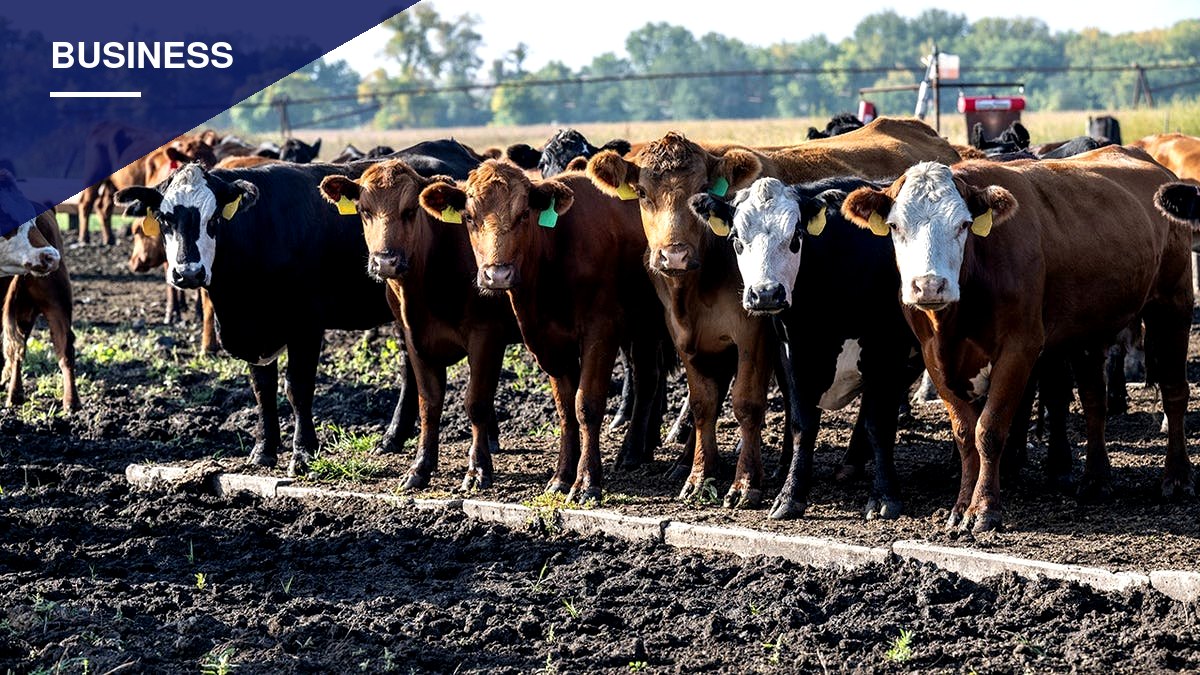
Ground beef prices have hit a record $6.92 a pound, nearly 60% higher than five years ago, intensifying pressure on the Trump administration to address what ranchers and industry critics describe as regulatory barriers holding back domestic beef production.
A temporary federal order took effect Sept. 1, expanding lower-tariff access for 300,000 metric tons of imported lean beef trimmings in an effort to add supply to the market while the U.S. cattle herd rebuilds. The move drew criticism from producers, who argue that increasing the flow of cheaper foreign beef depresses cattle prices at a time when American ranchers say they need stronger prices to justify expanding their herds.
Critics of current regulation point to a specific imbalance: beef can travel from overseas processing facilities to store shelves in New York City more easily than a Nebraska rancher’s beef can cross into neighboring Iowa. Under current rules, meat processed at a state-inspected facility — even one the USDA has certified as meeting federal standards — cannot be sold across state lines.
Processing concentration
Four companies now control roughly 85% of American beef processing capacity, up from 36% in 1980. Two of those four companies are Brazilian-owned. Industry critics say the high cost of building and operating a federally compliant processing plant, combined with extensive permitting requirements, has effectively locked out smaller competitors, leaving many cattle producers with only one or two buyers for their fed cattle in a given region.
The same bottleneck affects direct sales. A consumer who wants to buy beef directly from a local rancher cannot do so unless the animal passes through an inspected facility. In many rural areas, the nearest inspected plant may be hours away and booked out for months, according to industry accounts, which limits ranchers’ ability to sell directly to nearby buyers at a price they set themselves.
Herd numbers falling
The U.S. cattle herd is at a 75-year low, and domestic beef production has been declining as Brazil has overtaken the United States as the world’s largest beef producer. Between 2017 and 2022, the number of U.S. farms raising beef cows fell by nearly 107,000.
Federal response
On Sept. 4, President Trump signed two executive orders intended to strengthen American ranching and increase competition in the beef market. The orders direct federal agencies to reduce regulatory barriers, expand the ability of state-inspected meat to cross state lines, support smaller regional processors, modernize inspection procedures, and give ranchers more options for processing and selling their beef.
The U.S. Department of Agriculture followed last week with plans to help states launch or expand their own meat-inspection programs, a step aimed at increasing the number of local processors available to ranchers.
Supporters of the changes argue they address a systemic disadvantage facing one of the country’s oldest industries, comparing the beef sector to other regulated industries such as timber, where federal harvests are down roughly 75% from their 1960-1990 average despite full national forests, and mining, where permitting a new mine takes seven to ten years on average in the United States compared with two to three years in Canada.