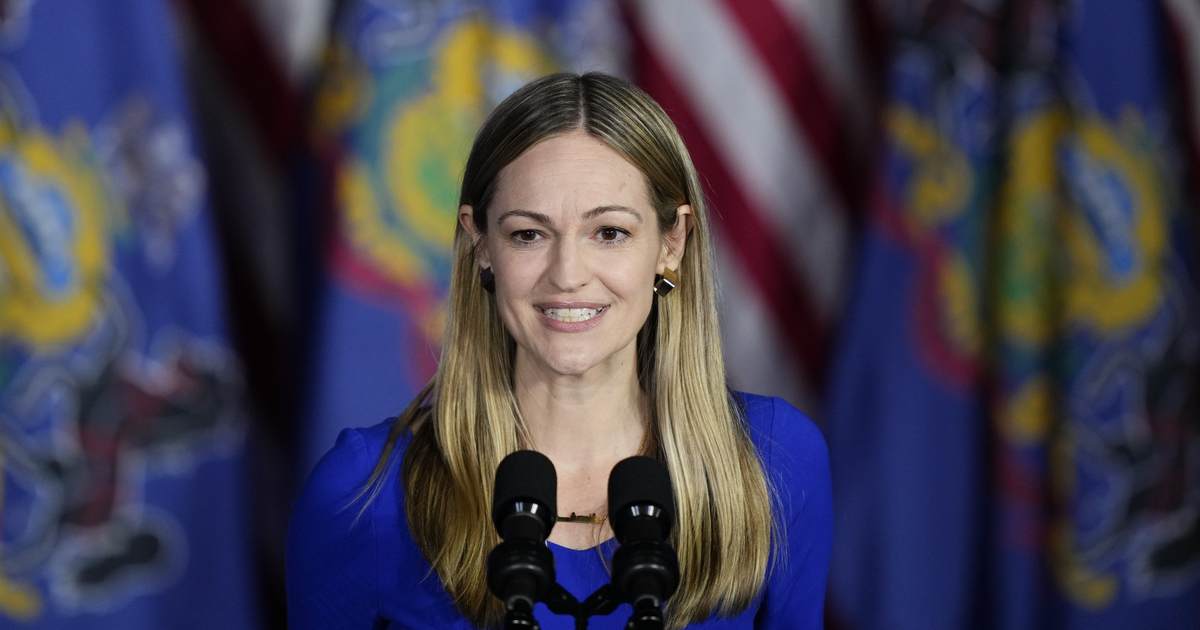
This piece examines a municipal budget fight where a Democratic mayor pushed a tax increase to pay for new hires including a DEI coordinator, and city council members revealed the cash already existed to cover those costs.
Paige Cognetti, the mayor of Scranton and a Democratic candidate for Congress, proposed a 2023 budget that included several new hires and a property tax increase to pay for them. The city’s proposed plan called for a three percent rise in property taxes and a list of positions that together would have increased municipal payroll costs. That proposal ran headfirst into a council that dug into the books and pushed back.
Documents and council discussion revealed the numbers at the center of the fight. The budget proposed eight new hires and earmarked $25,500 for a DEI coordinator, along with positions for police chief, fire chief, business administrator, solicitor, and director of public works. To pay for those positions the administration planned a 3% property tax increase, estimated to generate $957,000, while the positions were expected to cost $380,500; ultimately that budget was not adopted.
Scranton Mayor Paige Cognetti, a Democratic candidate for the U.S. House of Representatives in Pennsylvania’s 8th Congressional District, once proposed raising taxes to make room for a diversity, equity and inclusion (DEI) officer.
A “DEI coordinator” was among eight new hires in the city’s 2023 proposed budget and would have set aside $25,500 for the position. To cover the costs of that opening and those of a police chief, a fire chief, a business administrator, a solicitor and a director of public works, the budget included a 3% property tax increase, estimated to generate $957,000 for the city.
The positions were estimated to cost $380,500. That budget was not adopted.
Once council members examined the numbers, they found the city could have funded these positions without hiking taxes. Councilman Mark McAndrew pointed to a cash surplus from the COVID relief package passed under the Biden administration and argued those funds could cover the proposed hires and raises. The revelation made the tax hike pitch look unnecessary and raised questions about fiscal priorities.
Not every council member was on board with the mayor’s approach even before the surplus came to light. Now-former councilman Bill King, who had been a mayoral ally, warned that coupling pay raises with a tax increase risked burdening the average taxpayer. His caution highlighted the political risk of asking households to absorb new costs during a strained economic environment.
Councilman Tom Schuster voiced clear frustration with the proposal and the timing, saying he was aghast that the mayor would advocate for higher taxes amid what he described as a torpid economy. That criticism underscored a broader point: fiscal competence matters to voters who are already feeling squeezed. When public leaders suggest new taxes, constituents expect a careful accounting and a good reason, not an ideological wishlist.
The underlying debate here is partly about priorities. Funding a DEI coordinator may satisfy certain administrative goals, but taxpayers expect municipal leaders to balance services, public safety, and fiscal restraint first. Elected officials should not treat broad tax increases as the first option when available reserves exist and when the community faces real financial pressures.
Beyond the budget specifics, there are political implications for a candidate heading into a competitive congressional race. Past statements and policy signals matter, and voters notice when a local chief executive pushes a tax hike for initiatives many see as symbolic. That dynamic becomes a campaign issue when opponents cast the move as a disconnect between city hall priorities and everyday household concerns.
There are also policy trade-offs worth noting: the proposed hires were estimated to cost $380,500 while the tax plan would have generated far more revenue overall. That mismatch raised sensible questions among council members about whether funds were being allocated efficiently or used to pad general revenue rather than address clear municipal needs. Transparency around reserve funds and one-time federal aid should be standard practice to avoid such friction.
Critics argued this episode shows a larger pattern of governance concerns: promoting ideological positions while asking taxpayers to pay. Council scrutiny exposed alternatives that avoided new taxes, and that oversight is the sort of accountability voters expect. The exchange at the council table was a reminder that fiscal discipline and plainspoken answers win trust in local government.