Socialized medicine produces predictable shortages, forces political rationing, and can lead to preventable deaths; examples from Canada and stories of delayed care show how a government-run system replaces timely treatment with bureaucratic triage and even offers euthanasia as an option.
Death is a feature, not a bug, of socialized medicine when systems get overwhelmed and care becomes a political prize. Rationing follows long waits, fewer specialists, and scarce equipment, and those shortages do not distribute themselves fairly. Politicians decide who gets prioritized, and ideology influences which groups receive timely care and which do not.
When access depends on political calculation, outcomes suffer for many people regardless of their demographic status. Even favored groups cannot escape system-wide shortages of providers and appointments. Canada provides several stark examples where delays turned treatable conditions into life-changing tragedies.
In one case, a woman who waited years for a routine knee replacement ran into complications that, because of further delays, led to infection and ultimately an amputation. That was not a one-off tale of bad luck. Long queues and administrative miscues stack up until complications become the norm rather than the exception.
Another patient with ovarian cancer reportedly had surgery mishandled, chemo requisitions lost, and appointments missed, yet was offered assisted death instead of guaranteed treatment. She sought care in the United States and, as of April, was in remission after getting the timely intervention she needed. Those stories expose a chilling choice patients face: wait, suffer, or accept a death option imposed by a strained system.
There are also cases like Jolene, who had a treatable parathyroid condition that causes severe symptoms if left unaddressed. Surgery would have fixed it, but no surgeons were available and no endocrinologists were taking new patients in her province. To travel for care required more referrals and approvals, and the system kept redirecting her until pain and dysfunction became chronic.
Now a young woman in Massachusetts faces what some describe as a death sentence in the name of “free” healthcare. These moments are not accidental failures of implementation. They are the inevitable result when a single payer controls resources and access, and when politicians decide who lives and who waits.
Politics also warp medical priorities. When decisions rest with officials who use intersectional frameworks, resources get steered toward favored constituencies, while others are deprioritized. That is government rationing by another name, and the incentives are perverse: loyalty and identity can matter more than medical urgency.
Contrast that with private-system examples where insurance and market competition often speed care. I know someone recently diagnosed with metastatic lung cancer who began intensive treatment within days and is showing a good response. Under the system we have now, his insurers and providers coordinated quickly instead of pushing euthanasia as a cost-saving alternative.
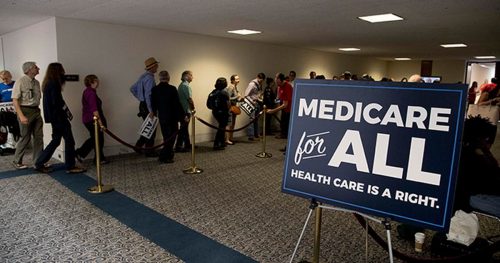
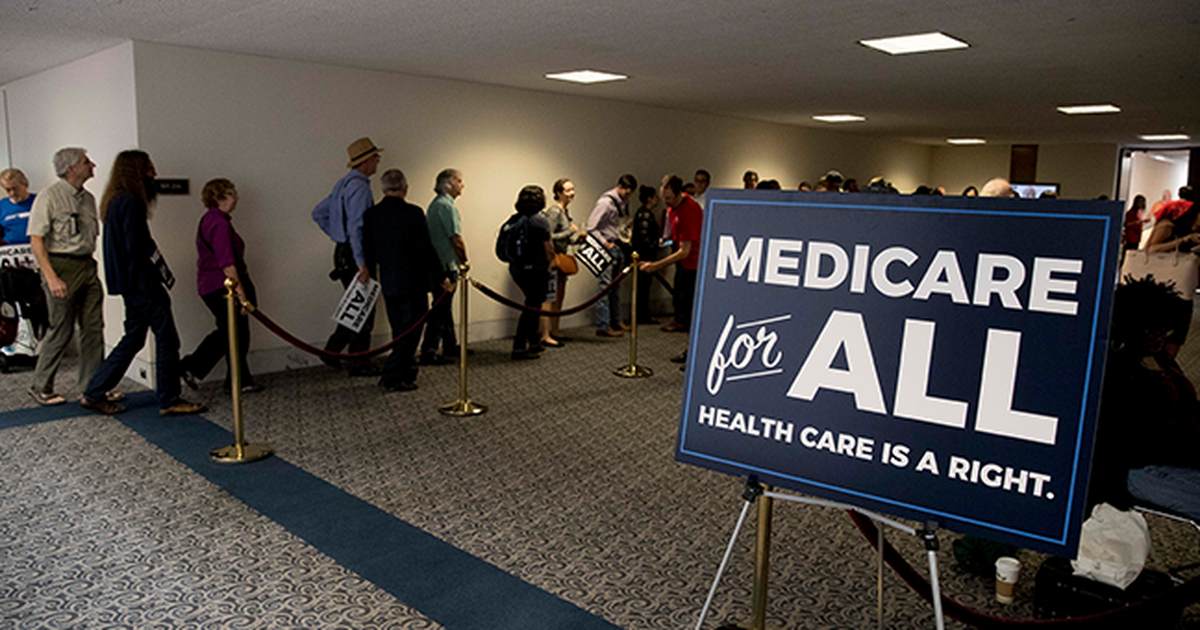
When politicians pitch “Medicare for All” as a moral good, remember scale and capacity. A country larger than Canada will face exponentially greater strain if care is centralized and politicized. The real outcome of sweeping, one-size-fits-all schemes is not universal healing but universal delay, and for too many that delay will be fatal.
https://x.com/DahliaKurtz/status/2094874962049786155