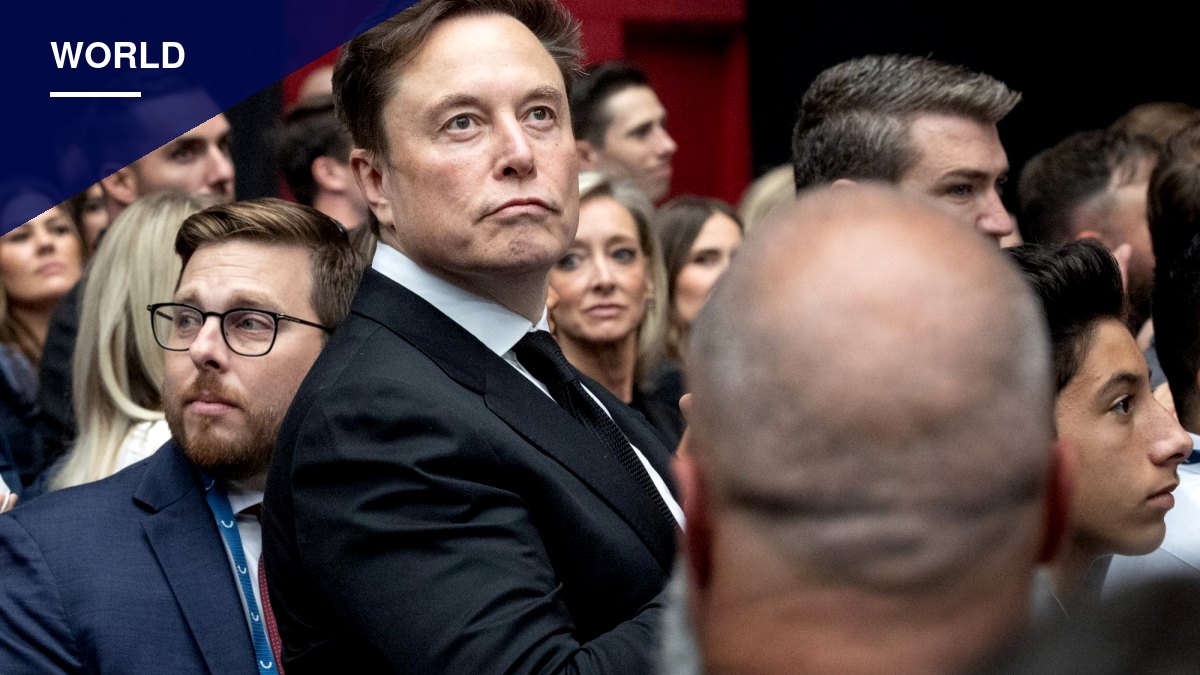
A quiet dispute over satellite internet access could hold outsized influence over how — and whether — the war in Ukraine winds down this winter, according to a new opinion piece pressing President Trump to intervene with Elon Musk.
Under the current arrangement, Ukraine’s military can use Musk’s Starlink satellite network only within its own territory. Kyiv has asked for permission to use it up to 125 miles into Russian territory, arguing that expanded coverage would sharply improve the guidance systems on its attack and reconnaissance drones. Musk has resisted, saying he does not want his company implicated in escalating the war.
The argument for granting Ukraine that access is that better drone guidance would let Kyiv hit Russian missile launchers and infrastructure more effectively, including the oil facilities that generate revenue for the Kremlin. Ukraine has already had notable success striking Russian oil sites, and the reasoning goes that a credible threat of expanded, more precise strikes could push Russian President Vladimir Putin toward negotiations faster than other forms of pressure.
President Volodymyr Zelensky, speaking at the United Nations on Wednesday, said Ukraine’s real target isn’t the oil facilities themselves but Putin’s ability to finance what Zelensky described as an effort to “drag out the war.”
Sanctions as a Second Lever
Beyond Starlink, Trump has another tool available: new authority under a sanctions law authored by Sen. Lindsey Graham that would let the administration penalize countries buying Russian energy or helping Moscow evade existing sanctions.
Combined, the argument goes, these two pressures — expanded drone capability and secondary sanctions — could be enough to bring Putin to accept at least a limited “energy cease-fire” before winter, which would spare both countries’ civilians from the worst effects of strikes on power and heating infrastructure.
Zelensky warned of the stakes directly in his UN remarks.
“This winter could be very hard for us, but in response we will have no choice but to make it painful for Russia, too,” if Putin “continues to target our energy system and our heating,” Zelensky said.
The Political Complication
Trump faces a competing pressure: with midterm elections approaching, he has been wary of any escalation that could push up oil and diesel prices at home. That has made him reluctant to see Russian energy sites targeted.
The counterargument is that tightening pressure on Putin now — through the threat of strikes and sanctions rather than necessarily carrying them out — is the more reliable path to calming energy markets, since it could produce a mutual halt to strikes on energy facilities rather than an open-ended campaign against them.
The human cost of continued fighting has been severe. Zelensky said that in the first eight months of this year alone, 248,000 Russian soldiers died in the war, in an effort that yielded less than 400 square miles of territory — much of which Ukraine has since retaken.
Whether Starlink access and sanctions pressure are enough to move Putin remains an open question. But the argument being pressed on Trump is that both tools are available now, and that using them — or simply threatening to — could open the door to a broader cease-fire before winter’s harshest months arrive.