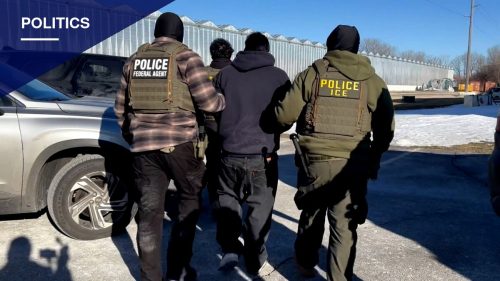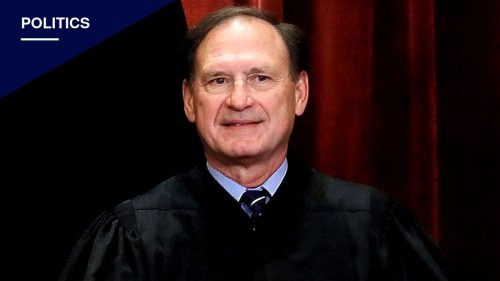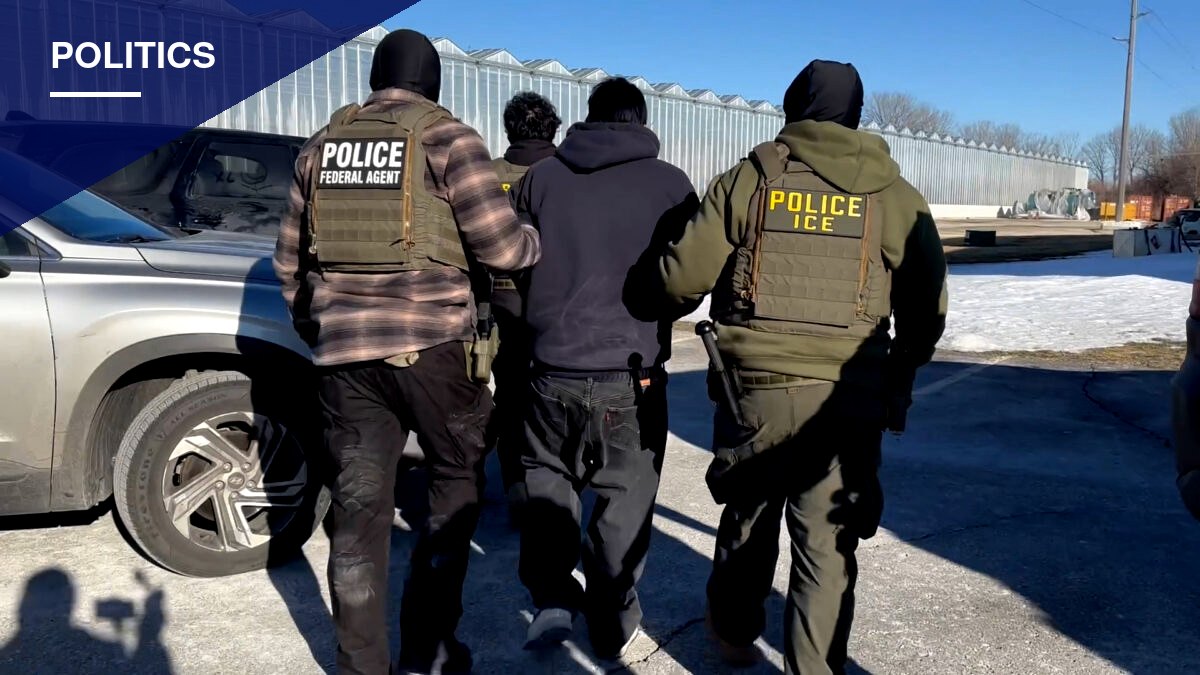
The U.S. Supreme Court on Tuesday put a hold on a Massachusetts federal judge’s order that had blocked the Trump administration from deporting illegal immigrants to countries other than their own. The vote was 6-3, with Justices Sonia Sotomayor, Elena Kagan, and Ketanji Brown Jackson dissenting.
The unsigned order pauses a ruling from U.S. District Judge Brian Murphy, who sits in Massachusetts and was appointed by President Biden. Murphy’s directive had sought to stop the government from sending deportees to so-called third countries — places that are not the deportee’s country of origin.
This marks the third time the administration has asked the Supreme Court to step in on this particular case. The justices first stayed Murphy’s preliminary injunction last year, also by a 6-3 vote.
Murphy did not treat that first ruling as the final word. Hours after the Supreme Court’s stay, he issued a new order insisting the high court’s decision did not actually undo his original blockade. The administration went back to the justices asking them to clarify, and in a 7-2 decision, the Supreme Court confirmed its earlier ruling did cover Murphy’s injunction after all.
That back-and-forth drew a sharp rebuke from Justice Kagan. Even though she had disagreed with the majority’s initial decision to pause Murphy’s injunction, she wrote in a concurring statement that she did “not see how a district court can compel compliance with an order that this Court has stayed.”
Murphy went on to issue a final judgment blocking the third-country deportation policy in February. The 1st Circuit Court of Appeals initially sided with the administration and paused that judgment, but the appeals court reversed course earlier this month and let Murphy’s ruling take effect.
Along with staying Murphy’s order again, the Supreme Court agreed Tuesday to take up the case fully during its 2026 term. The justices directed the government and the challengers to file briefs addressing several questions, including whether Murphy had jurisdiction to hear the claims in the first place, whether he had legal authority to issue classwide relief and vacate the policy under the Administrative Procedure Act, and whether the administration’s guidance on third-country removals violates federal law or the Constitution’s due process clause.
The pause on Murphy’s order will remain in place until the Supreme Court rules on the merits of the case. Oral arguments are scheduled for December, though an exact date has not yet been set.