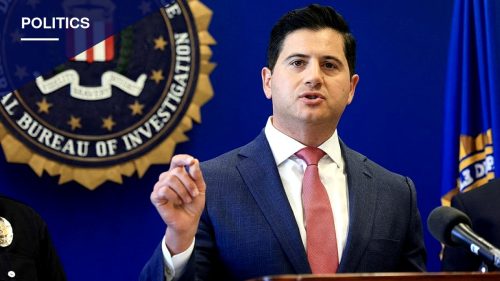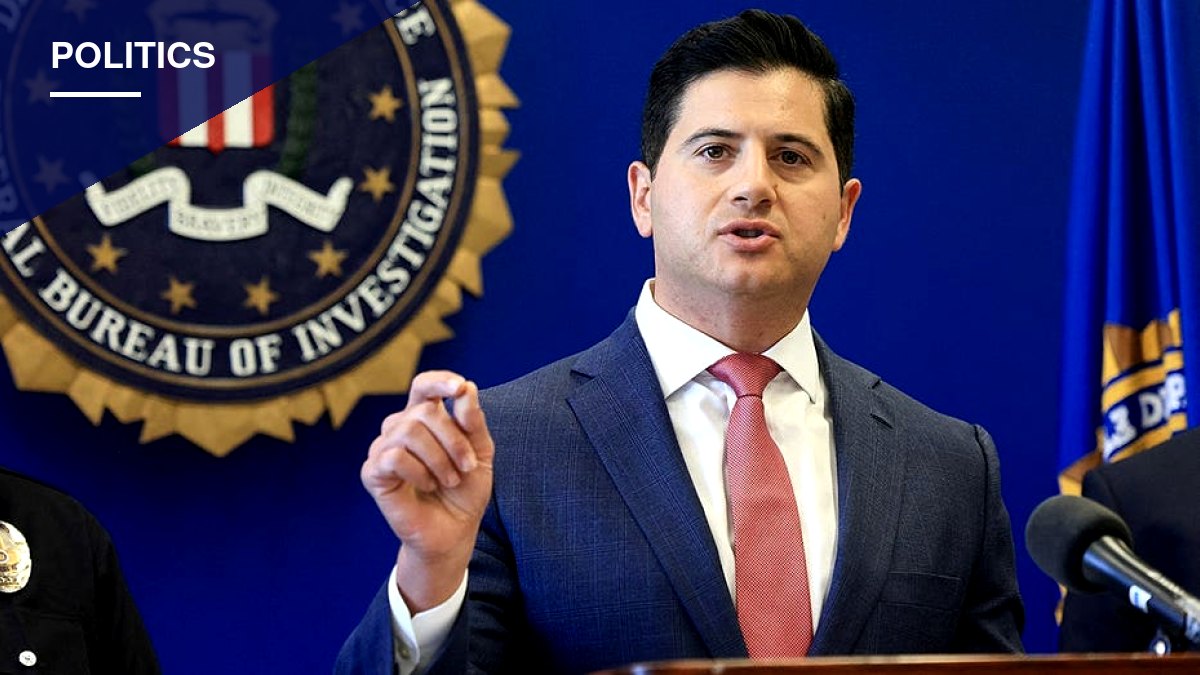
A federal judge in Los Angeles has ruled that Bill Essayli, the top federal prosecutor for Southern California, is unlawfully serving as a “de facto” U.S. attorney and barred him from overseeing two criminal cases.
U.S. District Judge J. Michael Seabright issued the ruling Tuesday, finding that Essayli cannot participate in or supervise the prosecutions involved. The disqualification will not take effect right away, giving the Justice Department time to ask for a stay while it appeals.
“We respectfully disagree with the court’s order,” Essayli said in a statement provided to Fox News. “The President and the Attorney General have every right to select supervisors within the Justice Department,” he continued, adding that “ultimately, this question will be decided by the Supreme Court, and I look forward to serving in my current role until then.”
Essayli originally took the job as interim U.S. attorney under an appointment that expired after 120 days. Then-Attorney General Pam Bondi later appointed him as a special attorney and named him first assistant U.S. attorney. He has never been formally nominated by the president or confirmed by the U.S. Senate.
Seabright had previously found that this setup didn’t make Essayli the lawful acting U.S. attorney but allowed him to keep supervising prosecutions under his other titles. That changed after the Ninth Circuit Court of Appeals ruled over the summer against a similar arrangement involving a federal prosecutor in Nevada, prompting Seabright to take a fresh look at Essayli’s case, according to the Los Angeles Times.
Attorney General Todd Blanche issued a revised designation last month meant to narrow Essayli’s authority and set his situation apart from the Nevada case. Seabright found the modified arrangement still gave Essayli enough power to effectively fill the vacant U.S. attorney position.
“In sum, Essayli is unlawfully serving as a ‘de facto’ United States Attorney,” Seabright wrote.
The ruling lands as Essayli has been helping lead a high-profile Justice Department push challenging California over more than 20,000 registered voters the administration says are likely noncitizens. The department has asked a federal court to require that ballots tied to those voters be set aside while their eligibility is reviewed. U.S. District Judge David O. Carter said he would rule Wednesday on that request.
“I think this case is really on the forefront of the administration’s battle to fight for election integrity,” Essayli said at a news conference Tuesday. “We wanna stop illegal voting. We don’t wanna chase it later.”
Asked about Seabright’s ruling at the same news conference, Essayli offered a short response: “That case will be decided by the Supreme Court.”