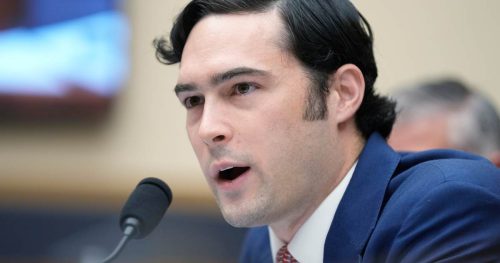
Texas Democrat James Talarico tells different audiences different things, claiming he is not a socialist while in private meetings he connects capitalism, white supremacy, and climate harm and talks about dismantling those systems.
James Talarico, running in the Texas Senate race as a Democrat, has publicly rejected the socialist label while privately describing capitalism as an oppressive system that needs dismantling. Campaign spokespeople insist he is a proud supporter of markets, yet his remarks to activist groups paint a harsher picture. That tension between public messaging and private rhetoric matters to voters deciding who will manage the economy and the state’s future.
At a private Zoom with Austin Sierra Club activists, a participant raised concerns about inequality and climate impacts, saying, “communities of color receive the most harm from the impacts of climate change and yet, receive the least government support to deal with it” and asked Talarico how he would pursue “climate justice” for Texas. Talarico responded by tying climate policy to deeper social systems and framed the problem as interconnected. His answer moved beyond environmental policy into a broader critique of American institutions.
“Yeah, and I’m, I am so thankful that you asked this question and also thankful that young activists have, have really drawn the link between climate change and white supremacy and capitalism in our country,” Talarico replied. “And I think only understanding the ways that all three of those oppressive systems work together are we gonna be able to begin the process of dismantling them.”
Those words echo other moments on the campaign trail where he has criticized economic orthodoxy and called for sweeping changes. He has repeatedly attacked what he calls “trickle-down economics,” saying plainly that “trickle-down economics is not a theory, it is theft.” That phrasing is a clear signal to progressive activists and donors who want systemic change, and it sits uneasily with his public assurances about capitalism.
Talarico often qualifies his critique by distinguishing “crony capitalism” from an ideal free market, arguing the system now “rewards wealth instead of work.” He blames policy choices, tax breaks, bailouts, and weakened unions for concentrating power in the hands of a few. Those are familiar talking points on the left, but they also outline the policy path he favors: more state intervention and fewer protections for market-driven outcomes.
When pressed about class conflict, he told a crowd that “we already have class warfare… billionaires waging war on the rest of us.” That line frames economic policy as a battle between ordinary people and wealthy elites, and it underscores his push for redistributive measures. Campaign materials reflect that tilt, calling for higher taxes on corporations and billionaires alongside expanded worker protections.
https://x.com/LoneStar_PAC/status/2094742199170736395
His platform proposes closing tax loopholes, raising the minimum wage, expanding overtime, and increasing corporate taxes to fund broader social programs. Those are policy choices that move power toward government decision-makers and away from individual entrepreneurs and investors. For voters who prize market freedom and limited government, that direction raises clear questions about how much control the state should have over the economy.
It is worth noting that criticisms of concentrated wealth and corporate capture are not without merit; many Americans see unfair advantages in the system today. Talarico’s language, however, signals a readiness to replace market mechanisms with government choices rather than reforming markets to be fairer. The difference matters because the proposed fixes shift who decides economic priorities—voters or state officials.
For Texans, the choice is also about messaging. On the stump and in ads, Talarico insists he supports fair pay and opportunity for workers, while his comments in private meetings with activist groups suggest a willingness to pursue structural overhaul. That split may test how persuasive his explanations are when opponents highlight the recorded remarks and contrast them with his public posture.
Campaigns live and die on trust and consistency, and voters will decide whether they believe a candidate who says one thing in public and another in private. James Talarico’s statements tie climate policy and racial justice to broader critiques of capitalism, and his policy prescriptions point toward a bigger role for government. Those facts are now part of the debate about who should lead on economic and environmental issues in Texas.
Editor’s Note: The Democrat Party has been infected by socialism, and it’s spreading FAST. Democrats are claiming there’s nothing to worry about, but we know the truth.