Trump’s political operation quietly moved a major ad buy into the Texas Senate fight, undercutting two anonymous media reports and changing the early contours of that race.
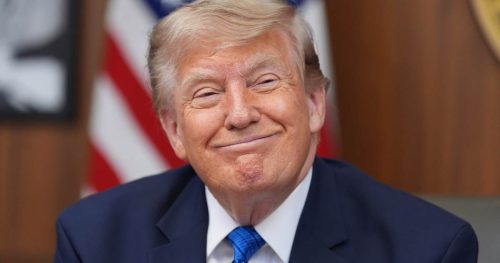
The story started with a sudden, undeniable shift in where President Trump’s personal PAC is spending money, and it landed like a thunderclap in a race that had been framed as closed off. Instead of sitting on a mountain of cash, the PAC redirected significant resources into Texas, signaling a clear priority for the campaign. That move immediately raised questions about the accuracy of earlier reports from mainstream outlets.
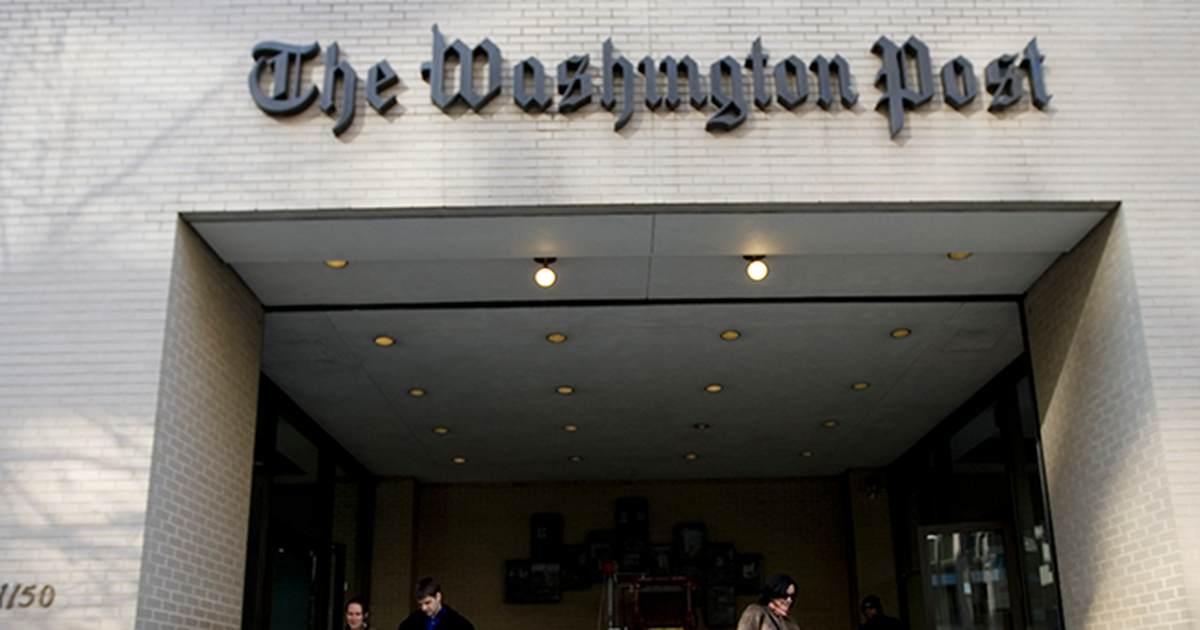
The Washington Post and MS Now ran parallel pieces claiming, among other things, that “it’s too late to fully deploy” Trump’s vast campaign reserves. They also pushed the narrative that Trump would be funneling help toward North Carolina candidate Mike Whatley while Elon Musk would take on Ken Paxton’s race. Those were anonymous-sourced stories that framed the playbook before the PAC even spoke.
Soon after those stories hit, the PAC announced a first tranche of spending: $10 million in ads to boost Ken Paxton in Texas. That is a hard dollar figure and it contradicts the idea that the money could not be moved or that outside benefactors would be carrying the load alone. The purchase is the kind of decisive investment you don’t expect from reports claiming the funds were stuck or being parceled out elsewhere.
https://x.com/AlexPfeiffer/status/2096292533064114404
From a Republican viewpoint, this sequence matters for two reasons: it exposes how anonymous sourcing can produce narratives that don’t match reality, and it shows how quick media outlets are to adopt a convenient story about conservative operations. When outlets publish parallel anonymous claims that later prove inaccurate, readers get a false impression of strategy and momentum. Campaigns can and do pivot fast, and reporting should reflect that agility instead of locking in a premature storyline.
Timing is everything for a fall campaign, and the Labor Day period is prime real estate for ad buys and messaging. With the holiday blitz coming up, Republicans plan to leverage their financial edge to flood airwaves and digital platforms with clear, targeted messages. That ad money, coupled with a major midterm convention being hosted in Dallas, Texas, gives Paxton both cash and local organizational lifts that matter in tight contests.
Recent polls in the race have been razor-thin, and an infusion like this can change the dynamics in districts where name recognition and turnout are deciding factors. James Talarico’s campaign now faces a scaled-up opponent with a freshly amplified message and advertising muscle behind him. In practical terms, more TV and digital presence means more control over the narrative voters see in the weeks before ballots drop.
This episode should also be a cautionary tale for journalists who rely too heavily on anonymous briefings instead of verifiable records of ad buys and PAC filings. The public deserves reporting that tracks real transactions, not recycled talking points that fit a preferred storyline. As the midterms approach, expect both increased spending and sharper scrutiny of how campaign coverage is produced.
Watch for a rapid escalation in targeted ads, field operations around Dallas events, and fresh polling shifts as the money lands and messaging saturates key media markets. The next few weeks will reveal whether this ad buy was the start of a sustained push or a one-off response, but either way it rewrites the immediate expectations for the Texas Senate race.