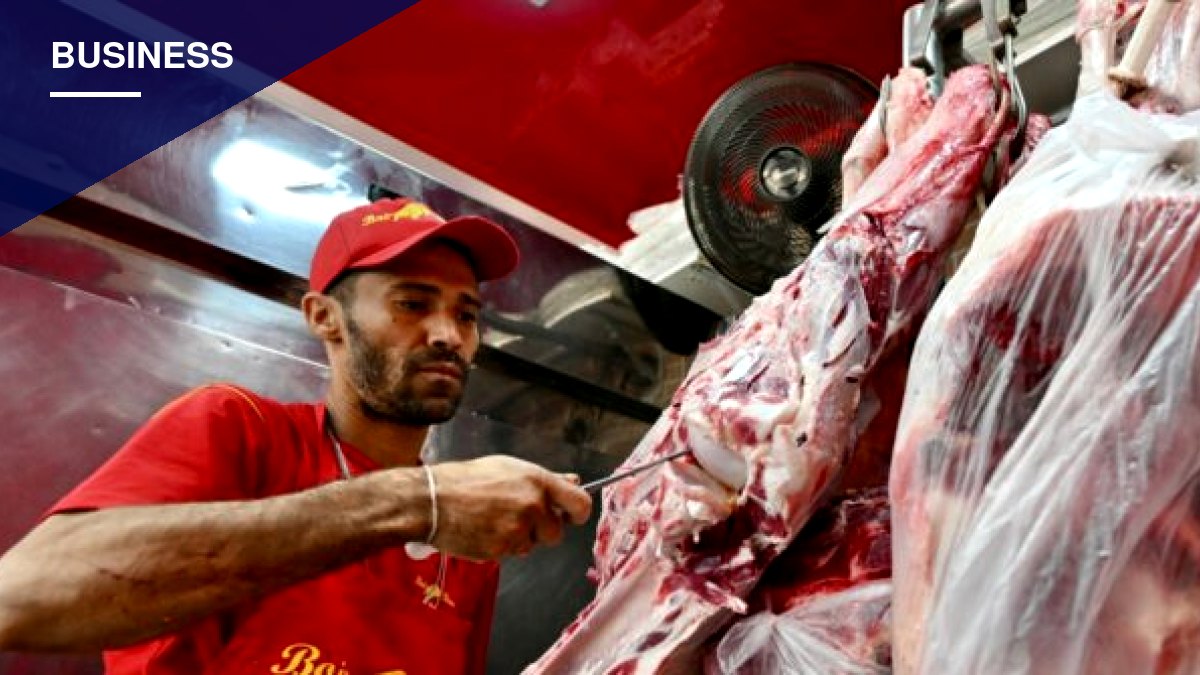
China’s Ministry of Commerce has imposed a 55-percent tariff on beef imports from Brazil after Brazilian shipments hit 100 percent of their quota under a new Chinese import-safeguard policy, according to a government announcement reported by the South China Morning Post and relayed by Breitbart News.
The tariff stems from China’s “beef safeguard measure,” a quota system announced in 2025 that took effect January 1, 2026, and runs through December 31, 2028. The policy sets limits on how much beef each foreign country can export to China, and Brazil’s cap was set at 1.1 million metric tons. The higher tariff took effect just three days after Brazil reached that limit.
China had offered some developing nations a one-year grace period when the measure was first announced, but Brazil did not receive that treatment. Brazilian beef was already subject to a 12-percent import tariff, meaning the new combined rate effectively reaches 67 percent. Analysts expect the move to cut Brazil’s beef exports to China, its largest customer, by roughly ten percent. Among all countries facing new Chinese import caps, Brazil was hit hardest.
Brazilian President Luiz Inacio da Silva said last week he hoped to offset the restriction by using unused export capacity belonging to Uruguay. Lula raised the idea with Uruguayan President Yamandu Orsi on the sidelines of the U.N. General Assembly in New York. Orsi said Uruguay had not used 80,000 tons of its 331,000-ton quota for exports to China.
China, however, appears to have rejected the proposed swap and has shown no willingness to let countries trade or share their individual quota allowances.
The tariff adds to a string of trade setbacks for Brazil’s beef industry. The European Union has moved to restrict Brazilian beef imports over the use of antimicrobial drugs, and the United States under President Donald Trump has also raised tariffs on Brazilian goods. The South China Morning Post reported that China renewed import licenses for more than 400 American meat plants in May, following a meeting between Trump and Chinese leader Xi Jinping in Beijing — a move that suggests American beef producers may be picking up some of the Chinese market share Brazil is losing.
Despite the financial hit, Lula has not publicly criticized China over the tariff. Brazilian Agriculture Minister Andrew de Paula told the South China Morning Post that Brazil is holding “no new negotiations with China over a bigger quota, or on using volumes assigned to other countries.”
Brazil and China are both members of the BRICS economic bloc, alongside Russia, India and South Africa, a grouping often described as a counterweight to Western-led trade institutions.