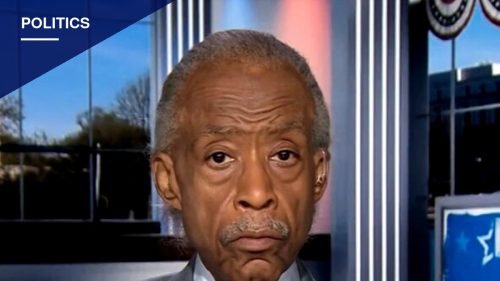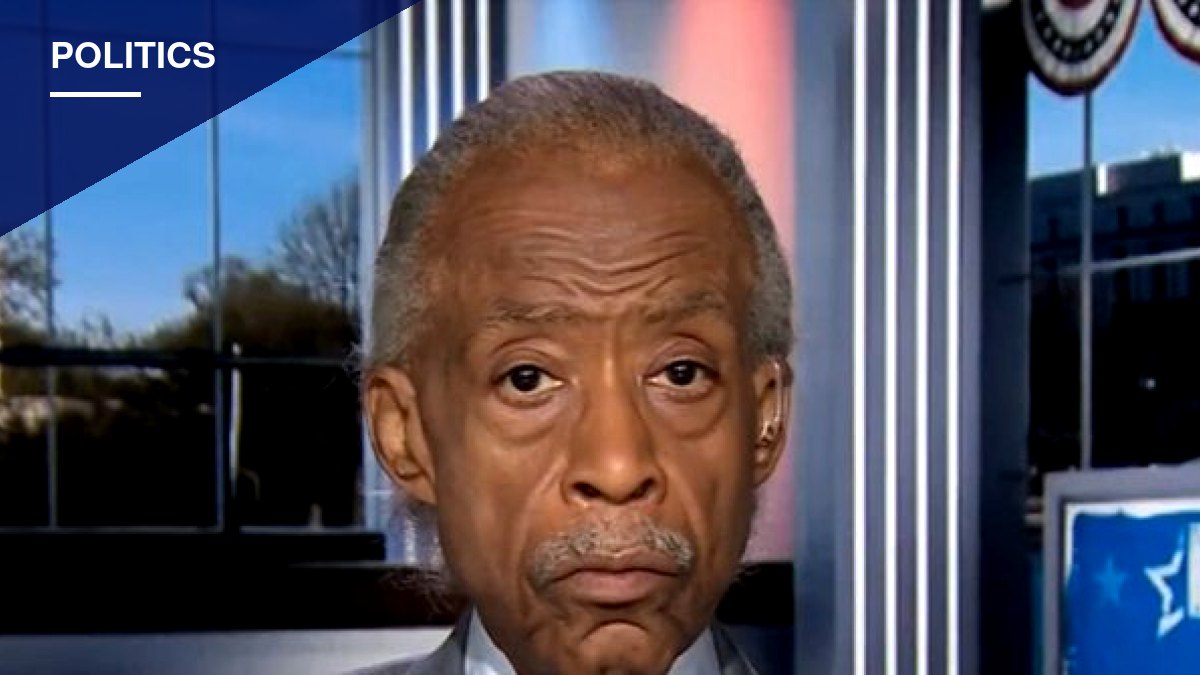
Civil rights leader and MS NOW host Al Sharpton said Thursday that a Democratic takeover of the House in the midterm elections would lead to an unprecedented round of congressional hearings, pointing to the subpoena power that would come with control of the Judiciary Committee.
Speaking on his program “Deadline” with host Ari Melber, Sharpton said he and “most of us” believe Democrats winning the House is “a done deal,” and said winning the Senate is possible as well.
“They now have the gavel, they will chair the Judiciary Committee,” Sharpton said. “You work at Justice, you don’t want the Judiciary Committee subpoenaing you and say, did you cover up this information that you had? You’re under oath. You either plead the fifth and walk out and resign and don’t have a future, or you tell the truth.”
Sharpton added that Justice Department officials should be cautious about what they do now, before any change in House control. “And I think that they have got to be very careful now, that if the Democrats take the gavel, they have the subpoena power. And you will see hearings like you never saw before,” he said. “And people are not willing to perjure themselves in front of cameras and for statements because you’re in contempt of Congress and can go to jail.”
The exchange came as Melber raised the case of Corey Lewandowski, a longtime ally of President Trump who worked with him early in Iowa and New Hampshire during the 2016 campaign and has stood by him through multiple investigations since. Melber noted that Lewandowski is a loyalist Trump would seemingly not want targeted, unlike some of what Melber described as “revenge prosecutions” of former Republicans or former Trump supporters, yet someone inside the Justice Department appears to see enough grounds to investigate him.
Sharpton responded that while it’s clear someone at the department believes there’s “enough smoke” to warrant scrutiny, others inside the agency may also be acting with an eye toward the political calendar, mindful that a Democratic-controlled Judiciary Committee could later demand answers under oath about what officials knew and when.