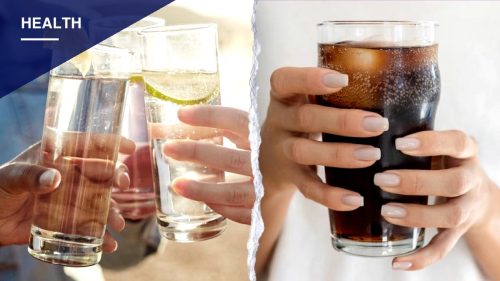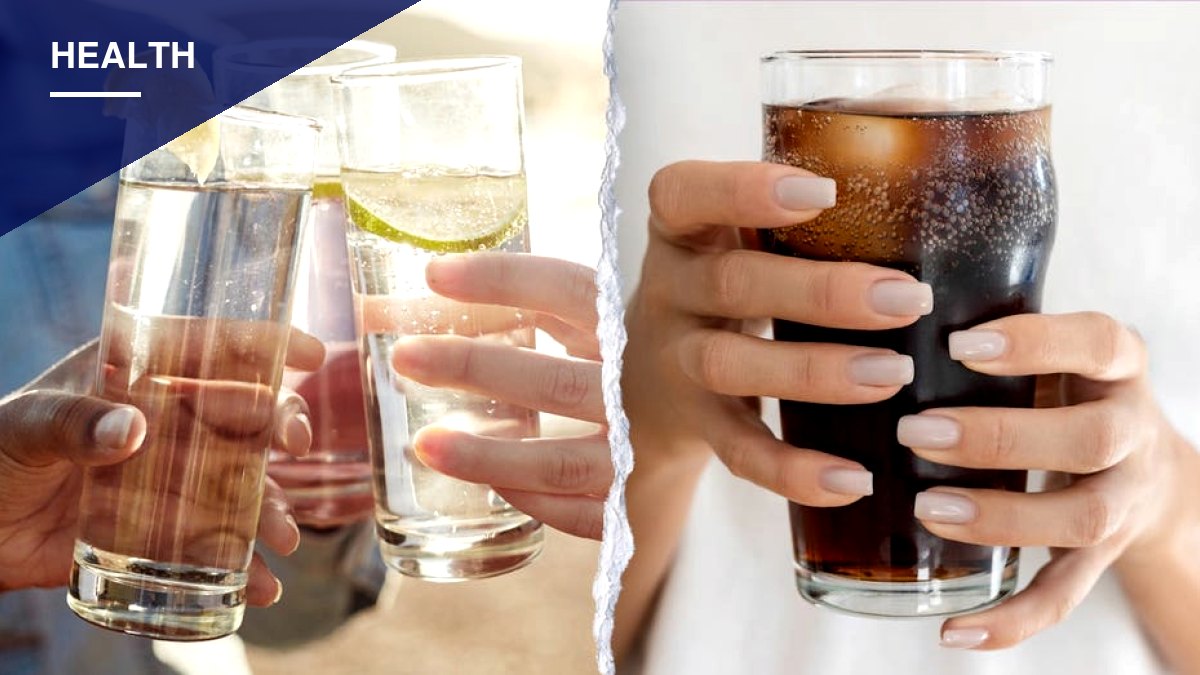
A two-year study from the University of Liverpool has found that diet drinks sweetened with sugar substitutes work just as well as water when it comes to supporting weight loss in overweight and obese adults.
The randomized trial followed 493 participants aged 18 to 65, all with a body mass index between 27 and 35. Half of the group drank 22.3 ounces of water a day, while the other half drank the same amount of diet soda, low-calorie fruit drinks or flavoured water containing sweeteners such as aspartame, acesulfame potassium and sucralose, roughly the equivalent of two cans a day. The trial ran for 104 weeks.
After two years, those drinking the sweetened beverages had lost about 10.6 pounds on average, compared with about 8.2 pounds for those drinking water. Both groups reduced their waist and hip measurements and lowered their body fat, with no meaningful difference between the two. Total cholesterol stayed within a healthy range for both groups throughout the study.
Notably, participants in both groups held on to a significant portion of their weight loss even in the second year, after structured weight-management support had ended. The findings were published in the British Journal of Nutrition.
Context matters
Alix Turoff, a registered dietitian in New York City who was not involved in the research, cautioned against reading too much into the results on their own terms.
“The study does not show that diet beverages themselves caused the weight loss. Everyone in the study was participating in a structured weight-management program that included nutrition counseling, behavioral support and physical activity recommendations.”
Turoff said the real benefit of diet drinks in this context is substitution rather than any special metabolic effect. She pointed out that the study compared diet beverages against water, not against sugar-sweetened drinks, so it was really testing whether artificial sweeteners themselves got in the way of weight loss.
“If someone normally drinks 250 calories of regular soda and switches to zero-calorie soda, then they’re saving calories.”
She also noted that the trial found no significant differences between the groups in hunger levels or sugar intake by the end of the study, which addresses a common worry that artificial sweeteners might increase appetite or lead people to eat more to compensate.
“I would still recommend water as the primary hydration choice, but I don’t think people need to be afraid of diet drinks because they think they will automatically prevent fat loss or cause weight gain.”
Limitations
The study has some notable caveats. It was conducted at a single site in England, and researchers did not collect data on race or ethnicity, limiting how broadly the findings can be applied. Of the 493 people who began the trial, only 220 completed the full 104-week assessment, and the second-year extension was voluntary, meaning those who stuck with it may have been more motivated than average.
The research was funded by the American Beverage Association, though the study authors said the association had no role in the study’s design, data analysis or interpretation of results.