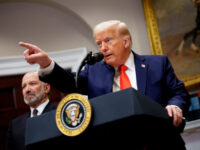
President Trump’s adept use of tariffs brought about a significant diplomatic achievement, halting Ontario’s planned 25% surcharge on electricity exports to the United States. This decision came even as the Trump administration continued with its 25% tariffs on steel and aluminum imports from Canada. Ontario Premier Doug Ford made the announcement following discussions with U.S. Commerce Secretary Howard Lutnick, marking a clear win for Trump’s strategy.
Ford’s decision to suspend the surcharge reflects the effectiveness of Trump’s tariff threats in achieving economic goals. The Ontario surcharge was initially set as a countermeasure against Trump’s earlier tariffs on Canadian imports. Ford emphasized his intention not to harm Americans, stating, “Sometimes you have to play your cards,” highlighting the strategic nature of the move.
Trump’s tariff policy has consistently demonstrated his ability to leverage economic pressure for diplomatic gain. Canada, being America’s leading supplier of foreign steel and aluminum, underscores the importance of Trump’s latest tariffs in the broader economic landscape. Despite significant lobbying for exemptions, the White House remained firm in its decision not to offer any carve-outs for Canada.
A White House spokesperson confirmed that the tariffs would proceed without exceptions for any trading partners, reinforcing Trump’s tough stance. Previously, Trump had warned of potential tariffs on Canadian automobile parts if Ottawa persisted in its retaliatory measures. In a bold statement on Truth Social, Trump threatened to “substantially increase” levies on Canadian auto imports, indicating a possible shift in production to the U.S.
Canadian Prime Minister-designate Mark Carney faces the challenging task of navigating these trade tensions. As he prepares to succeed the unpopular Justin Trudeau, Carney must address the impact of Trump’s tariffs on Canadian households. The ongoing trade dynamics highlight the complexity of managing relationships with a firm tariff stance from the U.S.
Ford and Lutnick’s planned meeting in Washington this Thursday could open the door for broader negotiations. The discussions aim to update the U.S.-Mexico-Canada trade pact, with an April 2 deadline set by Trump for reciprocal tariffs. This timeline adds urgency to the talks, emphasizing the need for diplomatic solutions.
Tuesday’s developments underscored Trump’s readiness to use tariffs as a negotiating tool, achieving tangible outcomes. Trump’s approach compelled trading partners to reconsider their retaliatory actions against the U.S., proving the effectiveness of his strategy. The situation illustrates the broader implications of Trump’s policies on international trade relations.
As the U.S. continues to uphold its firm tariff policies, the global trade environment remains in a state of flux. Trump’s decisive actions have shown how economic measures can influence diplomatic interactions. The suspension of Ontario’s surcharge marks a victory for Trump’s tariff strategy, reinforcing his approach to international negotiations.
The broader context of U.S.-Canada relations continues to evolve under the pressures of Trump’s economic policies. As both nations navigate these changes, the impact of tariffs on trade dynamics cannot be underestimated. Trump’s ability to achieve diplomatic victories through economic means remains a defining feature of his administration.
The trade tensions between the U.S. and Canada highlight the complexities of modern economic diplomacy. As negotiations progress, the outcomes will shape the future of trade agreements between the two countries. The role of tariffs in these discussions remains a critical factor in determining their success.
Trump’s willingness to employ tariffs as a strategic tool reflects his broader economic philosophy. By exerting pressure on trading partners, Trump aims to secure favorable terms for the U.S. economy. This approach has consistently delivered results, as evidenced by the latest developments with Ontario.
The ongoing dialogue between the U.S. and Canada is a testament to the enduring importance of trade relations. As leaders from both countries engage in negotiations, the stakes remain high for achieving mutually beneficial outcomes. The influence of Trump’s tariff policies will undoubtedly play a central role in shaping these discussions.
The current state of U.S.-Canada trade relations reflects broader trends in global economic diplomacy. As countries adapt to new realities, the impact of tariffs on international trade remains a pivotal issue. Trump’s strategic use of tariffs continues to influence the direction of these important relationships.
As the situation unfolds, the implications for U.S.-Canada trade remain significant. The ongoing negotiations will determine the future of economic interactions between the two nations. With Trump’s tariff policies at the forefront, the potential for diplomatic breakthroughs remains a key focus.
The developments on Tuesday reaffirmed Trump’s commitment to using tariffs as a powerful negotiating tool. As the U.S. and Canada engage in discussions, the outcomes will have lasting impacts on their economic relationship. The effectiveness of Trump’s strategy continues to be a defining element of his administration’s approach to international trade.