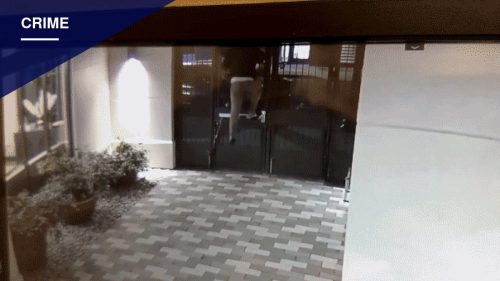
Nicholas Roske, a man from California, has decided to plead guilty to charges that he planned to kill Supreme Court Justice Brett Kavanaugh. Back in 2022, Roske was caught outside Justice Kavanaugh’s home with weapons and burglary tools. He confessed to detectives that he wanted to “give his life a purpose” by assassinating the Justice.
Roske’s attorneys informed U.S. District Court Judge Deborah Boardman of their client’s intention to plead guilty. In a letter reported by The Daily Signal, they suggested entering the new plea on Monday. Originally, Roske was scheduled to go on trial in June.
The motivation behind Roske’s alleged plan was reportedly linked to the Supreme Court’s potential decision to overturn Roe v. Wade. Additionally, he was said to have been influenced by the tragic Uvalde school shooting in Texas. However, Roske reconsidered his actions after noticing two deputy marshals outside Kavanaugh’s residence.
At the time of his arrest, Roske was allegedly carrying a dangerous assortment of items. These included a “tactical knife, a pistol with two magazines and ammunition, pepper spray, zip ties, and a hammer,” among other tools, as stated by the Justice Department. The question of whether his guilty plea will lead to a lighter sentence remains unanswered, but he could face a life sentence.
This development is a notable incident in the context of ongoing debates about the safety of public officials. The case has drawn attention from various conservative media outlets. Fox News and Newsmax have provided additional coverage, emphasizing the potential threats faced by those in positions of power.
There is a broader concern about the environment that allows such extreme actions to brew. The role of charged political rhetoric in influencing individuals like Roske is a topic of discussion. These incidents underscore the need for a closer examination of the societal factors contributing to these threats.
While the legal proceedings against Roske are progressing, the safety measures for Supreme Court Justices are likely to be scrutinized. The presence of deputy marshals at Kavanaugh’s home played a crucial role in preventing a possible tragedy. Their vigilance possibly saved Justice Kavanaugh’s life.
Roske’s case highlights the importance of security protocols for high-profile figures in our government. Ensuring the safety of public officials is vital for maintaining the stability of the judicial system. This incident serves as a reminder of the potential dangers they face.
The implications of this case extend beyond just the legal realm. It raises questions about how ideological divides can lead to radical actions. Understanding these dynamics is crucial for preventing similar occurrences in the future.
Public discourse around controversial issues like Roe v. Wade often fuels strong emotions. It’s essential to foster a political environment where disagreements do not escalate into violence. Finding ways to communicate and debate respectfully is more important than ever.
As the legal process unfolds, it will be interesting to see how the court handles Roske’s guilty plea. The outcome may influence how future cases of this nature are approached. It’s an opportunity to reflect on the intersection of law and personal conviction.
This incident serves as a stark reminder of the potential consequences of unchecked political passion. It can drive individuals to extreme actions that threaten the very foundations of our democracy. Addressing such threats is a pressing priority.
In the end, Roske’s case is a tragic example of how deeply personal beliefs can manifest in dangerous ways. It challenges us to consider how we can better manage ideological divisions. The lessons learned here should guide future discussions on political safety.
The legal and societal ramifications of Roske’s actions will likely be studied for years to come. The case underscores the need for a balanced approach to both political discourse and public safety. It’s a complex issue that demands thoughtful consideration from all sides.